
In decentralized finance (DeFi), stablecoin reliability hinges on the integrity of price oracles. When attackers exploit these oracles, they can distort critical price feeds, triggering systemic failures such as stablecoin depegs. This risk has become increasingly tangible, with recent high-profile exploits demonstrating how oracle manipulation can undermine both user trust and protocol solvency.
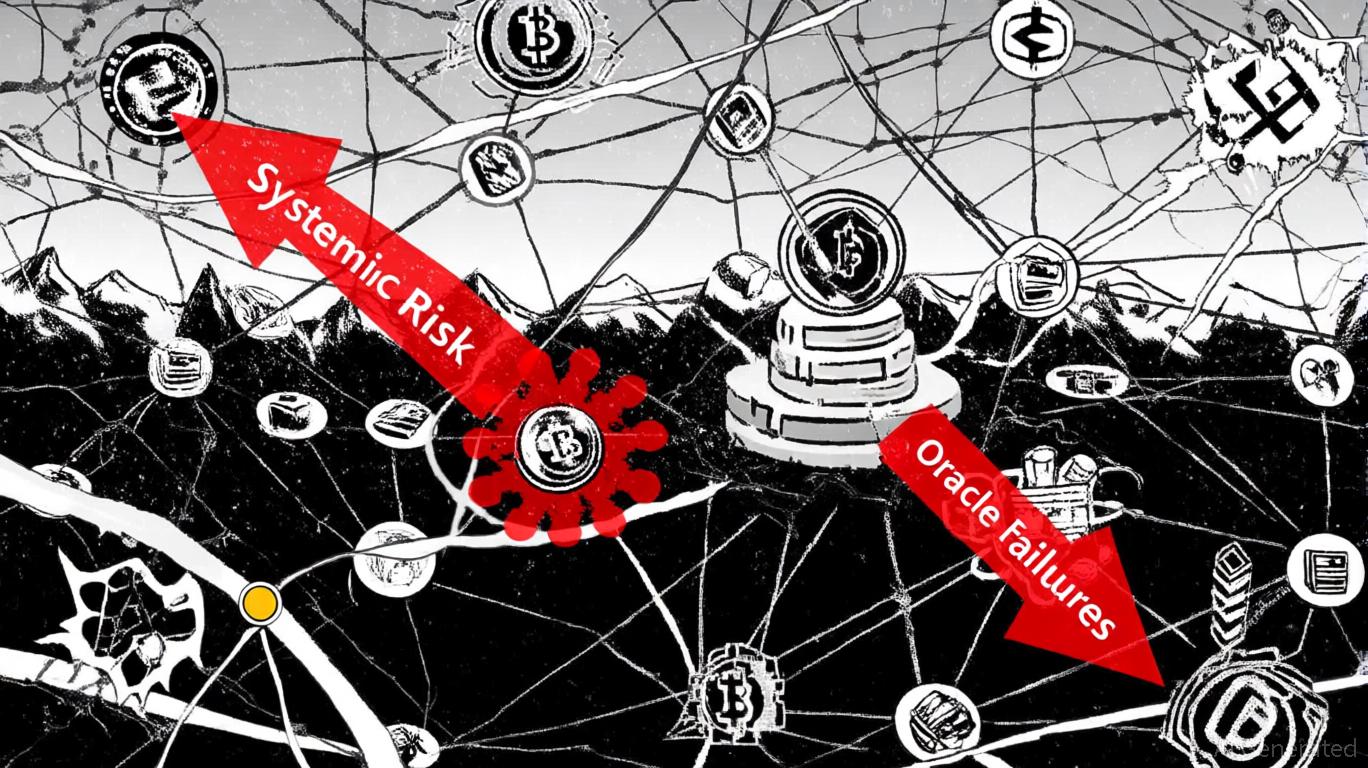
Why Oracles Are the Achilles’ Heel of Stablecoins
Oracles serve as the connective tissue between blockchains and real-world data, relaying asset prices to smart contracts that govern lending, trading, and collateralization. The challenge lies in their vulnerability: if an oracle delivers inaccurate or manipulated data, protocols may liquidate healthy positions or issue undercollateralized loans. For stablecoins, whose value must remain tightly pegged to assets like the US dollar, such disruptions can be catastrophic.
The infamous TerraUSD (UST) collapse is a textbook example. During its depeg event, UST traded at $0.20 on exchanges despite its intended $1.00 peg, a gap that oracles struggled to reconcile in real time. As a result, automated systems triggered mass liquidations and further destabilized the ecosystem.
Mechanics of Oracle Manipulation Attacks
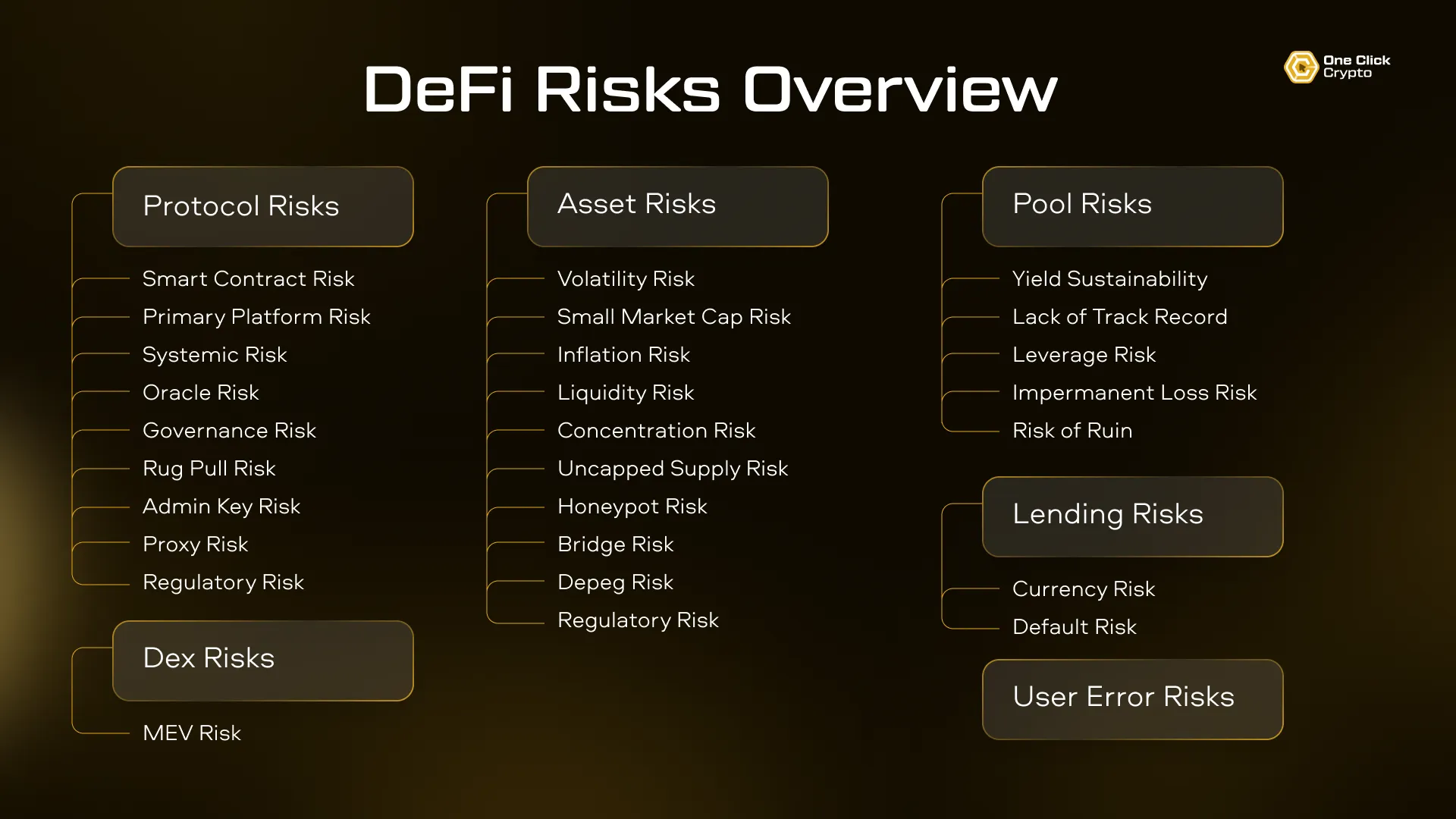
There are several primary vectors for oracle exploitation:
Key Oracle Manipulation Mechanisms in DeFi
- Data Source Manipulation: Attackers influence prices on low-liquidity exchanges used by oracles, causing smart contracts to act on false data. (Example: Manipulating a DEX price feed)

- Flash Loan Attacks: Exploit flash loans to temporarily inflate or deflate asset prices, manipulating oracle data within a single transaction. (Example: Flash loan price manipulation)

- Single Point of Failure Exploits: Target protocols relying on a single oracle or data provider, making it easier to feed incorrect prices. (Example: Single oracle vulnerability)
- Stale Price Exploitation: Take advantage of outdated price feeds by executing trades or liquidations before oracles update. (Example: Stale oracle price attack)

- Exchange Wash Trading: Artificially inflate trading volume or prices on thinly traded pairs to influence oracle-reported values. (Example: Wash trading on crypto exchanges)

1. Data Source Manipulation: Attackers target low-liquidity DEXs or unreliable data sources used by oracles. By executing large trades or wash trades, they artificially move asset prices on these venues. If the oracle aggregates from these sources without robust filtering, it relays skewed prices directly into DeFi protocols.
2. Flash Loan Exploits: Flash loans allow users to borrow massive sums without collateral for a single transaction cycle. Attackers use flash loans to momentarily inflate or deflate prices on specific markets feeding into an oracle. Once the manipulated price is reflected in the protocol’s logic, such as adjusting collateral ratios, they unwind their trade and profit from the arbitrage opportunity.
Case Study: Venus Protocol (February 2025): An attacker used a $4 million flash loan to manipulate Mountain Protocol’s wrapped yield-bearing stablecoin (wUSDM). By inflating its internal exchange rate from $1.06 to $1.70 within a single block, they extracted around $200,000 in profit while causing Venus Protocol losses over $716,000.
The Domino Effect: How Oracle Exploits Trigger Stablecoin Depegs
The core danger lies in feedback loops created by manipulated data:
- Peg Instability: When an oracle reports false prices for collateral backing a stablecoin, protocols may incorrectly assess solvency and trigger unnecessary liquidations or minting events.
- Cascading Liquidations: If liquidations occur at manipulated price levels (e. g. , wUSDM spiking from $1.06 to $1.70), healthy borrowers are wiped out while attackers siphon value.
- User Panic and Loss of Trust: Visible depegs, like UST dropping to $0.20: erode confidence across all interconnected protocols.
The result is often rapid contagion across DeFi platforms as automated systems respond blindly to corrupted data feeds.
Pervasive Impact Across DeFi Ecosystem
This isn’t just theoretical; major incidents such as Mango Markets’ $110M exploit and Deus Finance’s DEI depeg ($3 million loss) underscore how widespread oracle vulnerabilities remain even among top-tier projects.
For deeper analysis on how oracles drive stablecoin stability, and how their failure modes propagate across protocols, see this resource.
Mitigating the risk of oracle manipulation is now a core focus for DeFi protocol architects and risk managers. The industry’s response has been multifaceted, blending technical safeguards, economic incentives, and insurance primitives to combat evolving attack vectors. No single solution is sufficient; defense requires layered strategies that address both the data sourcing and contract execution layers.
Strengthening Oracle Infrastructure: Best Practices
Protocols aiming to defend against oracle-based exploits must prioritize redundancy, timeliness, and transparency in their price feeds. Here are actionable steps being adopted by leading DeFi projects:
Top Strategies to Mitigate Oracle Manipulation in DeFi
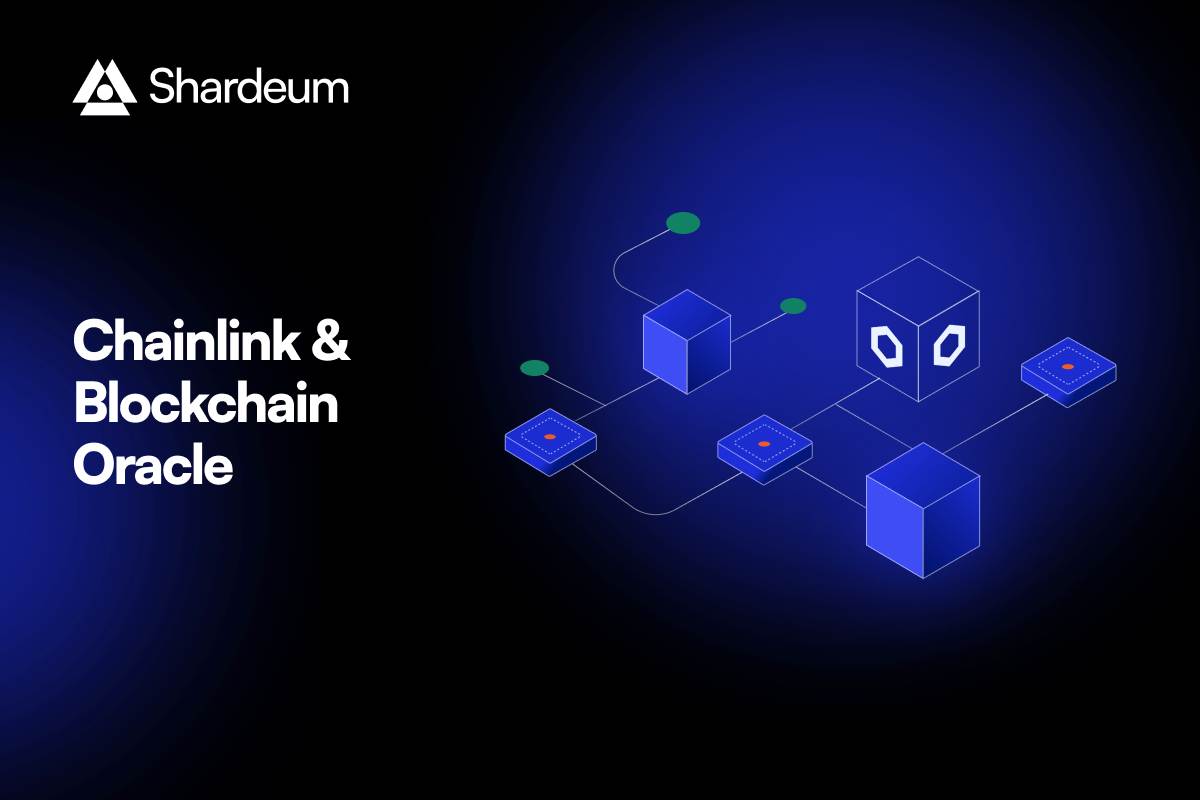
- Redundant Oracle NetworksLeverage multiple, independent oracle providers (e.g., Chainlink, UMA, Tellor) to cross-verify price feeds, reducing reliance on any single source and minimizing systemic risk.
- Staleness Detection MechanismsDeploy automated checks that flag and reject outdated or unresponsive price data, ensuring smart contracts only act on timely, accurate information.
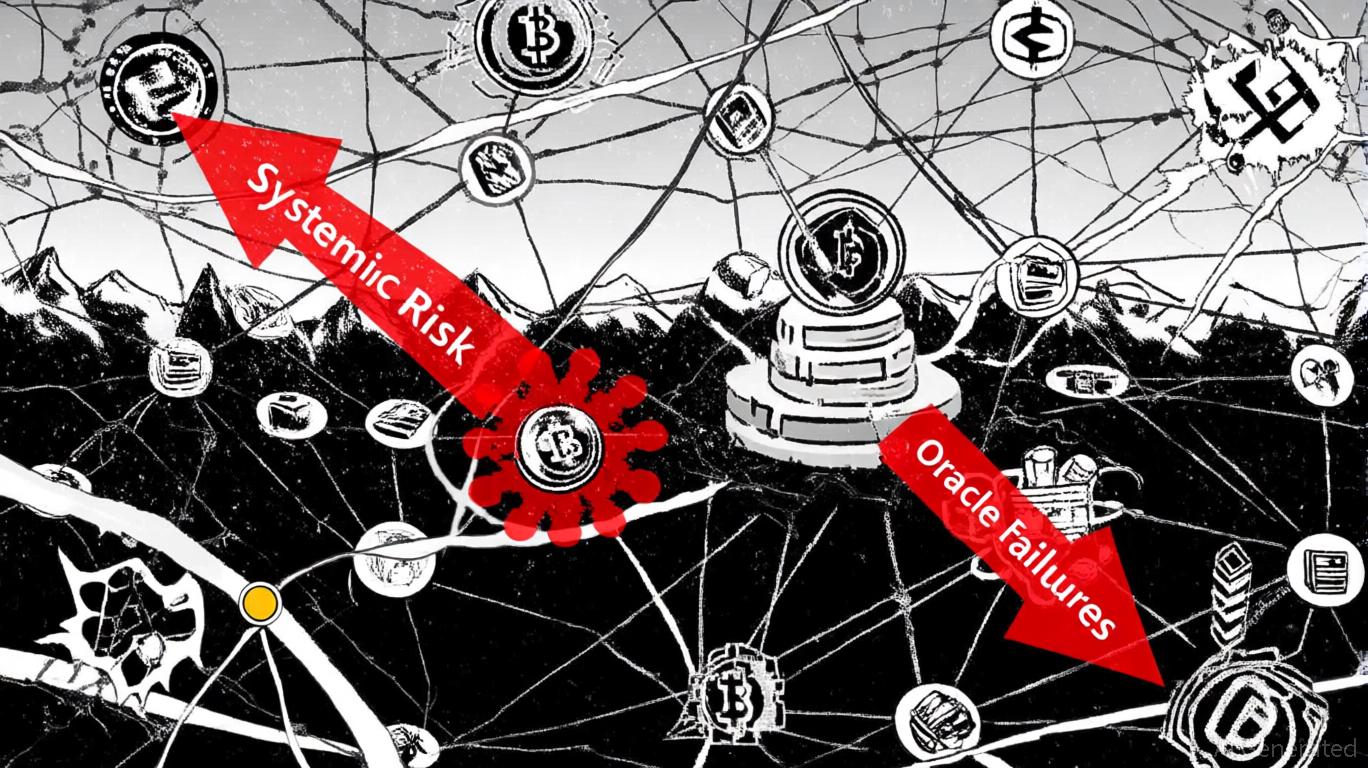
- Dynamic Collateralization ModelsAdopt protocols that adjust collateral requirements in real time based on market volatility and oracle reliability, such as those used by Aave and MakerDAO.
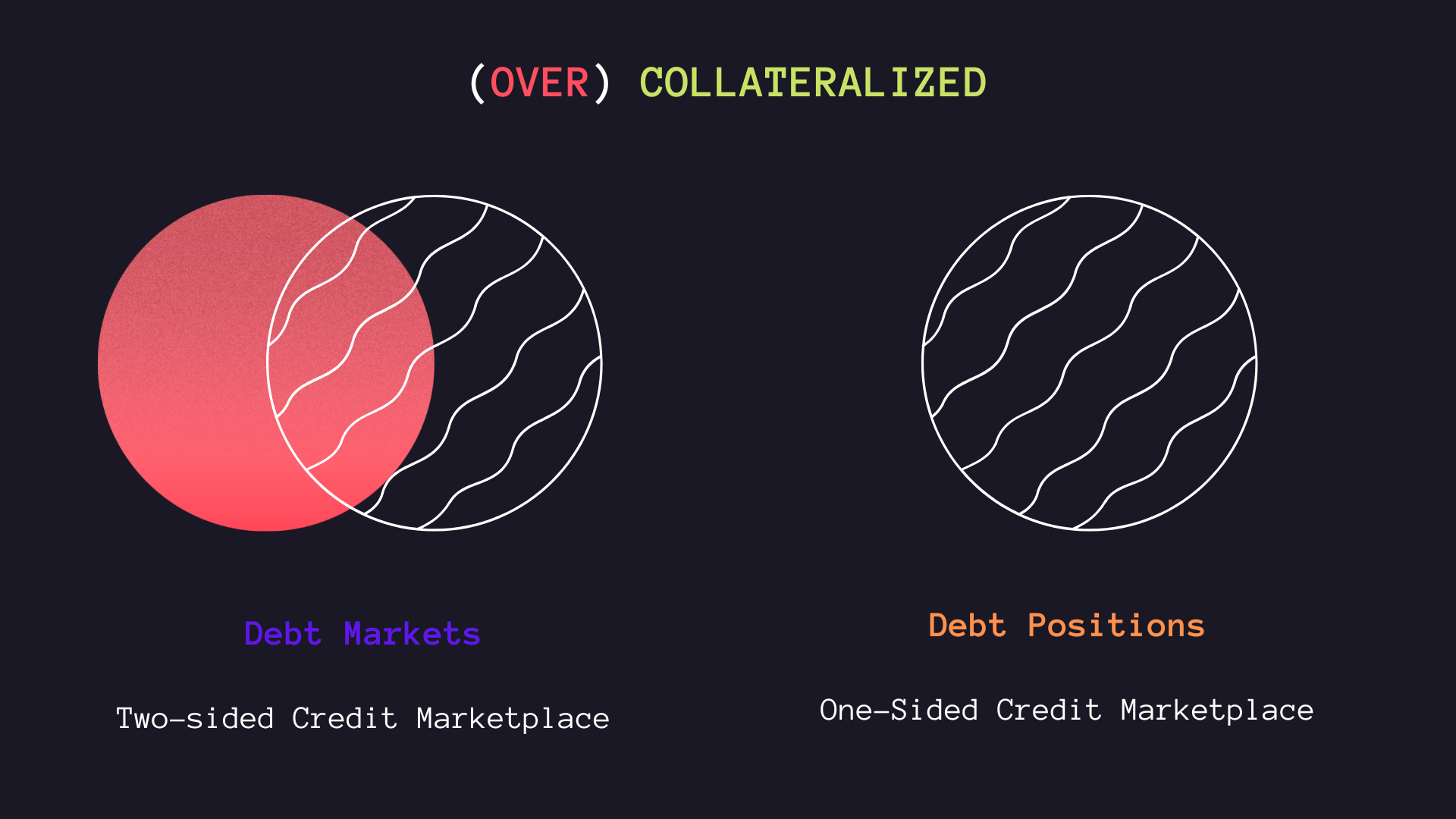
- Emergency Shutdown ProceduresIntegrate protocol-level emergency shutdowns (as implemented by MakerDAO) to halt operations and protect user funds during severe oracle disruptions.
- DeFi Insurance SolutionsUtilize established insurance protocols like Nexus Mutual and InsurAce to cover losses from oracle failures and unexpected liquidations, enhancing user protection.
Redundant Oracle Networks: Relying on multiple independent oracles, such as Chainlink, Tellor, and custom aggregators, enables cross-verification of price data. This reduces the probability that a single manipulated source can trigger protocol-wide liquidations or depegs.
Staleness Detection and Circuit Breakers: Automated checks flag outdated or anomalous price updates. When triggered, these mechanisms can pause protocol operations or revert to safe modes until valid data resumes. This approach proved critical during sudden market crashes when some oracles lagged behind real prices by several minutes.
Dynamic Collateralization Models: Protocols are increasingly adopting real-time collateral adjustments based on volatility metrics and oracle reliability scores. If feed anomalies are detected, collateral requirements can be temporarily increased to cushion against mispriced liquidations.
Emergency Shutdown Procedures: Built-in kill switches allow governance or automated logic to halt protocol functions in response to severe oracle disruptions. While controversial due to decentralization trade-offs, these measures have prevented broader contagion during recent exploits.
DeFi Insurance: Proactive Risk Management
No technical stack is infallible. As such, DeFi insurance protocols have emerged as a vital backstop against losses from smart contract exploits and stablecoin depegs resulting from oracle failures. These insurance solutions typically cover specific triggers such as unexpected liquidations or peg deviations caused by corrupted price feeds.
The growing adoption of insurance underscores a shift in user expectations: risk-aware investors now demand not just yield but also robust protection mechanisms for their capital. Coverage options vary widely across protocols, some offer blanket exploit protection while others target stablecoin-specific risks linked directly to oracle vulnerabilities.
Looking Ahead: The Ongoing Arms Race
The sophistication of oracle manipulation attacks will only increase as capital flows into DeFi intensify. Protocols must treat secure data feeds as mission-critical infrastructure rather than an afterthought. Expect continued innovation around decentralized oracle networks, cryptographic proofs of data integrity, and automated anomaly response systems.
The bottom line: while smart contract exploits fueled by manipulated oracles remain a persistent threat, proactive risk management, combining technical hardening with targeted insurance, can materially reduce systemic vulnerabilities in decentralized finance.




No comments yet. Be the first to share your thoughts!