DeFi yield farming 2026 landscape
The era of speculative liquidity mining has largely ended. In 2026, DeFi yield farming is shifting from high-risk token emissions to sustainable, institutional-grade returns driven by Real World Assets (RWA) and AI infrastructure. The landscape is no longer defined by volatile meme coins but by predictable cash flows from private credit and tokenized treasuries.
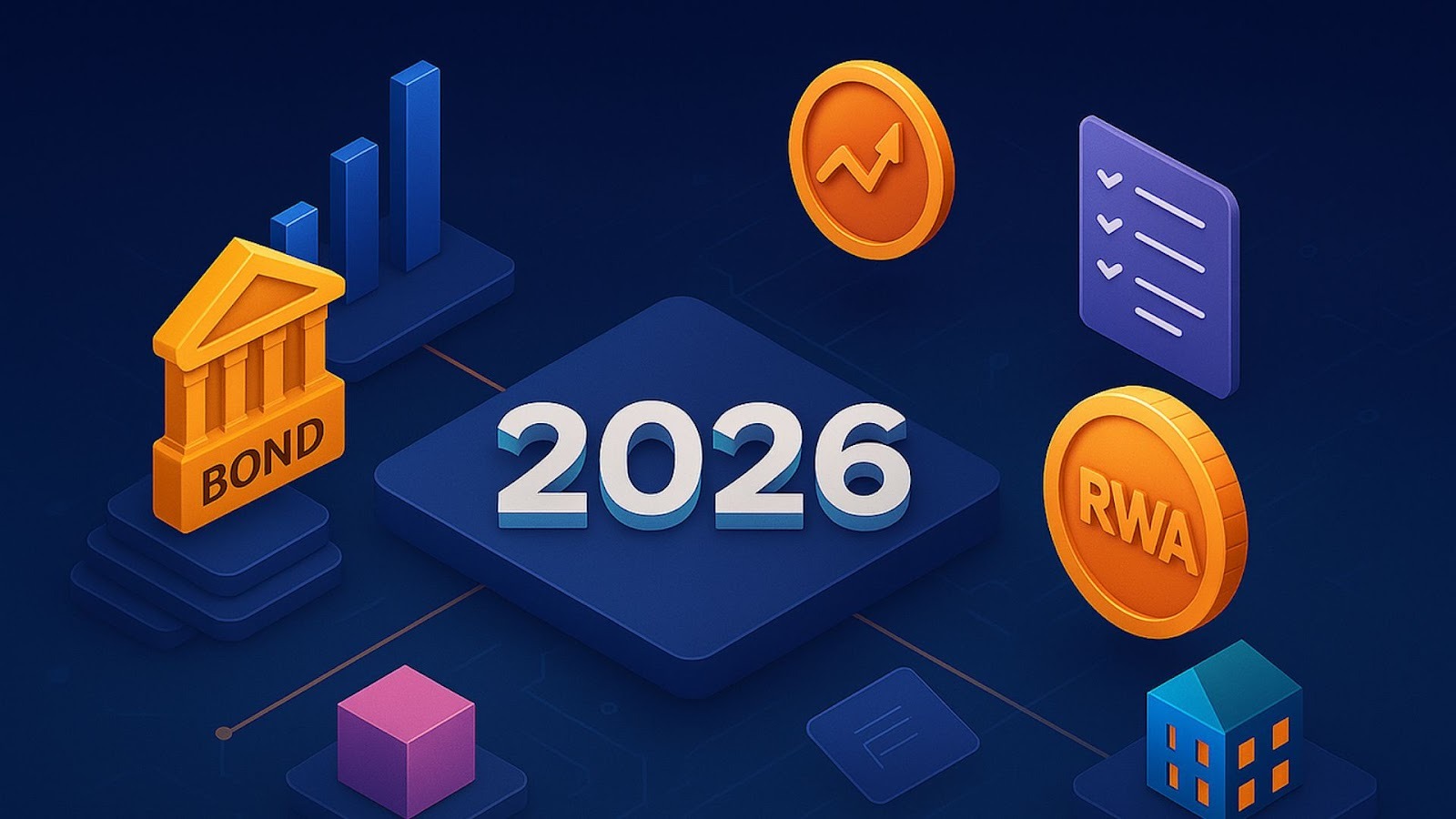
This transition has created a toolkit for generating consistent income with lower volatility. Conservative strategies now offer double-digit yields backed by real-world collateral. For example, Goldfinch provides 10% to 17% APY for emerging market lending, while Credix offers 12% to 18% APY for accredited investors in LatAm credit. These figures are not speculative promises but documented returns from platforms with established track records.
The focus has moved from "yield farming" to "yield management." Investors are no longer chasing temporary incentives but are allocating capital to protocols that generate organic revenue. This shift ensures that yields are sustainable even when token prices stabilize. The five strategies outlined below reflect this new reality, combining the reliability of stablecoins with the growth potential of AI and tokenized assets.
5 DeFi Yield Strategies for 2026: RWA, AI, and Stablecoin Plays
This analysis identifies five specific DeFi yield strategies for 2026, prioritizing documented performance over speculative narratives. We evaluate concrete protocols such as Aave, Curve, and Goldfinch against historical data to assess risk-adjusted returns in the RWA, AI, and stablecoin sectors.
-
On-chain private credit and RWA
Goldfinch allows capital to flow directly into real-world business loans, bypassing traditional banks. By backing loans with crypto collateral, the protocol offers yields historically ranging from 8% to 12% depending on risk tranches. This strategy ties DeFi returns to tangible economic activity, reducing correlation with volatile crypto markets. Investors must carefully assess the underwriting standards of specific loan pools to mitigate default risks inherent in private credit structures. -

Blue-chip lending protocols
Aave remains the dominant force in decentralized lending, offering stable yields through its V3 architecture. Users deposit assets like USDC or ETH to earn interest generated by borrowers. Historical data shows consistent, albeit lower, returns compared to riskier strategies, often hovering between 3% and 6% for stablecoins. This approach prioritizes capital preservation and liquidity, making it suitable for conservative portfolios seeking predictable income streams within the DeFi ecosystem. -
Stablecoin liquidity pools
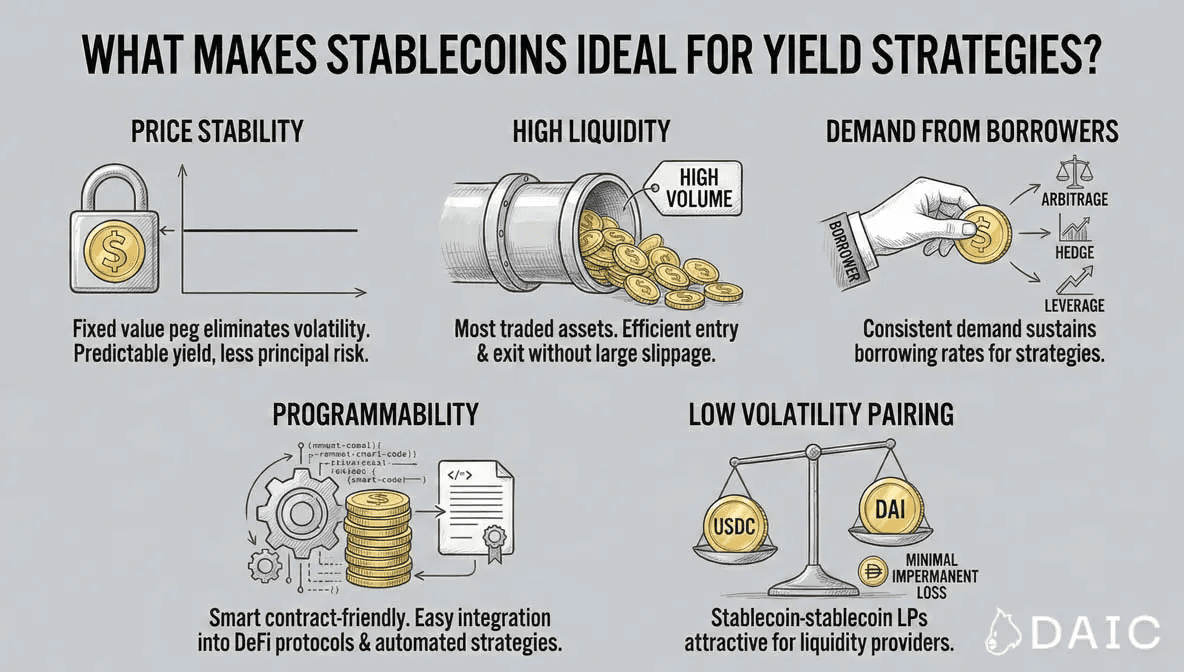
Curve Finance specializes in stablecoin swaps, providing deep liquidity for pairs like USDC/DAI. Liquidity providers earn trading fees and potential token incentives, with yields varying based on pool composition and market conditions. In stable environments, these pools can offer 4% to 8% annualized returns. The primary risk involves impermanent loss, though it is minimal for pegged assets. This strategy requires active monitoring to ensure capital efficiency remains optimal. -
Delta-neutral basis trades
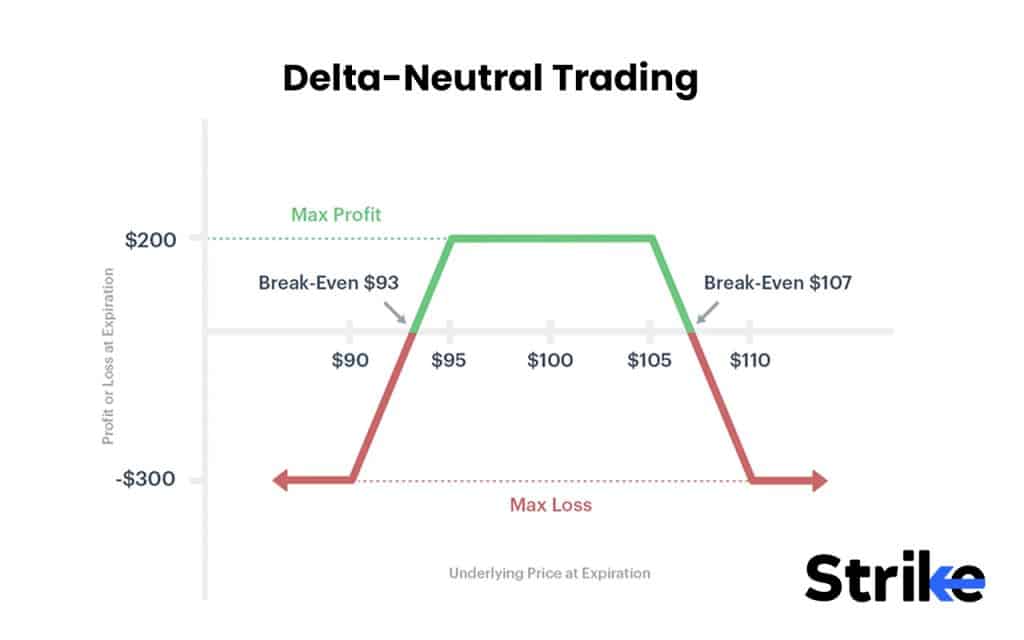
Delta-neutral strategies involve holding spot assets while shorting futures to capture funding rate differentials. This approach isolates yield from price volatility, focusing on the spread between spot and perpetual futures prices. Platforms like dYdX facilitate these trades, offering yields that can exceed 15% during high volatility periods. However, execution complexity and smart contract risks require sophisticated technical knowledge and continuous position management to maintain neutrality. -
Curated yield vaults
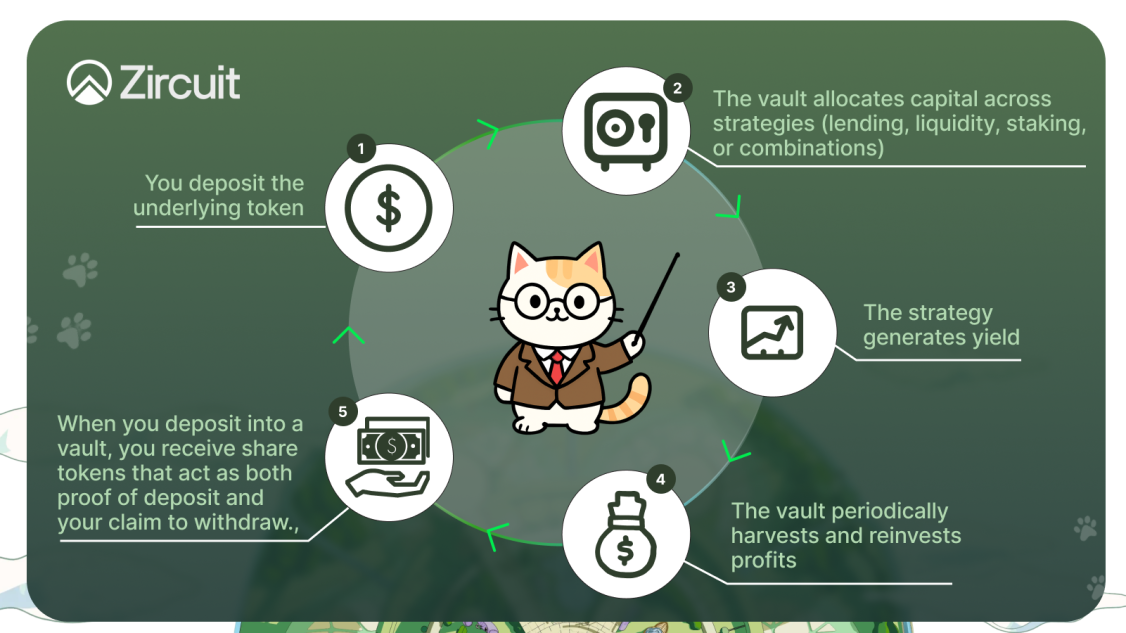
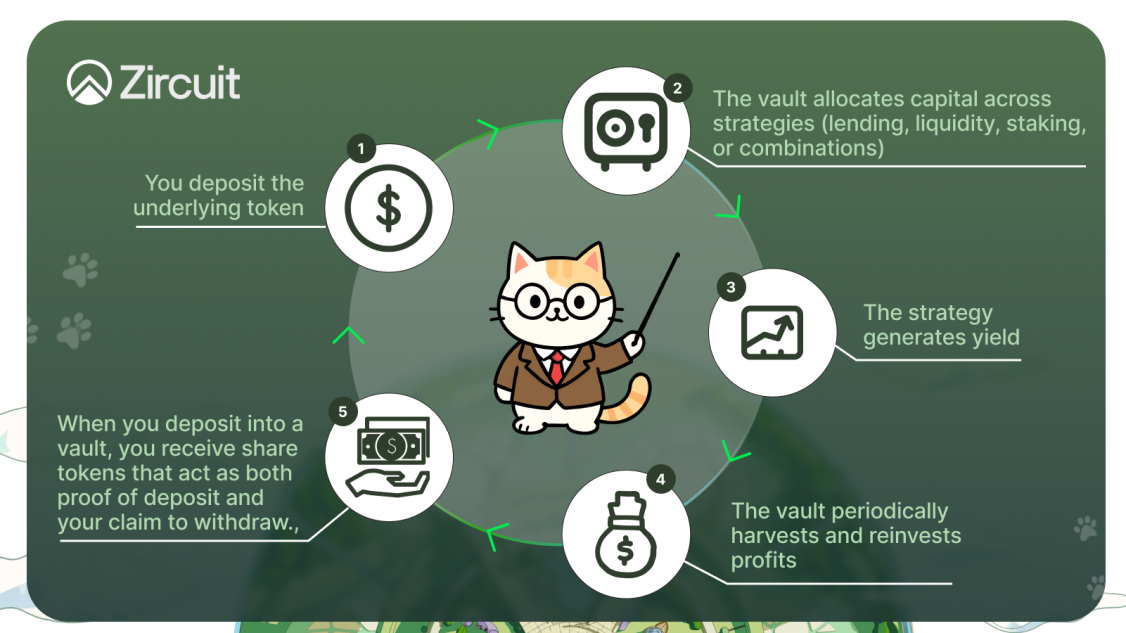
Yearn Finance automates yield optimization by moving assets between various DeFi protocols to maximize returns. Users deposit tokens into vaults, which are managed by algorithms seeking the best risk-adjusted yields. Historical performance varies, with some vaults delivering 5% to 10% annually. This hands-off approach simplifies yield farming but introduces smart contract risk and potential strategy decay. Investors should review historical APY trends and underlying protocol exposures before depositing.
Defi yield farming 2026: what to check next
Stablecoin liquidity provision remains the most consistent strategy, leveraging high demand in DeFi trading and lending to generate predictable returns. While yield farming can still produce passive income, it is not risk-free and requires careful selection of protocols.
For those seeking higher yields, on-chain private credit platforms offer distinct advantages. Credix currently provides 12% to 18% APY for accredited investors in LatAm credit, while Goldfinch offers 10% to 17% APY for emerging market lending exposure. Maple Finance and Huma also present competitive rates for institutional corporate credit.



As an Amazon Associate, we may earn from qualifying purchases.
No comments yet. Be the first to share your thoughts!