On April 1,2026, Drift Protocol, a cornerstone decentralized exchange on Solana, suffered a devastating $285 million exploit that redefined DeFi vulnerabilities. This incident, the largest crypto hack of the year, bypassed code flaws entirely, leveraging Solana's durable nonce feature through cunning social engineering to seize control of the protocol's 2-of-5 multisig Security Council. No timelock safeguards meant rapid governance takeover, draining user funds in a meticulously pre-signed transaction blitz.
With DRIFT trading at $0.0463, up 0.1574% over the past 24 hours, the market's resilience masks deeper systemic risks. Attackers, potentially DPRK-linked based on laundering patterns, didn't crack smart contracts; they outmaneuvered humans. Pre-signed approvals, a legitimate Solana tool for offline signing, turned weaponized when social engineers duped key signers into endorsing malicious transactions.
Social Engineering's Real-World Intrusion: From Digital to IRL Meets
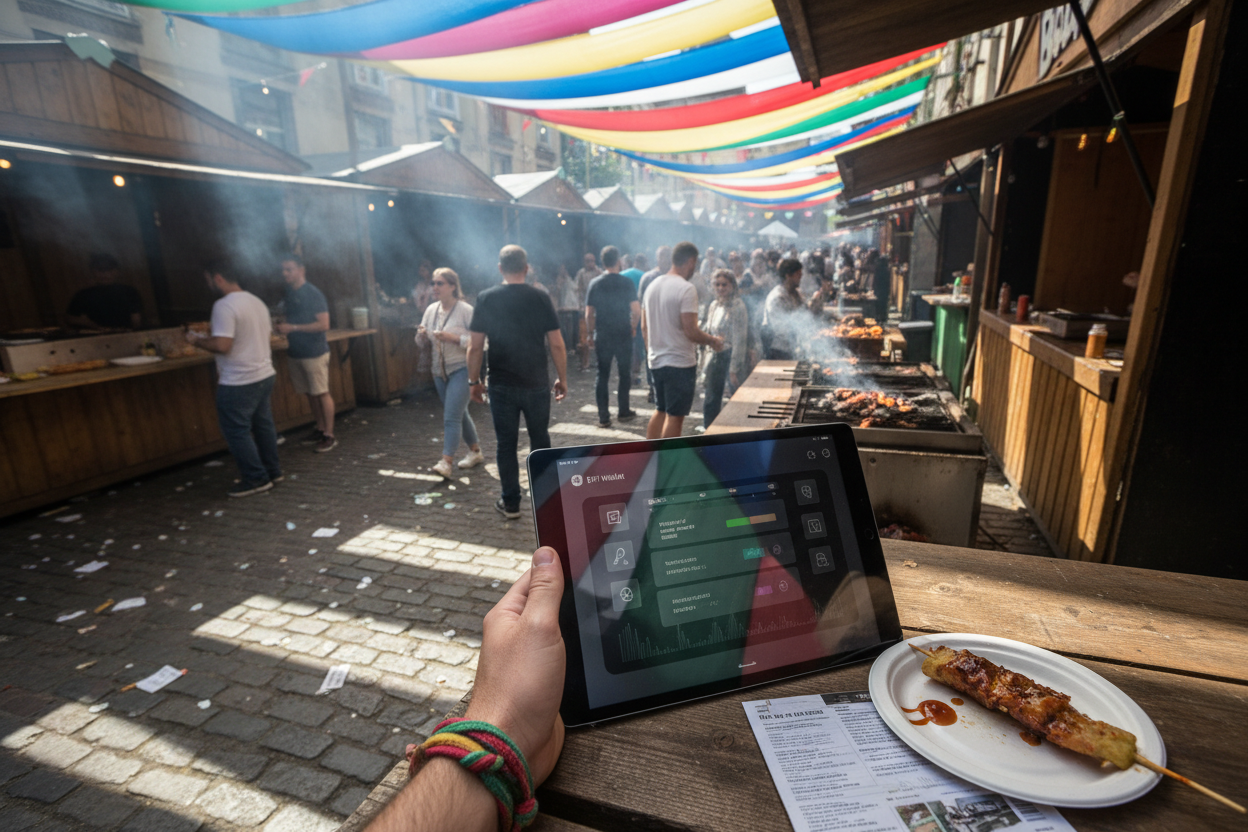
The DeFi social engineering exploit at Drift exposed a chilling evolution in attack vectors. Reports suggest attackers orchestrated in-real-life (IRL) meets, posing as trusted collaborators or auditors to extract signer credentials. One signer, lured to a fabricated conference in a neutral hub like Dubai, unwittingly approved durable nonces during a "security demo. " This offline deception fed on-chain malice, allowing attackers to replay signatures for admin privileges.
Drift didn't fall to buggy code; it crumbled under human trust exploited at physical touchpoints.
Such tactics amplify multisig security failures in DeFi. A 2-of-5 setup assumes collusion resistance, yet without biometric verification or geographic dispersal mandates, IRL cons thrive. Attackers likely cross-referenced public doxxing from governance forums, Discord logs, and conference badges to target isolated signers. The absence of timelocks-typically 24-48 hours for multisig actions-let thieves execute before detection.

Post-mortems reveal the Security Council lacked policy-enforced signer diversity; multiple members overlapped in social circles, easing phishing-to-IRL pivots. This breach echoes past incidents like the 2022 Ronin multisig compromise, but Drift's scale demands reckoning.
Durable Nonces: Legitimate Tool, Lethal in Wrong Hands
Solana's durable nonces enable transaction queuing without constant online presence, ideal for multisig ops in volatile markets. Transactions get a unique nonce account, signable offline and durable until used or revoked. Attackers abused this by forging signer sessions, pre-approving governance calls to upgrade admin keys and siphon liquidity pools.
Funds flowed to mixers, then DPRK wallets, per on-chain sleuths. Drift suspended deposits-withdrawals promptly, but $285 million vanished: USDC, SOL, and perpetual futures collateral. No smart contract bug; pure operational lapse. Governance takeover let attackers mint admin tokens, pause safety checks, and drain vaults unchecked.
- Pre-signed txs bypassed real-time monitoring.
- Multisig threshold hit via coerced approvals.
- No revocation mechanism for compromised nonces.
This Drift Protocol multisig vulnerability spotlights a blind spot: tech alone falters against social vectors. Protocols must layer hardware security modules (HSMs), signer rotations, and AI anomaly detection on multisigs.
Multisig Myths Shattered: Why DeFi Needs Policy Over Tech Alone
DeFi evangelists tout multisig as ironclad, yet Drift proves otherwise. A 2-of-5 without timelocks or signer attestations invites disaster. Social engineers thrive on incomplete threat models, ignoring off-chain risks like IRL meets at hacker cons or coerced family pressures.
Consider the signer profile: Often pseudonymous devs attending the same Solana Breakpoints. Public key-party photos become recon goldmines. Attackers scripted a multi-month op: Discord grooming, fake bounties, culminating in physical key extractions.
Drift Protocol (DRIFT) Price Prediction 2027-2032
Post-$285M Hack Recovery Outlook: Short-term bearish to $0.03, rebound to $0.10 by end-2026
| Year | Minimum Price | Average Price | Maximum Price | YoY Change % (Avg from 2026 baseline of $0.06) |
|---|---|---|---|---|
| 2027 | $0.030 | $0.100 | $0.200 | +67% |
| 2028 | $0.050 | $0.160 | $0.350 | +60% |
| 2029 | $0.080 | $0.280 | $0.600 | +75% |
| 2030 | $0.120 | $0.450 | $1.00 | +61% |
| 2031 | $0.200 | $0.750 | $1.60 | +67% |
| 2032 | $0.300 | $1.20 | $2.50 | +60% |
Price Prediction Summary
Following the April 2026 $285M hack via social engineering and durable nonce exploit, DRIFT experienced a sharp decline to around $0.03. With insurance reforms, enhanced multisig security (e.g., timelocks), and Solana DeFi recovery, prices are projected to rebound to $0.10 by end-2026. Long-term bullish outlook sees average prices climbing to $1.20 by 2032, contingent on market cycles, adoption, and regulatory tailwinds, with min/max reflecting bearish/bullish scenarios.
Key Factors Affecting Drift Protocol Price
- Security reforms post-hack: multisig timelocks, insurance funds, and governance hardening
- Solana ecosystem expansion and Drift's TVL recovery as leading perps DEX
- DeFi adoption trends in perpetual futures trading amid bull market cycles
- Regulatory developments favoring compliant Solana DeFi protocols
- Macro crypto influences: BTC/ETH halvings, institutional inflows
- Competition dynamics with platforms like GMX, Hyperliquid, and dYdX
Disclaimer: Cryptocurrency price predictions are speculative and based on current market analysis. Actual prices may vary significantly due to market volatility, regulatory changes, and other factors. Always do your own research before making investment decisions.
Current $0.0463 price belies volatility; 24-hour low hit $0.0320 amid panic sells. Recovery hinges on transparent audits and multisig overhauls. For users, this screams DeFi insurance for social engineering coverage: Traditional smart contract policies exclude human hacks, leaving billions exposed.
Drift's saga forces a pivot: Embed ops-sec in tokenomics. Mandate timelocks, randomized signers via ZK proofs, and insurance backstops. Without, every protocol courts its own $285 million apocalypse.
Users holding DRIFT at $0.0463 face not just price dips-24-hour low of $0.0320-but eroded trust in Solana's DeFi ecosystem. Protocols must evolve beyond code audits to holistic defense, where insurance bridges the gap left by human frailties.
Attack Timeline: A Month-Long Social Engineering Symphony
The operation unfolded with precision. Attackers seeded Discord with fake bounties, grooming signers over weeks. A sham conference in Dubai served as the pivot: One council member demoed multisig approvals on-site, feeding nonces to waiting wallets. By April 1, pre-signed transactions flipped admin controls, minting privileges to empty vaults. On-chain flows hit mixers within hours, evading early alerts.
This Drift Protocol hack 2026 chronology reveals patience as the ultimate weapon. No zero-days, just psychological jujitsu. DeFi teams now scramble for signer anonymity mandates and geo-fencing, but retrofits can't unsteal $285 million.
User Armor: Beyond Self-Custody Myths
Retail DeFi users, don't sleep on this. Your positions in Drift-like protocols hinge on unseen multisigs. A multisig security failures DeFi event cascades: Liquidity dries, perps unwind, collateral vaporizes. Diversify across chains, but layer insurance-first. Standard policies cover smart contract exploits; Drift demands extensions for governance hijacks and social vectors.
At Defi Coverage, we spotlight providers evolving coverage: Nexus Mutual's parametric triggers for admin takeovers, InsurAce's social engineering riders. These aren't bandaids-they quantify tail risks, capping losses at protocol scale. With DRIFT's 24-hour gain of $0.006290 to $0.0463, sentiment flickers, yet uninsured exposure looms large.
Strategic users self-hedge: Stake in insured pools only, monitor signer diversity via dashboards, rotate personal multisigs quarterly. But protocols owe more-timelocked upgrades, HSM-enforced signing, ZK-signer proofs. Drift's rebound to $0.0463 high signals hope, but without reforms, it's fool's gold.
Insurance as DeFi's New Standard: Covering the Uncodable
DeFi insurance social engineering coverage isn't optional; it's oxygen. Traditional carriers balk at human hacks, classifying them 'operational risk. ' Yet Drift proves code invincibility is illusion. Pioneers like Cover Protocol now bundle multisig safeguards, paying claims if 2-of-N thresholds breach via nonces or phishing.
Compare: A $285 million loss dwarfs user claims, but pooled insurance amortizes pain. Premiums hover 1-2% APY for high-risk perps; worth it when one IRL con resets your portfolio. Developers, bake in coverage oracles-Chainlink feeds triggering payouts on governance anomalies.
Forward-thinking portfolios allocate 5-10% to coverage. As DRIFT stabilizes near $0.0463, audit your exposures. Solana's speed entices, but speed without security breeds spectacles like this. Protocols that prioritize smart contract exploit insurance Drift style-plus human factors-will dominate. Users who anticipate follow suit.
The Drift breach reshapes DeFi's frontier: Social engineers lurk at conferences and DMs alike. Arm with policy, tech, and insurance. Adapt now, or watch your $0.0463 stack evaporate in tomorrow's nonce nightmare.


No comments yet. Be the first to share your thoughts!