Market Growth in 2026
The real-world asset (RWA) tokenization market has moved past the experimental phase and established itself as a significant segment of institutional finance. By early 2026, the total value of tokenized RWAs surpassed $24 billion, according to data from RWA.xyz, reflecting a staggering 266% growth rate throughout 2025. This rapid expansion signals that major financial institutions are no longer testing the waters but are actively integrating blockchain infrastructure into their core operations.
Other industry reports paint an even broader picture of this scale. The Canton Network’s 2026 State of RWA Tokenization report indicates that the total on-chain value of tokenized assets exceeded $36 billion in 2025, marking a critical inflection point for the sector. These figures demonstrate that RWA tokenization is not a niche experiment but a serious, scalable movement reshaping how traditional assets are traded and managed.
This growth is driven by the demand for greater liquidity and transparency in traditionally illiquid markets. As institutional players recognize the efficiency gains of on-chain settlement, the infrastructure supporting these platforms continues to mature, setting the stage for further adoption in the coming years.
Regulatory shifts enabling adoption
The path to institutional real-world asset tokenization cleared significantly in early 2026. What was once a speculative frontier has been grounded by concrete regulatory frameworks in the United States and the European Union. These changes did not just offer permission; they established the legal certainty required for large-scale capital deployment.
The International Monetary Fund recently highlighted tokenization as a critical mechanism for modernizing financial infrastructure. Their endorsement signaled that global regulators were ready to move beyond pilot programs to structured integration. This shift provided the credibility institutions needed to justify the compliance overhead of blockchain-based asset management.
In the United States, three major regulatory developments in the first quarter of 2026 materially advanced the framework for institutional tokenization. These updates clarified the roles of securities regulators and banking authorities, reducing the ambiguity that previously stalled large-scale adoption. Platforms could now build products with clear compliance boundaries rather than operating in a gray zone.
Simultaneously, the European Union’s Markets in Crypto-Assets (MiCA) regulation began its full enforcement phase. This provided a standardized passport for tokenized assets across member states, allowing platforms to scale across borders without negotiating individual national laws. The combination of US clarity and EU standardization created a viable global market for institutional-grade tokenized products.
Top RWA platforms for 2026
The shift from pilot programs to production-scale tokenization accelerated in 2026, led by the largest asset managers in traditional finance. Institutional DeFi is no longer about speculation; it is about infrastructure. The platforms that survive this year are those that offer institutional-grade compliance, deep liquidity, and clear regulatory frameworks. Below are the most reliable tools for tokenizing real-world assets, from real estate to treasury bills.
| Platform | Primary Asset | Regulatory Focus |
|---|---|---|
| Securitize | Equities & Funds | SEC (US) & MiCA (EU) |
| Ondo Finance | US Treasuries | SEC Registered Products |
| Centrifuge | Real Estate & Invoice | Global DeFi Standards |
Securitize remains the gold standard for issuing tokenized securities. With a robust infrastructure that supports both Ethereum and Polygon, Securitize handles the complex legal wrappers required for institutional investors. It is the go-to platform for asset managers looking to tokenize funds, private equity, and real estate with full regulatory compliance.
Ondo Finance has carved out a dominant niche in tokenized U.S. Treasuries. By bringing short-term government debt on-chain, Ondo provides a yield-bearing asset that is both liquid and regulated. Their products are designed for institutions seeking a safe harbor in volatile markets, offering a direct bridge between traditional finance and DeFi liquidity.
Centrifuge focuses on the broader spectrum of real-world assets, particularly real estate and invoice financing. Unlike platforms that only handle financial instruments, Centrifuge allows for the tokenization of physical assets and receivables. This makes it an ideal choice for businesses looking to unlock capital from their balance sheets without relying on traditional banking channels.
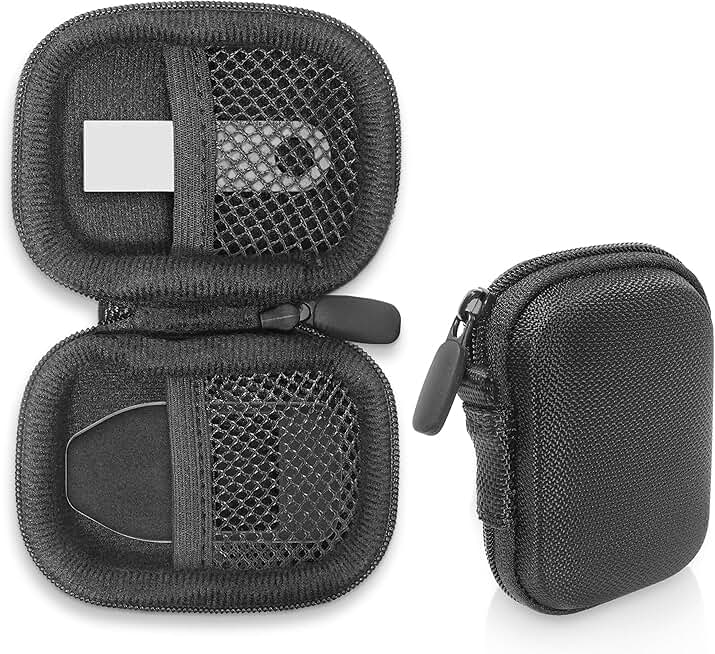
For those looking to secure their tokenized assets, proper storage is non-negotiable. Institutional investors and serious participants should prioritize hardware solutions that support multiple chains and offer robust security features.

As an Amazon Associate, we may earn from qualifying purchases.
Community sentiment on RWA
The shift from pilot programs to production-scale tokenization has moved real-world asset (RWA) tokenization from abstract theory to tangible product discussions among crypto wallet users. As MetaMask noted in 2026, the largest asset managers in traditional finance are now leading this charge, creating a tangible bridge between legacy finance and decentralized platforms.
"The rise of asset tokenization is a leading trend entering 2026. Experimentation in tokenization has been ongoing, but 2026 marks the inflection point where digital assets meet real-world utility on a mass scale."
— The World Economic Forum
Retail and prosumer investors are closely watching this transition. While enthusiasm is high due to the potential for fractional ownership and 24/7 liquidity, caution remains prevalent. Community discussions frequently highlight the importance of regulatory clarity, with many users noting that three major US regulatory developments in early 2026 have materially advanced the framework for institutional tokenization. This blend of excitement and scrutiny defines the current landscape. Investors are looking for concrete products and platforms that can deliver on the promise of tokenized assets without compromising on security or compliance.
Frequently Asked Questions About RWA Tokenization
Is tokenization safe for institutional investors? Regulatory clarity has improved significantly in 2026. Recent developments from US regulators have established a more defined framework for institutional participation, reducing the legal ambiguity that previously hindered large-scale adoption. Platforms now prioritize compliance with existing securities laws to ensure investor protection.
How liquid are tokenized real-world assets? Liquidity varies by asset class but has expanded rapidly. The total value of tokenized RWAs surpassed $24 billion by early 2026, driven by a 266% growth rate in 2025. While secondary markets are still maturing, major platforms are integrating with traditional exchanges to facilitate smoother trading of tokenized treasuries and real estate.
What is the minimum investment required? Tokenization lowers entry barriers by allowing fractional ownership. Unlike traditional private equity or real estate deals that often require six-figure commitments, tokenized assets can frequently be purchased with much smaller amounts, making institutional-grade investments accessible to a broader range of qualified investors.
No comments yet. Be the first to share your thoughts!