The 2026 regulatory baseline
The landscape of decentralized finance has shifted from ambiguous guidance to structured enforcement. By 2026, initial uncertainty has been replaced by defined frameworks, particularly in the European Union and the United States. This transition marks a pivotal move from theoretical debate to practical compliance and oversight.
A key indicator of this maturation is the scale of capital deployed within the ecosystem. According to data from the Congressional Research Service, the total value locked in DeFi protocols stood at approximately $98 billion as of March 2026. This figure underscores the significant economic stake involved, prompting regulators to prioritize clarity and stability over reactive measures.
The focus has turned to integrating these digital assets into the broader financial system through mechanisms like Real World Asset (RWA) tokenization. Regulatory bodies are now concentrating on how existing financial instruments can be represented on-chain, ensuring that the benefits of decentralization do not come at the cost of investor protection or market integrity. This approach reflects a broader trend toward harmonizing traditional financial standards with emerging blockchain technologies.
MiCA implementation in Europe
The Markets in Crypto-Assets (MiCA) regulation is transitioning from legislative framework to operational reality across the European Union. For DeFi protocols and stablecoin issuers, this shift introduces rigid structural constraints designed to mitigate systemic risk and protect retail participants. The regulation does not merely categorize assets; it imposes specific operational ceilings and transparency mandates that fundamentally alter how these entities function within the EU jurisdiction.
Stablecoin Transaction Limits
A central pillar of MiCA’s approach to financial stability is the imposition of strict daily transaction limits on stablecoins. For issuers of asset-referenced tokens and e-money tokens, the regulation caps daily net issuance or redemption at €200 million. This hard ceiling is not a suggestion but a mandatory operational constraint intended to prevent the rapid, uncontrolled expansion of stablecoin supply that could destabilize the broader financial system.
This limit applies to the net flow of funds, meaning issuers must monitor and report cumulative daily transactions against this threshold. For DeFi protocols relying on stablecoins for liquidity, this cap introduces a new friction point. Large-scale arbitrage or mass redemption events must now be paced or segmented to comply with the daily cap, potentially impacting market efficiency and speed during periods of high volatility.
Transparency and Reserve Requirements
Beyond transaction caps, MiCA mandates rigorous transparency regarding the reserves backing stablecoins. Issuers must maintain reserves that are fully segregated from their own corporate assets. These reserves must consist of high-quality liquid assets, such as cash or government bonds, held in custodial accounts separate from the issuer’s operating funds. This segregation ensures that in the event of an issuer’s insolvency, the assets backing the stablecoin remain protected for token holders.
In addition, issuers are required to publish regular attestation reports from independent auditors. These reports must verify that the reserves match the outstanding token supply at all times. For DeFi protocols, this creates a compliance burden: integrating with stablecoins that lack this level of verifiable transparency may expose the protocol to regulatory scrutiny or exclusion from EU markets. The regulation effectively forces a choice between operational speed and regulatory compliance, favoring the latter for any entity wishing to operate legally within the bloc.
SEC enforcement and US policy
The US Securities and Exchange Commission (SEC) has maintained a consistent posture in 2026, applying existing securities laws to decentralized finance (DeFi) platforms without waiting for new legislation. This approach relies on the Howey Test to determine whether decentralized tokens constitute investment contracts, effectively bringing many DeFi protocols under federal securities jurisdiction.
This enforcement strategy prioritizes liability attribution. The SEC’s focus remains on identifying the central entities or individuals behind a protocol’s development and governance. As noted in regulatory analyses from Duke Law School, the current framework allows misconduct to be traced to identifiable entities, ensuring restitution for injured customers and subjecting repeat offenders to stricter penalties.
Regulation requires misconduct to be traceable to identifiable entities to ensure restitution for injured customers.— Duke Law School Regulatory Panel, 2026
This legal clarity has significant implications for DeFi developers and operators. Protocols that attempt to maintain complete decentralization while still issuing tokens face heightened scrutiny. The SEC continues to pursue actions against platforms that fail to register their securities offerings, regardless of their decentralized architecture. Industry observers, including insights from State Street, suggest that asset managers are adjusting their digital asset strategies to comply with these established enforcement precedents rather than waiting for legislative changes.
The result is a regulatory environment where compliance is non-negotiable. DeFi platforms operating in the US must navigate a landscape where securities laws are actively enforced through existing legal mechanisms, creating a high-stakes compliance burden for all market participants.
RWA tokenization trends
Real-world asset (RWA) tokenization has shifted from experimental pilot programs to a foundational pillar of compliant DeFi in 2026. By converting physical assets—such as real estate, treasury bills, and private credit—into on-chain tokens, the sector is bridging the liquidity gap between traditional finance and blockchain networks. This transition is not merely technological; it is a regulatory evolution. New frameworks like the EU’s MiCA provide the legal certainty required for institutional capital to enter the space, turning RWA into a primary vehicle for compliant digital asset management.
The growth trajectory is measurable. Total value locked (TVL) in RWA protocols has expanded significantly, driven by the demand for yield-bearing stablecoins backed by short-term government debt. Unlike speculative crypto assets, RWAs offer tangible collateral and predictable cash flows, aligning on-chain liquidity with off-chain economic reality. This alignment satisfies the primary concern of regulators: transparency and auditability. Every tokenized asset can be traced to its underlying legal structure, creating a compliance layer that was previously absent in decentralized finance.
As entire asset classes become tradable on-chain, the implications for global capital flows are profound. The World Economic Forum notes that 2026 marks an inflection point where digital assets reshape investment liquidity. For investors, this means access to previously illiquid markets with fractional ownership and 24/7 settlement. For regulators, it means a new frontier where digital compliance tools can enforce ownership restrictions and identity verification at the protocol level, ensuring that RWA tokenization remains within the bounds of financial law.
Community signals and expert views
The trajectory of DeFi regulation in 2026 is defined by a shift from theoretical debate to enforceable statutory frameworks. Industry participants are navigating a compliance landscape that increasingly mirrors traditional financial reporting standards, particularly as MiCA implementation tightens across the European Union.
This trend toward granular, state-level verification requirements signals a broader regulatory appetite for identity-based controls in digital asset interactions. While some recent legislative actions reference adult content platforms, the underlying mechanism—mandatory age verification as a gatekeeper for digital access—is increasingly relevant to DeFi protocols seeking to avoid KYC/AML friction.
Meanwhile, international jurisdictions are adjusting their tax codes to accommodate these changes. Kenya’s Finance Bill 2026, for instance, introduces proposed tax changes that directly impact cross-border digital transactions, forcing businesses to understand compliance implications early to mitigate liability.
DeFi protocol compliance checklist
Aligning with 2026 standards requires integrating regulatory checks directly into protocol architecture. Developers must prioritize identity verification, asset transparency, and jurisdictional adherence to mitigate enforcement risks.
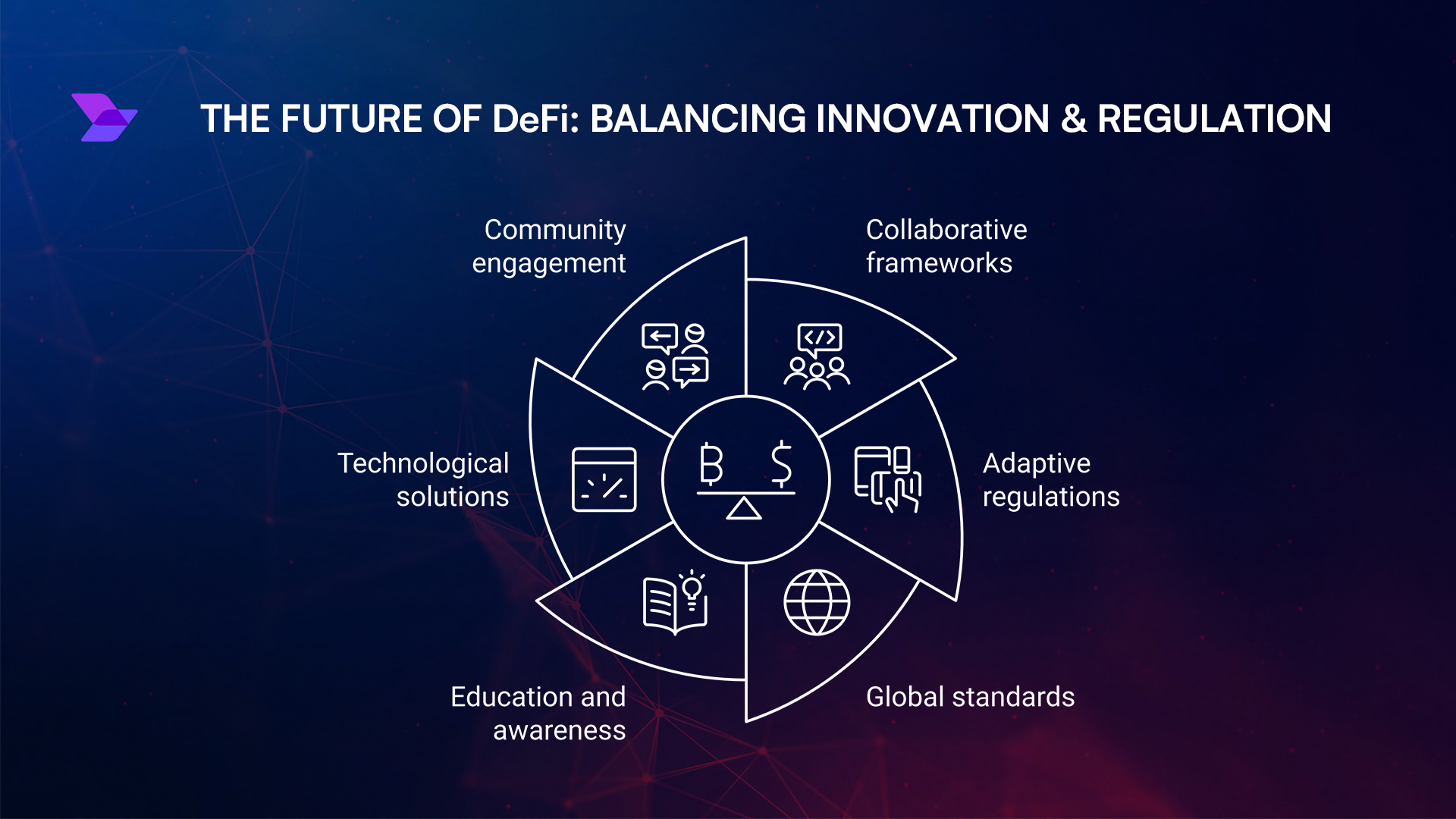
Embed identity verification into user onboarding. This step ensures protocols can screen for sanctioned entities and comply with anti-money laundering statutes, a baseline requirement under evolving MiCA and SEC frameworks.
Conduct regular, third-party audits of stablecoin backing. Transparency regarding reserve composition is essential for proving solvency and meeting the strict reporting standards expected by EU regulators.

Identify and secure necessary licenses in key operating regions. Protocols must navigate complex licensing landscapes to ensure legal operation in major markets, avoiding cross-border regulatory violations.
For ongoing updates on these regulatory shifts, refer to the Crypto Regulation Hub by Davis Polk, which tracks congressional proposals and official guidance.
No comments yet. Be the first to share your thoughts!