DeFi 3.0: The Structural Shift
DeFi 3.0 represents a fundamental pivot from the speculative yield farming of its predecessors to a model built on sustainable, institutional-grade infrastructure. This is not merely a technological upgrade; it is a structural realignment that bridges traditional finance (TradFi) and decentralized protocols through regulatory compliance and real-world asset (RWA) integration.
Previous iterations of DeFi prioritized speed and yield above all else, often ignoring risk management and legal frameworks. DeFi 3.0 changes this dynamic by embedding compliance into the protocol layer. The focus has shifted toward creating accessible financial infrastructure that can withstand regulatory scrutiny while offering the efficiency of blockchain technology.
The integration of real-world assets is the cornerstone of this shift. By tokenizing tangible assets such as real estate, treasury bills, and private credit, DeFi 3.0 brings liquidity to markets that were previously illiquid and inaccessible to retail investors. This convergence allows institutional capital to enter the crypto space with familiar risk management tools, while decentralized protocols gain the stability of underlying real-world value.
How real-world asset tokenization works
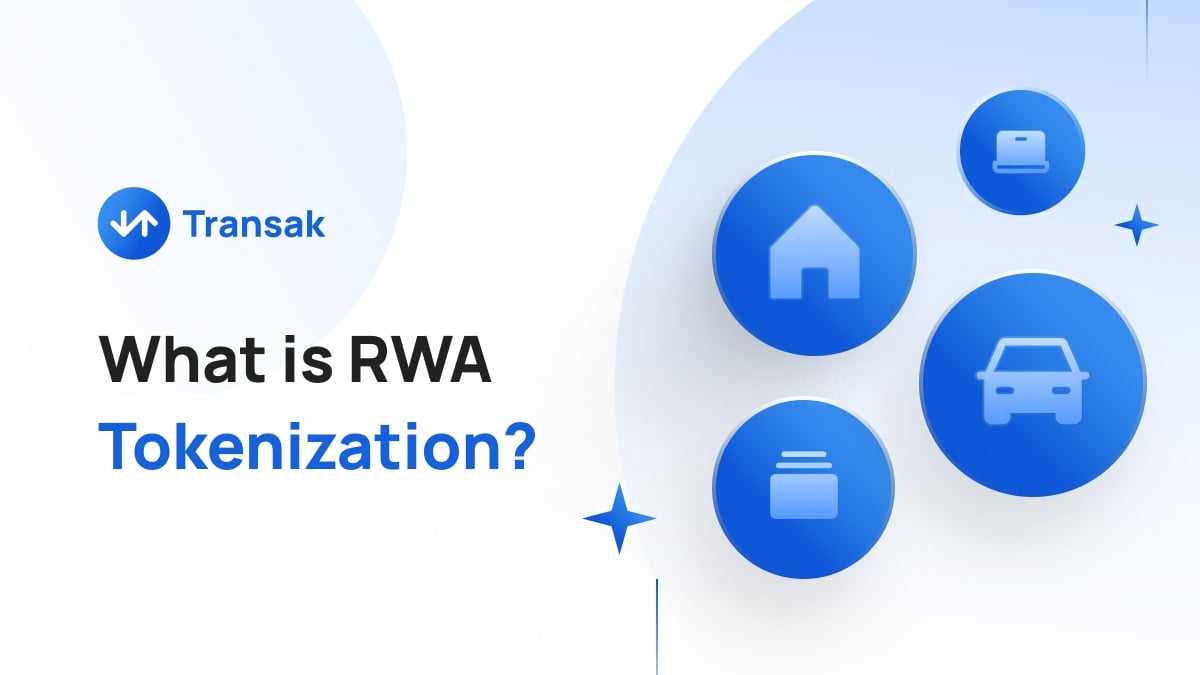
Real-world asset tokenization is the process of converting ownership rights in physical or traditional financial assets into digital tokens on a blockchain. This mechanism bridges the gap between traditional finance (TradFi) and decentralized finance (DeFi), allowing institutions to access liquidity previously locked in illiquid markets. By representing assets like U.S. Treasuries, private credit, or real estate as on-chain tokens, protocols create a new class of collateral that can be used across DeFi applications.
The mechanics follow a structured lifecycle, moving from asset origination to on-chain settlement. This process ensures that the digital token accurately reflects the underlying value and legal claims of the real-world asset.
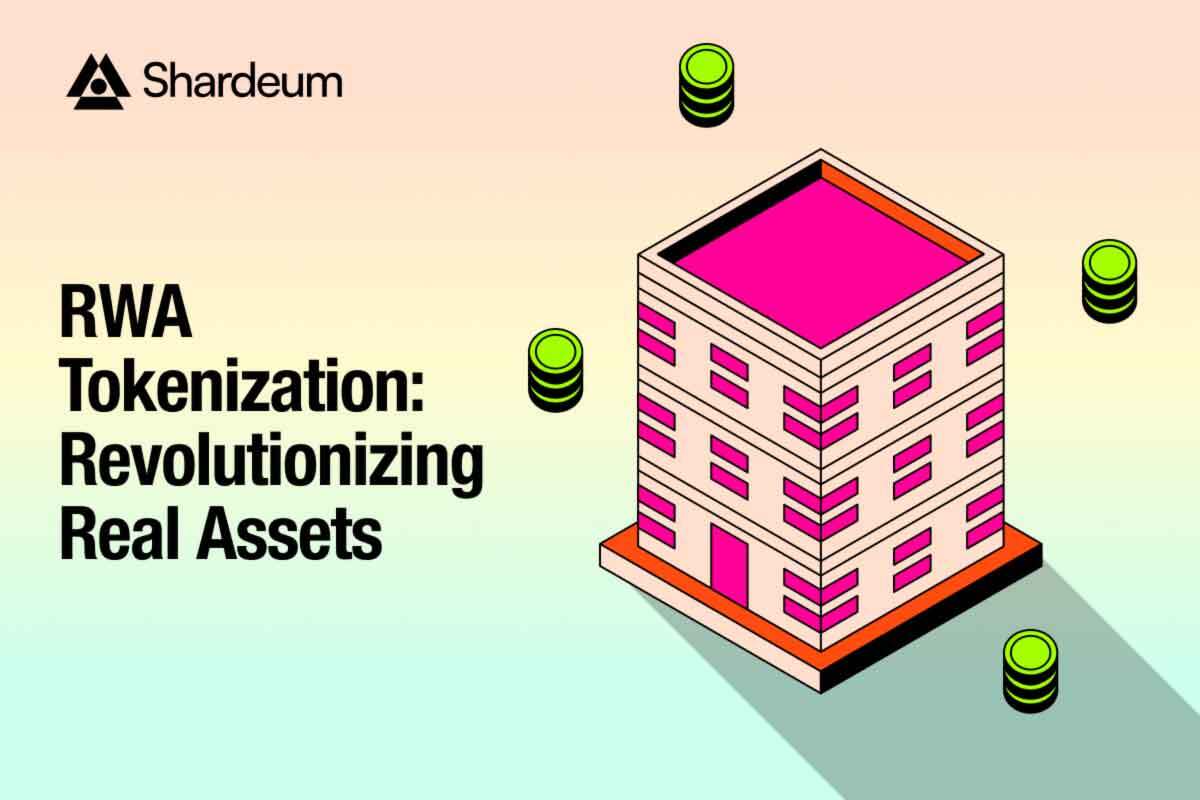
The process begins with identifying a real-world asset, such as a commercial real estate property or a pool of private loans. Legal entities are established to hold the asset, ensuring that the rights to the underlying value are clearly defined. This step is critical for institutional compliance, as it establishes the legal basis for ownership transfer.
Independent auditors and custodians verify the existence and value of the asset. This off-chain verification ensures that the token’s value is backed by tangible reserves. Regular audits provide transparency, allowing institutional investors to trust that the on-chain representation matches the real-world collateral.
Once verified, the asset is tokenized. A smart contract is deployed to mint digital tokens that represent fractional ownership or debt claims. These tokens are issued on a blockchain, typically Ethereum or a Layer 2 solution, enabling them to be transferred, traded, and used as collateral in DeFi protocols.

The tokens are distributed to investors through regulated platforms or private sales. They can then be traded on decentralized exchanges (DEXs) or centralized platforms. This liquidity allows investors to exit positions quickly, a significant advantage over traditional illiquid assets like real estate or private equity.

Smart contracts automate the distribution of yields, such as interest from treasuries or rental income from real estate, to token holders. At maturity or upon redemption, the underlying asset is liquidated or the debt is repaid, and tokens are burned or returned, completing the lifecycle.
This structured approach transforms illiquid assets into liquid, programmable financial instruments. By integrating real-world value with blockchain efficiency, tokenization expands the collateral universe in DeFi, enabling more sophisticated financial strategies and greater capital efficiency for institutional participants.
Institutional Liquidity Drivers
The adoption of DeFi 3.0 is no longer speculative; it is driven by the tangible need for yield stability and regulatory compliance. Unlike the volatile, governance-token-heavy landscape of DeFi 2.0, this new iteration anchors value in real-world assets, offering institutions a bridge between traditional finance and decentralized protocols.
Yield Stability Through Real Assets
Institutions prioritize capital preservation alongside returns. RWA tokenization provides yield derived from underlying cash flows—such as treasury bills, real estate, or private credit—rather than speculative token inflation. This shift transforms DeFi from a casino-like environment into a repository for stable, income-generating assets.
Regulatory Clarity and Compliance
The primary barrier for legacy finance has been regulatory uncertainty. DeFi 3.0 protocols integrate compliance layers directly into the smart contract level, ensuring that tokenized assets adhere to KYC/AML standards and jurisdictional requirements. This "compliance-by-design" approach allows institutions to deploy capital without fearing legal repercussions.
Access to Previously Illiquid Markets
Traditional markets like private equity or commercial real estate are notoriously illiquid, with long lock-up periods and high minimum investments. Tokenization fragments these assets into digital shares, enabling fractional ownership and 24/7 trading. This unlocks liquidity for institutions that previously had no efficient way to access these high-value markets.
DeFi Evolution Comparison
The following table contrasts the three generations of decentralized finance, highlighting why DeFi 3.0 is the preferred vehicle for institutional capital.
Leading protocols in real-world asset tokenization
The institutional adoption of DeFi 3.0 relies on a handful of specialized protocols that bridge traditional finance infrastructure with blockchain liquidity. These platforms do not merely speculate; they engineer the legal and technical frameworks necessary to tokenize illiquid assets like treasury bills, real estate, and private credit.
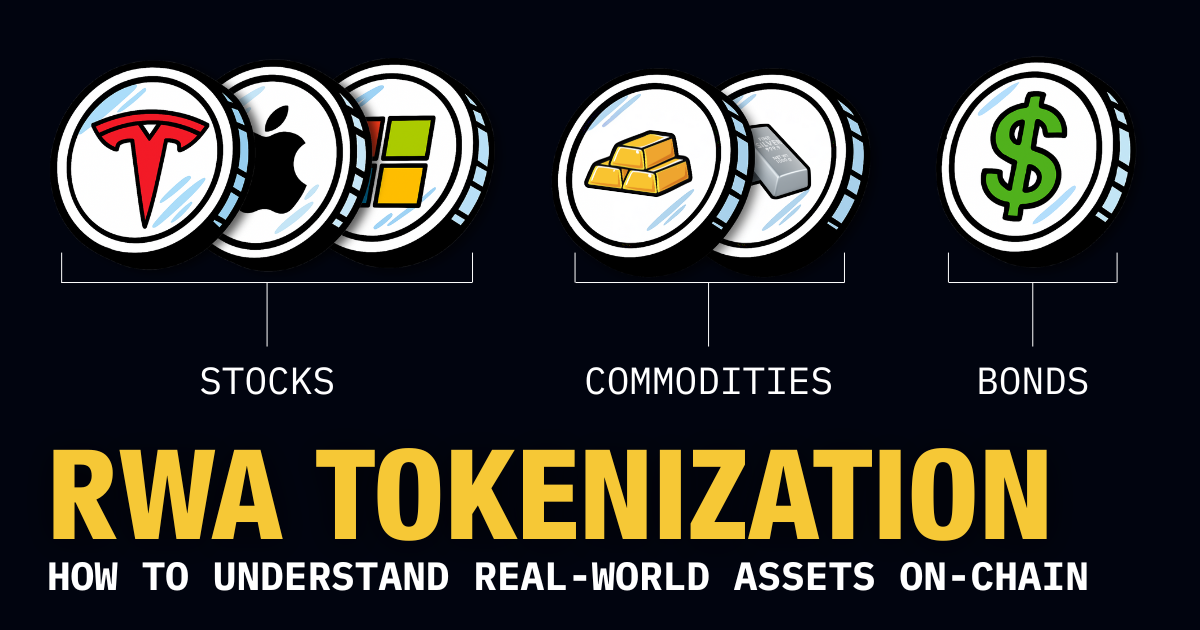
The shift from abstract digital assets to tangible real-world value is the defining characteristic of this market phase. Protocols like MakerDAO have also integrated tokenized treasury bills into their collateral pools, demonstrating how traditional safe-haven assets can stabilize decentralized lending markets. This convergence reduces volatility and provides a reliable yield source that appeals to conservative institutional capital.
As regulatory clarity improves, these protocols will likely consolidate into fewer, more robust platforms. The current landscape favors those with strong legal structures and transparent auditing, ensuring that the tokenized assets backing DeFi positions remain fully backed and liquid.
Risks and regulatory considerations
The adoption of DeFi 3.0 cannot proceed without addressing the dual threats of regulatory uncertainty and technical fragility. Unlike traditional finance, where compliance is embedded in legal structures, tokenized real-world assets operate in a jurisdictional gray area. As institutions bridge the gap between TradFi and crypto, they must navigate a patchwork of global regulations that vary significantly by asset class and geography. The lack of standardized legal frameworks for on-chain ownership creates operational friction and potential liability for institutional participants.
Smart contract risk remains a critical vulnerability. While RWA tokenization brings liquidity, it also introduces code-based exposure. A single vulnerability in the bridge between the physical asset and its digital token can result in total loss of value. Institutional investors require audited, battle-tested contracts and clear liability assignments before deploying capital. The complexity of multi-party interactions—spanning issuers, custodians, and decentralized protocols—amplifies the attack surface for malicious actors.
Reliance on official sources and primary data is non-negotiable in this environment. Investors must verify the legal enforceability of tokenized claims and the security of underlying infrastructure. As noted by industry analysts, DeFi 3.0’s success hinges on its ability to integrate advanced functionality with user-centric simplicity and rigorous risk management. Without these safeguards, the promise of institutional liquidity remains theoretical.
No comments yet. Be the first to share your thoughts!