The $36 billion RWA market in 2026
The tokenized real-world asset (RWA) market has crossed a significant threshold, exceeding $36 billion in value as of late 2025, according to the Canton Network’s industry report. This figure, which excludes stablecoins, marks the transition of RWA tokenization from experimental pilots to a standardized, high-volume asset class. The scale of this market cap demonstrates that institutional capital is no longer testing the waters but is actively deploying significant liquidity into on-chain representations of traditional finance.
The velocity of this growth is evident in trading activity. CoinGecko’s 2026 RWA Report indicates that total RWA perpetual futures volume surged to $524.8 billion in the first quarter of 2026 alone. This represents a substantial increase from the $313.0 billion recorded for the entire year of 2025, signaling that RWA tokenization is becoming a primary vehicle for leveraged and derivative strategies in DeFi.
However, this rapid expansion has introduced new complexities. The Canton Network report highlights that fragmentation across multiple blockchains is already creating liquidity silos and operational friction. As the market matures, the challenge is no longer just adoption, but interoperability and regulatory clarity across these dispersed chains.
BlackRock BUIDL and the Anchor for Institutional Adoption
BlackRock’s BUIDL fund operates as the primary anchor for institutional RWA tokenization, bridging traditional finance with on-chain liquidity. By tokenizing U.S. Treasuries, BlackRock has established a baseline for how large-scale capital enters the blockchain ecosystem without relying on opaque intermediaries. The fund’s structure demonstrates that regulated entities can manage real-world assets directly on public ledgers, a prerequisite for the RWA tokenization 2026 standard to mature.
The scale of this adoption is significant. According to MetaMask, tokenized Treasuries reached $12.88 billion in market size in 2026, representing the largest segment of the broader RWA category. This growth is not isolated; RWA.xyz reports that total tokenized real-world assets exceeded $24 billion by February 2026, driven by a 266% increase in 2025. BUIDL’s dominance in this space signals that institutional capital prefers the transparency and efficiency of tokenized debt over legacy settlement systems.
This shift relies on robust infrastructure. The fund utilizes the Ethereum blockchain and integrates with major wallets like MetaMask, ensuring that institutional-grade assets are accessible to a wider range of participants while maintaining compliance. The move toward tokenized U.S. Treasuries as the primary RWA asset class reduces counterparty risk and settlement times, making it the foundational layer for the new DeFi standard.
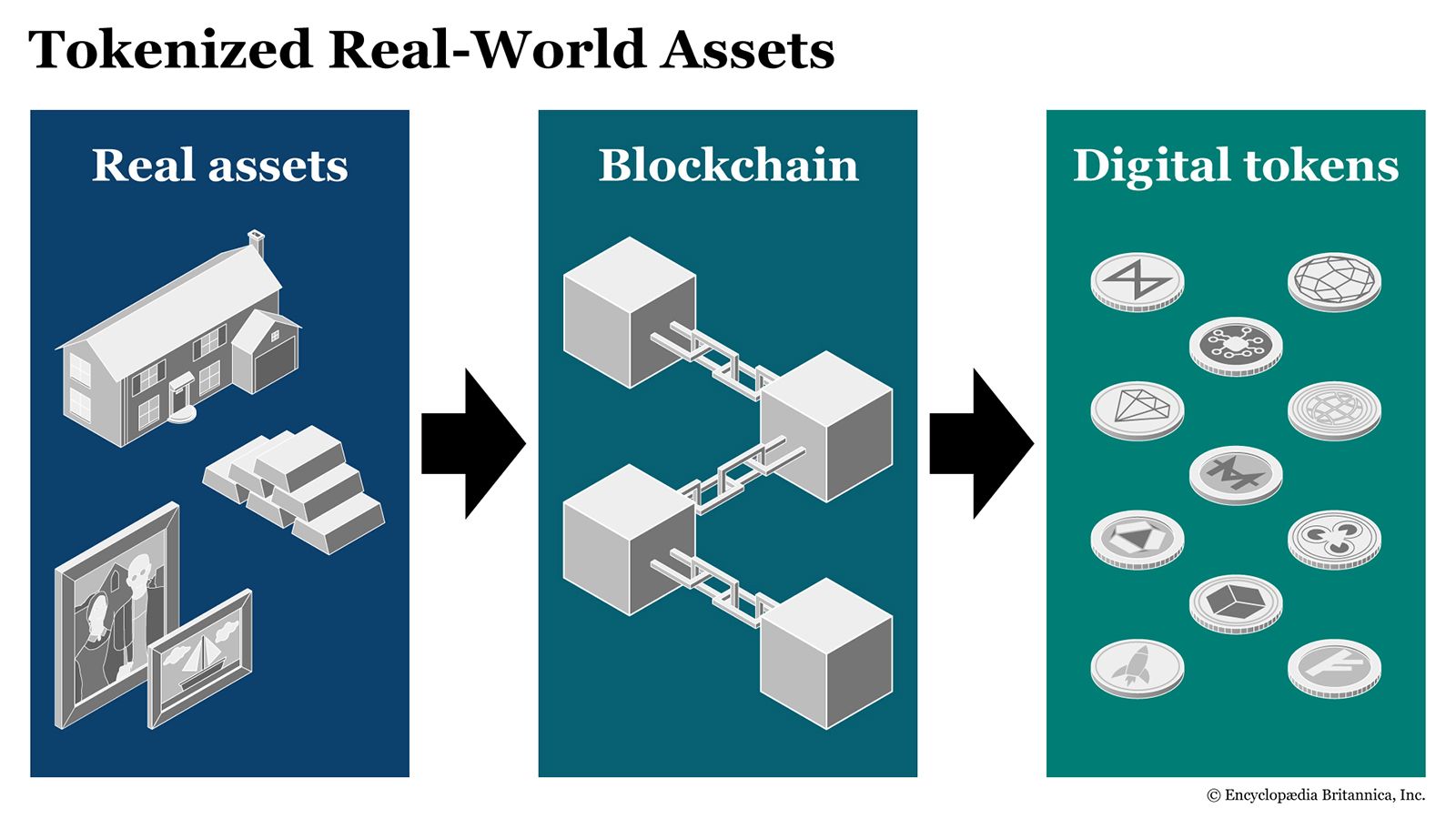
The implications for the market are structural. As more institutions follow BlackRock’s model, the distinction between traditional bond markets and crypto-native yield opportunities narrows. This convergence validates the legal and regulatory frameworks surrounding tokenized assets, paving the way for more complex RWA products beyond simple treasuries.
The fragmentation bottleneck
RWA tokenization is maturing, but it is not yet unified. The market for tokenized real-world assets—excluding stablecoins—surpassed $36 billion by late 2025, according to the Canton Network’s 2026 State of RWA Tokenization report. This growth is significant, but it is occurring in silos. Assets are locked into specific blockchains, creating liquidity islands that prevent a single, global market from forming.
Chain fragmentation acts as a structural bottleneck. When a treasury bill or private credit note is issued on one chain, it cannot seamlessly interact with lending protocols or exchanges on another without complex, risky bridging. This limits the addressable market for issuers and reduces price discovery efficiency for investors. The result is a fragmented landscape where capital cannot flow freely to where it is most needed.
Protocols like Canton Network are addressing this by building a network of networks rather than a single chain. Canton uses a confidentiality layer and a shared state model that allows different ledgers to transact without moving assets across bridges. This approach aims to create a unified global market for RWAs, where compliance and privacy are preserved while liquidity is aggregated.
The difference between a siloed token and an interoperable one is like a local currency versus a global reserve asset. The former has limited utility, confined to a specific geography or ecosystem. The latter moves freely across borders, finding the best price and usage regardless of location. For RWA tokenization to reach its full potential in 2026 and beyond, interoperability is not just a technical feature; it is a market requirement.
Institutional Compliance and Regulatory Frameworks
The transition of real-world assets into digital tokens is no longer defined by technological novelty but by regulatory adherence. By 2026, institutional capital has shifted from experimental pilots to standardized on-chain financial products, a move driven entirely by the ability to meet existing legal standards. For high-stakes RWA tokenization, compliance is not an optional feature; it is the primary infrastructure that enables traditional finance to interact with decentralized protocols.
KYC and AML Integration
Traditional banks and asset managers require robust Know Your Customer (KYC) and Anti-Money Laundering (AML) frameworks before deploying capital into digital asset markets. Unlike retail DeFi, where pseudonymity is the norm, institutional RWA tokenization mandates identity verification at the token level. This ensures that every holder of a tokenized treasury bill or real estate share is vetted against global sanctions lists and regulatory databases.
Platforms like the Canton Network have emerged as critical infrastructure for this requirement. They offer privacy-preserving transaction environments where compliance checks can occur without exposing sensitive data to the public ledger. This allows issuers to maintain legal standing while still leveraging the efficiency of blockchain settlement. Without these integrated compliance layers, institutional participation would remain legally precarious and financially limited.
The Role of Regulatory Filings
In 2026, the market for tokenized RWAs has grown to over $24 billion, a figure that reflects the confidence institutions place in regulated environments. This growth is not accidental; it is the result of rigorous adherence to securities laws and financial regulations. Issuers must file appropriate disclosures and maintain continuous reporting standards to ensure their tokens are recognized as legitimate financial instruments.
The integration of these compliance mechanisms has transformed RWA tokenization from a speculative tech trend into a foundational element of modern finance. As the market matures, the distinction between "traditional" and "crypto" assets will continue to blur, with compliance serving as the universal bridge between the two.
Key questions on RWA tokenization
The landscape of RWA tokenization in 2026 is defined by institutional adoption and regulatory clarity. As BlackRock and other major firms integrate tokenized Treasuries into their offerings, the focus shifts from speculation to utility. The following sections address the primary concerns regarding safety, liquidity, and accessibility in this emerging market.
Understanding these mechanics is essential for navigating the RWA tokenization 2026 ecosystem. As the market matures, regulatory frameworks will likely standardize these practices, reducing friction for both retail and institutional participants.
No comments yet. Be the first to share your thoughts!