The $60 Billion RWA Market in 2026
Real-world asset tokenization has moved past the experimental phase. In 2026, the total value of tokenized assets crossed the $60 billion mark, spanning more than 7,000 distinct products. This scale reflects a decisive shift from isolated pilot programs to production-grade infrastructure, driven primarily by large traditional finance managers rather than speculative crypto ventures.
Tokenized treasuries dominate this growth. They are the only asset class that has achieved full institutional readiness, offering a bridge between traditional sovereign debt and blockchain liquidity. While other asset classes like real estate and private credit show promise, they remain constrained by regulatory ambiguity and operational complexity. The market is not yet broad; it is concentrated.
Regulatory clarity acts as the gatekeeper for this expansion. Jurisdictions that have established clear frameworks for digital securities have seen the fastest adoption rates. Conversely, liquidity remains a significant hurdle for non-treasury assets. Without standardized legal wrappers and interoperable settlement layers, tokenized illiquid assets struggle to find buyers, limiting their utility to niche holding strategies rather than active trading.
The trajectory is clear: institutional capital is flowing into tokenization, but only where the rules are defined. As 2026 progresses, the gap between tokenized treasuries and other real-world assets will likely widen until regulatory and technical standards catch up to the ambition.
Tokenized Treasuries Lead Institutional Adoption
Tokenized treasury bills have emerged as the primary vehicle for institutional DeFi adoption in 2026. Unlike other real-world asset (RWA) categories that struggle with valuation and legal complexity, U.S. government debt offers a standardized, regulated, and highly liquid foundation. Institutional capital, which drives the majority of RWA growth this year, prefers assets where regulatory clarity is not an afterthought but a prerequisite.
The appeal lies in the combination of yield and settlement efficiency. Traditional treasury markets operate on T+1 or T+2 settlement cycles, creating friction for capital-intensive institutions. Tokenization compresses this timeline, allowing for near-instant settlement while maintaining the same credit risk profile. This structural advantage makes tokenized treasuries the most mature and widely adopted asset class in the RWA sector.
Regulatory frameworks in major jurisdictions now explicitly recognize tokenized securities, provided they adhere to existing securities laws. This clarity removes the "wild west" stigma that previously deterred large-scale capital deployment. Institutions can now integrate these assets into their balance sheets with the same compliance confidence they apply to traditional bonds, bridging the gap between legacy finance and blockchain infrastructure.
Real estate and private credit on chain
Blockchain real estate and private credit are moving from experimental pilots to production-scale deployments in 2026. The shift is driven by institutional capital seeking fractional ownership models that unlock liquidity in traditionally illiquid markets. Major asset managers are now issuing tokenized shares of commercial properties and private debt instruments, allowing investors to trade stakes with the speed of digital assets.
Tokenization solves the friction of real estate transactions. Instead of waiting months for escrow and title transfers, owners can split assets into digital tokens representing fractional equity. This structure lowers minimum entry barriers and enables secondary trading, though regulatory clarity remains a prerequisite for mass adoption. Liquidity remains a key challenge for non-treasury RWA assets, but the infrastructure is maturing rapidly.
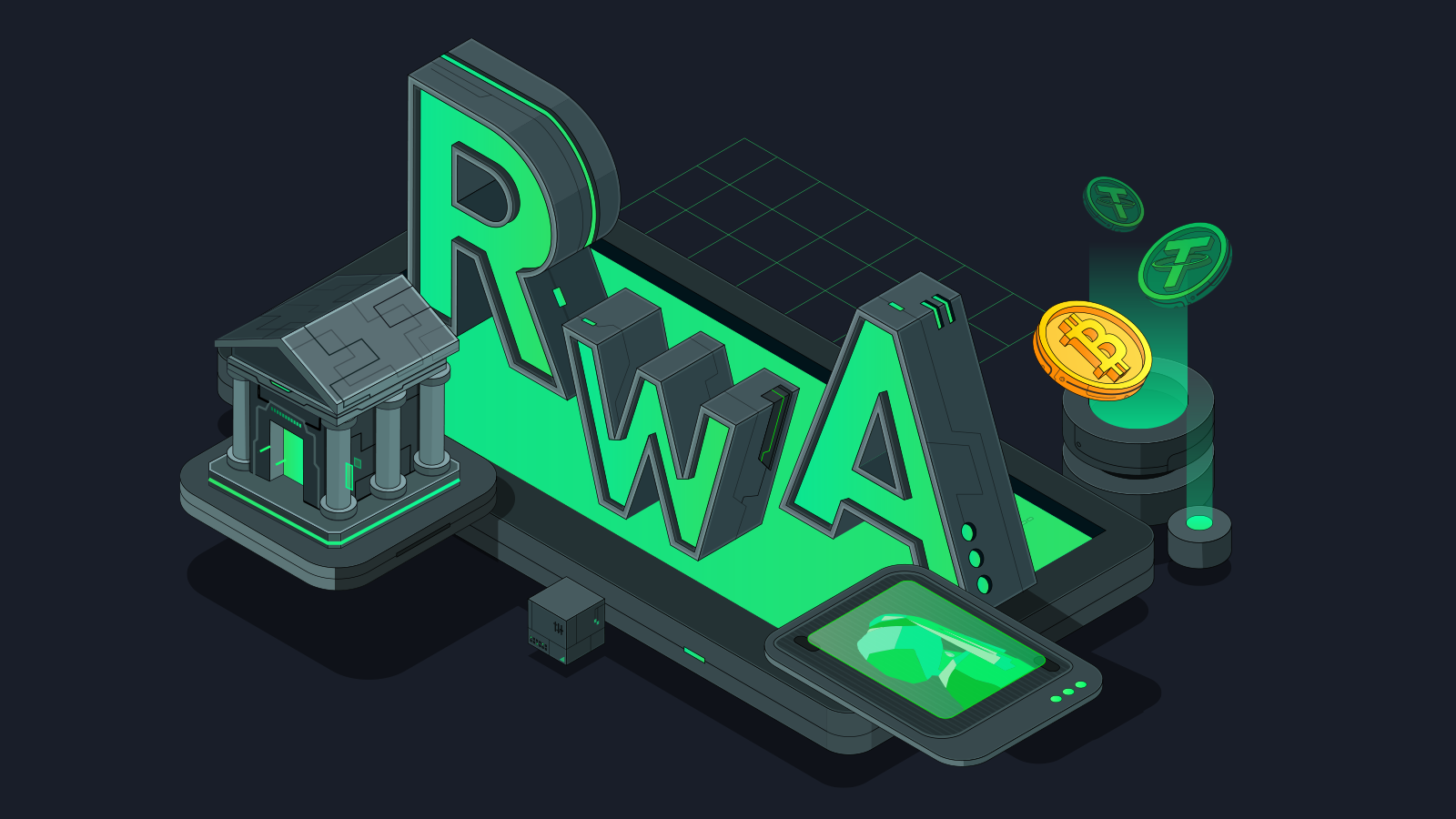
Traditional vs. Tokenized Real Estate
The following comparison highlights the structural differences between traditional property investment and on-chain tokenization. Tokenized assets offer significantly faster settlement and lower entry costs, transforming how capital flows into private credit and real estate.
| Feature | Traditional Real Estate | Tokenized Real Estate |
|---|---|---|
| Minimum Investment | $50,000+ | $100-$1,000 |
| Settlement Time | 30-90 days | Minutes to hours |
| Liquidity | Low (illiquid) | High (24/7 trading) |
| Fractional Ownership | Complex (REITs/LLCs) | Native (smart contracts) |
Regulatory Hurdles and Compliance Standards
Institutional capital will not enter the RWA market without a clear rulebook. Tokenization is no longer a speculative experiment; it is a programmable representation of financial assets on a digital ledger, as defined by the IMF. For high-stakes assets like treasuries or real estate, regulatory clarity is the prerequisite for mass adoption. Without it, liquidity remains fractured across unconnected silos.
The primary hurdle is integrating traditional compliance into decentralized infrastructure. Institutions require robust KYC (Know Your Customer) and AML (Anti-Money Laundering) frameworks that function seamlessly within the blockchain environment. This means embedding identity verification directly into the token’s smart contract logic, ensuring that only verified wallets can hold or transfer the asset. This "programmable compliance" prevents illicit flows while satisfying institutional audit requirements.
To navigate this complex landscape, many jurisdictions are deploying regulatory sandboxes. These controlled environments allow firms to test tokenized assets under supervised conditions, balancing innovation with consumer protection. As the World Economic Forum notes, this acceleration is already impacting capital markets by improving access to investment products. However, the path to maturity requires strict adherence to these emerging standards, turning compliance from a barrier into a feature.
Common Pitfalls in RWA Tokenization Projects
Institutional capital is the primary driver of RWA growth in 2026, yet many projects stumble on avoidable errors. Tokenized treasuries are the most mature and widely adopted asset class, but other categories face significant hurdles. Regulatory clarity is a prerequisite for mass adoption of RWA tokenization, and missing it often halts progress before it begins.

Liquidity remains a key challenge for non-treasury RWA assets. Projects often fragment liquidity across multiple chains and platforms, creating isolated pools that fail to attract deep institutional order books. Without a unified secondary market, the promised efficiency of tokenization vanishes, leaving assets illiquid and harder to value.
Regulatory missteps compound these technical issues. Launching without clear jurisdictional alignment exposes projects to enforcement actions that can freeze assets. Institutional investors require legal certainty before committing capital, making compliance a feature, not an afterthought.
Frequently Asked Questions About RWA Tokenization
How is real-world asset tokenization defined?
Tokenization is the process of representing a financial asset or liability on a programmable digital ledger. As defined by the IMF, the token exists on a blockchain, creating a digital twin of the underlying real-world value. This infrastructure allows institutional capital to interface with blockchain settlement systems directly, moving beyond experimental pilot programs to production-scale operations in 2026.
Which asset class dominates the market?
Tokenized treasuries are the most mature and widely adopted asset class in the current landscape. While the broader RWA market reached approximately $60 billion across 7,000+ products in 2026, institutional readiness is concentrated in fixed-income instruments. Other asset classes, such as real estate or private credit, remain in earlier stages of development and lack the same level of regulatory clarity and liquidity.
What are the primary risks for investors?
Liquidity remains a significant challenge for non-treasury RWA assets. Unlike public equities, tokenized private assets may face difficulties in finding buyers during market stress, potentially leading to price dislocations. Additionally, regulatory uncertainty persists for assets outside of sovereign debt. Investors must carefully evaluate the legal structure of the token and the custody arrangements before committing capital to these emerging markets.
No comments yet. Be the first to share your thoughts!