

Flash loan attacks keep hammering DeFi protocols, turning borrowed millions into instant drains on liquidity pools. Just look at 2025: zkLend got hit for $9.6 million through precision loss and accumulator tricks fueled by flash loans, while Impermax on Base chain ate $152,000 to $300,000 in damages from fee manipulation. These aren't isolated; Chainalysis data shows DeFi hacks snagged 97% of stolen crypto early in 2022, a trend exploding with flash loans exploiting reentrancy bugs and oracle price feeds. As a day trader glued to these volatility spikes, I've seen positions wiped out in seconds. Time to talk defi insurance flash loan exploits and how to shield your stack.
Flash Loans: Atomic Bombs in Reentrancy and Price Manipulation
Flash loans let attackers borrow huge sums without collateral, as long as they repay in the same transaction. That's the hook for smart contract reentrancy coverage needs. Reentrancy hits when a contract calls back into the attacker before finishing its state update, like the classic repeated withdrawals draining pools. Pair that with price manipulation, where flash loans skew oracles before a protocol prices a trade, and you've got multi-million exploits. Sources like arXiv papers nail it: static analysis spots these oracle manipulations, but they're still rampant. OWASP lists flash loans in its top smart contract risks, warning of drained reserves from single-transaction chaos.
Nexus Mutual's NXM sits at $57.63 today, down 2.96% in 24 hours from a high of $59.65. This mutual's staking model covers protocols against exactly these threats, making it a trader's watchlist staple amid rising TVL over $106 billion at risk per ACM studies.
2025 Flash Loan Carnage: zkLend and Impermax Under the Microscope
zkLend's February 2025 breach used flash loans for accumulator manipulation, exposing precision loss flaws in lending logic. Impermax followed in April, with attackers twisting fee calcs and LP positions via borrowed funds. Hacken and HackenProof reports confirm: these hit decentralized lending hard, echoing Medium breakdowns of reentrancy letting functions loop endlessly. For traders, these events spike volatility; I've flipped shorts on affected tokens post-exploit. Check deeper into preventing flash loan exploits in DeFi lending, drawing from similar 2025 cases.

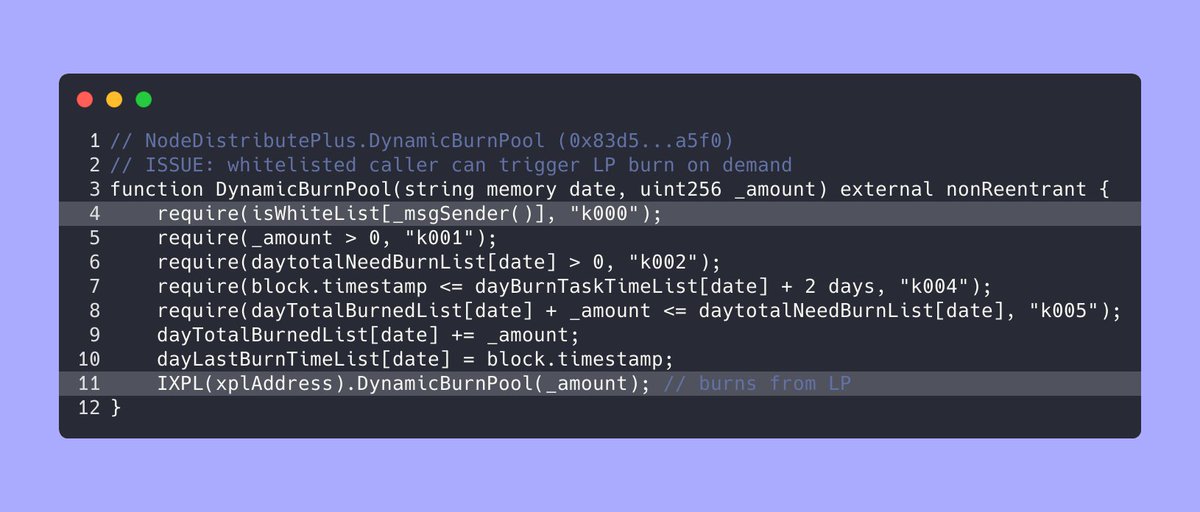
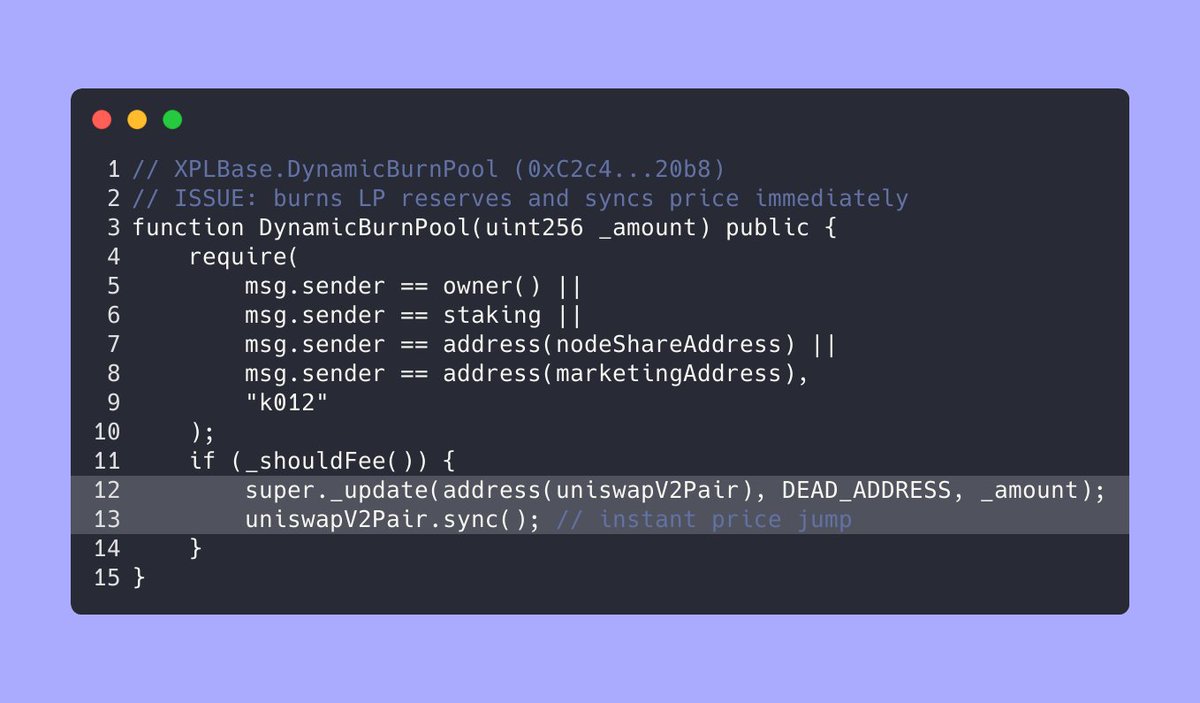
DeFi's TVL growth amplifies stakes. Metana and Ethereum Speedrun guides stress pre-existing bugs like governance flaws get weaponized by flash capital. Without coverage, recoveries drag, as SimSpace notes on liquidity pool drains.
Top DeFi Insurance Protocols Tackling Flash Loan Risks
Enter the frontline defenders: our top 7 by relevance and market presence for price manipulation defi insurance and defi exploit protection protocols. Nexus Mutual leads, with community-voted covers for smart contract bugs including flash loans. InsurAce offers parametric policies triggering on exploits, fast payouts for reentrancy hits. Sherlock Protocol uses pods for diversified risk, covering oracle manipulations head-on.
Nexus Mutual (NXM) Price Prediction 2027-2032
Forecasts based on rising DeFi insurance demand driven by flash loan attacks, reentrancy vulnerabilities, and price manipulation exploits amid growing protocol TVL
| Year | Minimum Price | Average Price | Maximum Price | YoY % Change (Avg from Prev Year) |
|---|---|---|---|---|
| 2027 | $52.00 | $85.00 | $140.00 | +47.5% |
| 2028 | $70.00 | $120.00 | $200.00 | +41.2% |
| 2029 | $95.00 | $165.00 | $280.00 | +37.5% |
| 2030 | $125.00 | $220.00 | $380.00 | +33.3% |
| 2031 | $160.00 | $290.00 | $500.00 | +31.8% |
| 2032 | $200.00 | $375.00 | $650.00 | +29.3% |
Price Prediction Summary
NXM prices are projected to experience strong growth through 2032, with average prices climbing from $85 in 2027 to $375 by 2032 (over 6x from 2026 baseline of $57.63), fueled by heightened DeFi risks and insurance adoption. Min/Max ranges account for bearish market cycles and bullish adoption surges.
Key Factors Affecting Nexus Mutual Price
- Escalating flash loan attacks and DeFi exploits (e.g., 2025 zkLend $9.6M loss, Impermax incident), driving demand for Nexus Mutual coverage
- Increasing DeFi TVL (> $106B vulnerable), amplifying insurance needs
- Regulatory developments mandating better smart contract security and audits
- Technological improvements in oracle protection and reentrancy guards boosting protocol confidence
- Crypto market cycles with 2028 halving potentially sparking bull runs
- Competition from emerging DeFi insurers but NXM's first-mover advantage
- Broader Web3 adoption and institutional entry into insured DeFi products
Disclaimer: Cryptocurrency price predictions are speculative and based on current market analysis. Actual prices may vary significantly due to market volatility, regulatory changes, and other factors. Always do your own research before making investment decisions.
Bridge Mutual focuses on bridges but extends to flash loan vectors in lending. Unslashed Finance automates slashing insurance, vital for staked positions vulnerable to price swings. Cubex tailors enterprise-grade covers for flash attack scenarios. Armor. fi rounds it out with fiat-backed policies against flash loan attack insurance 2026 threats. These aren't fluff; they've responded to real drains, as detailed in case studies on smart contract exploits and insurance responses. Staking NXM at $57.63 signals confidence in rebounding protocols.
Traders, don't sleep on coverage premiums dipping post-attack. I've eyed InsurAce for quick claims on manipulated pools, while Sherlock's audits add layers. More on these protocols' mechanics and how to pick covers ahead.
Let's break down these defi exploit protection protocols with a trader's edge, focusing on coverage for flash loan attacks, reentrancy drains, and oracle twists. Nexus Mutual pioneered mutualized risk: members stake NXM at $57.63 to back covers, voting on claims. I've staked during dips like today's -2.96% slide, betting on protocol recoveries that pump TVL back fast.
Deep Dive: How Each Protocol Shields Against Flash Loan Chaos
InsurAce stands out for parametric triggers - no human votes, just code verifying exploits like zkLend's accumulator mess. Payouts hit wallets in blocks, perfect for flipping volatility post-attack. Sherlock Protocol's pod system splits risks across underwriters, covering price manipulation defi insurance with on-chain audits I've tracked during Base chain scares like Impermax.
Top 7 DeFi Insurance Protocols (NXM at $57.63 benchmark)
| Rank | Protocol | Flash Loans | Reentrancy | Price Manipulation | TVL Backed ($M) | Premium Rates (Annual Avg.) |
|---|---|---|---|---|---|---|
| 1 | Nexus Mutual | ✅ | ✅ | ✅ | $185 | 2.5% |
| 2 | InsurAce | ✅ | ✅ | ✅ | $92 | 3.0% |
| 3 | Sherlock Protocol | ✅ | ✅ | ✅ | $156 | 2.8% |
| 4 | Bridge Mutual | ✅ | ✅ | ✅ | $67 | 3.5% |
| 5 | Unslashed Finance | ✅ | ✅ | ✅ | $41 | 4.0% |
| 6 | Cubex | ✅ | ✅ | ✅ | $33 | 4.2% |
| 7 | Armor.fi | ✅ | ✅ | ✅ | $78 | 3.3% |
Bridge Mutual bridges cross-chain gaps, extending flash loan covers to lending pools where reentrancy lurks. Unslashed Finance targets slashing risks amplified by flash manipulations in staked assets - think governance votes skewed by borrowed capital. Cubex brings institutional heft, customizing policies for high-TVL protocols vulnerable per OWASP top 10. Armor. fi fiat-on-ramps fiat stability to crypto claims, insuring against 2026 flash trends as HackenProof warns.
Pick based on your stack: lending heavy? InsurAce or Nexus. Cross-chain? Bridge Mutual. Staking? Unslashed. Premiums run 1-5% annualized, dipping after exploits - I've bought low on InsurAce post-Impermax, netting yields as markets rebound. Read up on DeFi insurance for reentrancy exploits to gauge claim speeds.
These protocols aren't perfect; disputes drag Nexus claims, Sherlock pods can misalign incentives. But Chainalysis trends scream necessity - DeFi hacks dominate thefts. ACM flags $106B TVL exposed; static analysis from arXiv lags real-time threats. As a day trader, I layer coverage like stops: cheap insurance caps downside on leveraged positions.
Trader Tactics: Stacking Coverage Amid 2026 Volatility
Monitor NXM at $57.63 - a low signals cheap staking entry before flash seasons spike demand. Combine with audits; Ethereum Speedrun guides pair well. I've shorted exposed tokens pre-attack rumors, covered longs with InsurAce. For flash loan attack insurance 2026, diversify: 40% Nexus for votes, 30% Sherlock pods, rest parametric like Armor. fi.
Flash loans evolve - non-price vectors per ACM hit governance next. Protocols recover, but traders who insure first flip exploits into edges. Stake smart, cover stacks, trade the rebounds.




No comments yet. Be the first to share your thoughts!