RWA Tokenization 2026 Budget
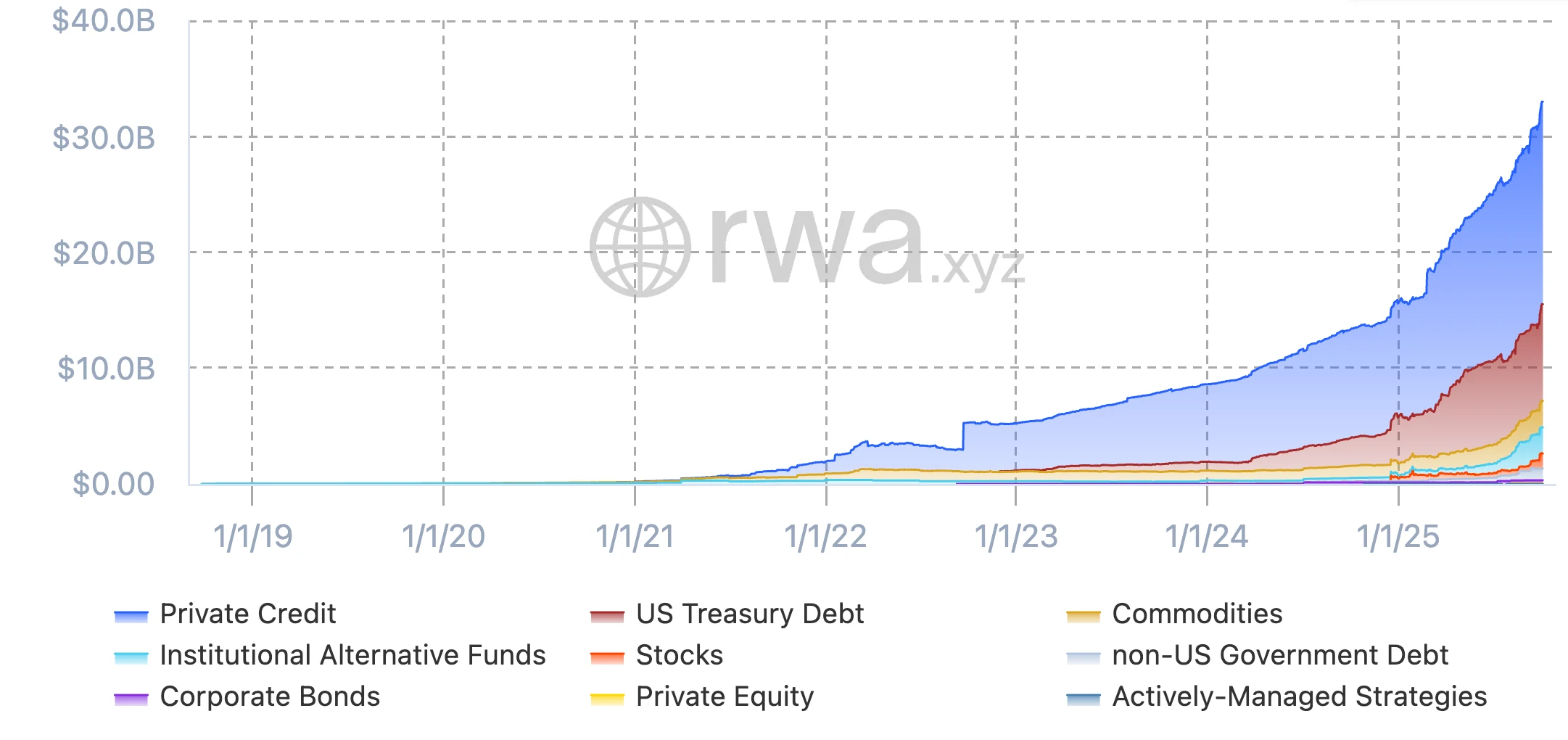
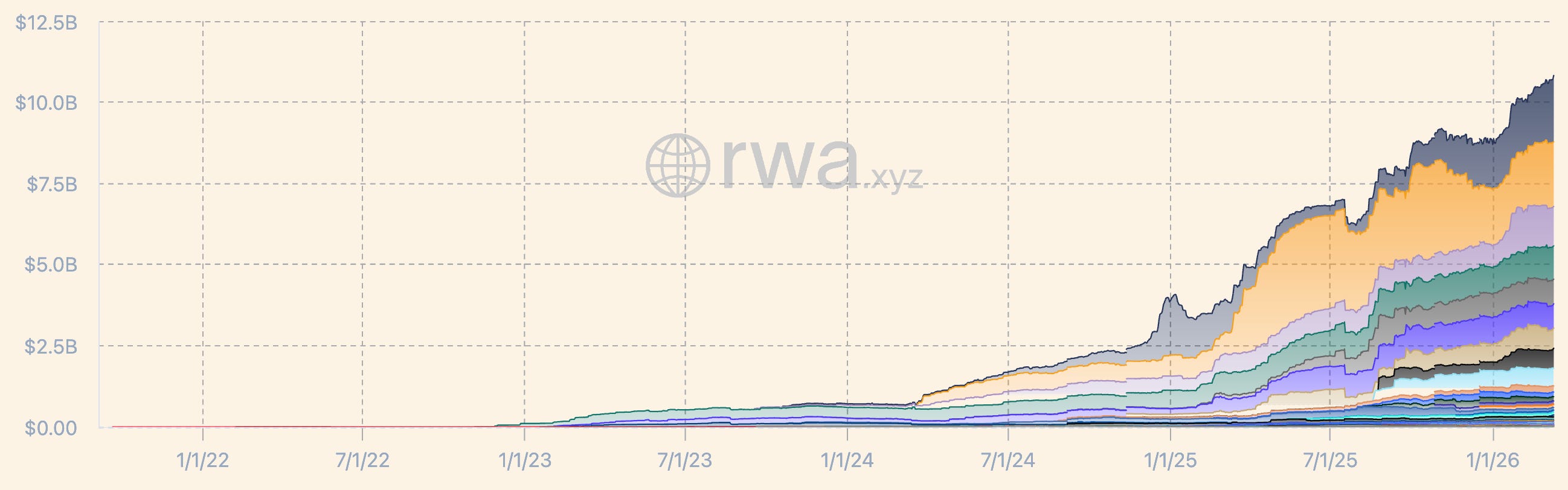
The market has grown fast, but not all tokenized assets are equal. Recent reports place the tokenized RWA market at $60 billion across 7,000+ products in 2026, yet institutional readiness remains narrow. Only one asset class—sovereign debt—has truly matured for broad adoption.
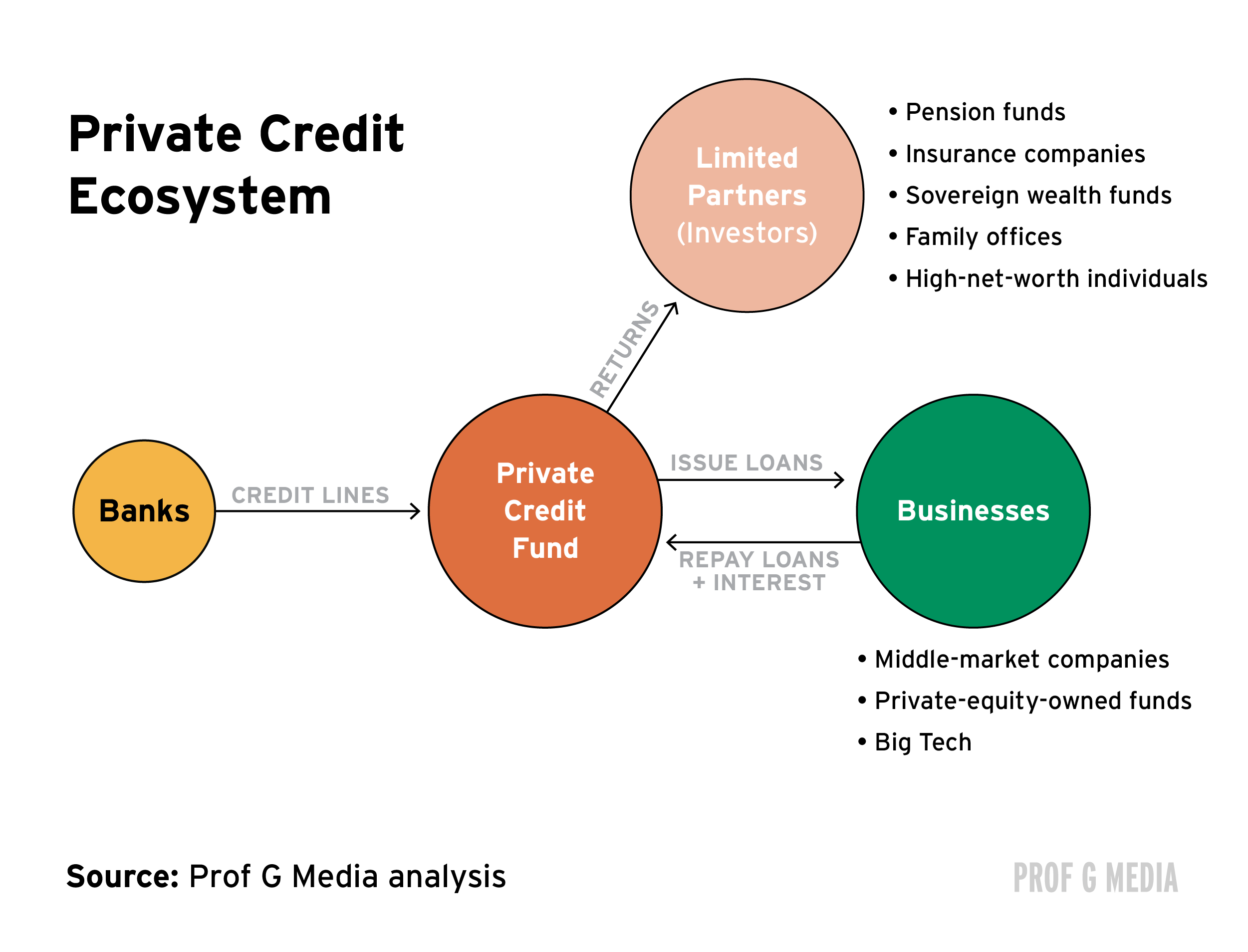
When budgeting for RWA exposure, you must distinguish between high-liquidity treasury bills and illiquid real estate or private credit. The former offers stability and clear yield; the latter carries complex legal wrappers and lower transparency. Fragmentation across chains further complicates valuation, making direct price comparisons difficult.
For most investors, starting with tokenized U.S. Treasuries provides the safest entry point. These assets mirror traditional money market funds but settle on-chain. As you expand your budget into other RWAs, prioritize assets with established legal precedents and audited reserves. Avoid speculative tokens backed by unverified collateral, regardless of their promised yields.
As an Amazon Associate, we may earn from qualifying purchases.
Focus on the underlying asset's real-world performance, not the blockchain's speed. A tokenized bond's value depends on the issuer's creditworthiness, not the smart contract's efficiency. Budget conservatively for illiquid RWAs, assuming you may not be able to exit quickly during market stress.
Shortlist real options
The RWA tokenization market has crossed $60 billion in 2026, but that headline number masks a fragmented reality. Only a handful of asset classes and platforms have achieved institutional-grade readiness. For funds and enterprises, the choice isn't about which chain is fastest; it's about which infrastructure can handle legal compliance, custody, and cross-chain interoperability without breaking the asset's utility.
We've compared the strongest RWA tokenization options for 2026 based on three practical criteria: the specific asset class they specialize in, their regulatory posture, and their technical integration with traditional finance (TradFi) systems. This list avoids abstract platform comparisons and focuses on concrete, deployable solutions that are actively managing billions in on-chain value.
| Platform / Protocol | Primary Asset Class | Regulatory Posture | TradFi Integration |
|---|---|---|---|
| Ondo Finance | US Treasuries & Money Market Funds | US-registered issuer; fully compliant | Direct custody via BNY Mellon; institutional-grade |
| Centrifuge | Real Estate & Invoice Finance | EU MiCA compliant; US entity structure | Connects DeFi liquidity to real-world credit |
| Securitize | Private Equity & Secondary Markets | SEC-registered transfer agent | Direct integration with major broker-dealers |
| Chainlink CCIP | Cross-Chain RWA Settlement | Protocol-level; asset-agnostic | Enables secure data/asset movement between chains |
Ondo Finance: The Institutional Standard for Fixed Income
Ondo Finance remains the dominant player for tokenized US Treasuries and money market funds. Their approach is less about building a new financial layer and more about plugging traditional government debt into blockchain rails. By partnering with custodians like BNY Mellon, Ondo ensures that the tokenized notes are backed by real, auditable assets held in traditional banking structures. This makes them the go-to option for institutions that need yield but cannot compromise on regulatory clarity or custody security.
Centrifuge: Bridging Real-World Credit with DeFi
While Ondo focuses on safe, low-yield government debt, Centrifuge targets higher-yielding real-world assets like real estate loans and invoice financing. Their platform allows businesses to tokenize their receivables and sell them to DeFi liquidity pools. This is a distinct model from pure issuance; it creates a marketplace for credit. For 2026, their strength lies in their ability to navigate both EU and US regulatory frameworks, making them a versatile choice for projects dealing with complex, non-standard assets.
Securitize: The Backbone for Private Market Liquidity
Securitize isn't just a tokenization platform; it's a registered transfer agent. This distinction is critical for private equity and real estate funds that need to issue secondary market liquidity. They provide the legal wrapper and compliance infrastructure that allows these illiquid assets to be traded on-chain. If your primary concern is the legal enforceability of tokenized ownership and the ability to conduct secondary transactions, Securitize offers the most robust TradFi-aligned infrastructure available.
Chainlink CCIP: The Interoperability Layer
No RWA strategy works in isolation. Chainlink's Cross-Chain Interoperability Protocol (CCIP) is essential for moving tokenized assets between different blockchains securely. As RWA projects fragment across Ethereum, Polygon, and private ledgers, CCIP provides the standardized security layer that prevents bridging hacks and data mismatches. It's not an asset issuer, but it is the critical plumbing that allows tokenized RWAs to move freely across the ecosystem without exposing investors to smart contract vulnerabilities.
Inspect the expensive parts
Use this section to make the RWA tokenization decision easier to compare in real life, not just on paper. Start with the reader's actual constraint, then separate must-have requirements from details that are merely nice to have. A practical choice should survive normal use, maintenance, timing, and budget. If a recommendation only works in an ideal situation, call that out plainly and give the reader a fallback path.
-
Verify the basicsConfirm the core specs, condition, and fit before comparing extras.
-
Price the downsideLook for the repair, maintenance, or replacement cost that would change the decision.
-
Compare alternativesCheck at least two comparable options before treating one listing as the benchmark.
Ownership costs and hidden fees
A low purchase price rarely reflects the total cost of holding a tokenized asset. While the initial transaction might be cheap, ongoing expenses can erode returns quickly. Understanding these recurring costs is essential before committing capital.
Smart contract and network fees
Every interaction with a tokenized asset on a blockchain requires gas fees. These costs fluctuate based on network congestion and the specific chain used. For high-frequency traders, these fees accumulate rapidly. For long-term holders, they represent a fixed drag on performance that must be factored into the annualized return.
Custody and compliance expenses
Institutional-grade tokenization often requires third-party custodians to hold the underlying assets. These services charge custody fees, typically a percentage of assets under management. Additionally, compliance costs for KYC (Know Your Customer) and AML (Anti-Money Laundering) checks are often passed on to investors. These fees ensure regulatory adherence but add layers of complexity and cost that traditional direct ownership might avoid.
Liquidity and spread costs
While tokenization promises 24/7 liquidity, many RWA markets remain fragmented. Trading on niche decentralized exchanges can result in wider bid-ask spreads. If you need to exit a position quickly, the slippage from these spreads can be significant. Always check the trading volume and depth of the specific pool before buying.
Maintenance and operational surprises
Unlike traditional assets, tokenized assets require active monitoring. Smart contract audits are one-time events, but vulnerabilities can emerge later. Some protocols charge maintenance fees for protocol upgrades or governance participation. Also, if the underlying asset (like a real estate property or a private credit loan) requires active management, those operational costs are reflected in the token’s yield. A "cheap" token with high operational overhead is often more expensive than it appears.
Rwa tokenization in 2026: common: what to check next
As the tokenized real-world asset market crosses $60 billion, practical concerns about liquidity, regulation, and accessibility dominate the conversation. Here are the most common questions from investors and developers navigating this space.
No comments yet. Be the first to share your thoughts!