Market scale and growth in 2026
Real-world asset tokenization has crossed a significant threshold in 2026, growing from fragmented pilot programs to production-scale deployment. The total value of tokenized real-world assets now exceeds $60 billion, encompassing more than 7,000 distinct products. This expansion is largely driven by the largest asset managers in traditional finance, who are moving beyond experimental phases to integrate tokenization into core operations.
While the aggregate market cap is substantial, the distribution of value remains concentrated. According to data from RWA.xyz, the sector saw a 266% growth rate in 2025, with total value reaching over $24 billion by February 2026. The current $60 billion figure reflects this accelerated momentum, though most of this value is tied to a single asset class that has proven institutional-ready. Other asset types remain in earlier stages of adoption, highlighting the selective nature of this shift.
To understand the broader market context, it is useful to observe the underlying blockchain activity and liquidity flows that support these tokenized assets.
The transition to production scale marks a definitive change in how institutional capital interacts with digital ledgers. As regulatory frameworks clarify and infrastructure matures, the focus is shifting from proving the technology works to scaling it efficiently across diverse asset classes.
Which asset classes lead tokenization
Real-world asset tokenization is no longer a theoretical exercise. The market has matured, with on-chain value excluding stablecoins reaching $33 billion by mid-2026, yet the distribution of that capital reveals a stark divide between experimental assets and those ready for institutional balance sheets [src-8]. While the broader ecosystem boasts over $60 billion across thousands of products, only a handful of asset classes have cleared the regulatory and operational hurdles required for serious capital allocation.
The distinction is clear: treasury bills and private credit are the only sectors truly institutional-ready. These assets offer the necessary liquidity, predictable yield, and regulatory clarity that large funds demand. Other categories, such as real estate or private equity, remain largely experimental, hampered by illiquidity and complex legal frameworks that have not yet adapted to on-chain settlement.
To understand where the capital is flowing, it helps to compare the leading contenders across key metrics. The table below outlines how the top asset classes stack up against one another in terms of liquidity, yield profile, and institutional readiness.
| Asset Class | Liquidity | Yield Profile | Institutional Readiness |
|---|---|---|---|
| U.S. Treasury Bills | High | Market Rate | Ready |
| Private Credit | Medium | Fixed/Float | Ready |
| Real Estate | Low | Variable | Experimental |
| Private Equity | Very Low | Carry | Experimental |
The data confirms that while tokenization is broad, it is not yet uniform. Institutional investors are concentrating their exposure in assets that mimic traditional fixed-income structures, using blockchain for efficiency rather than innovation. This focus on stability over novelty defines the current state of the market, leaving more exotic asset classes to catch up with regulatory frameworks.
How RWA tokenization lowers DeFi risk
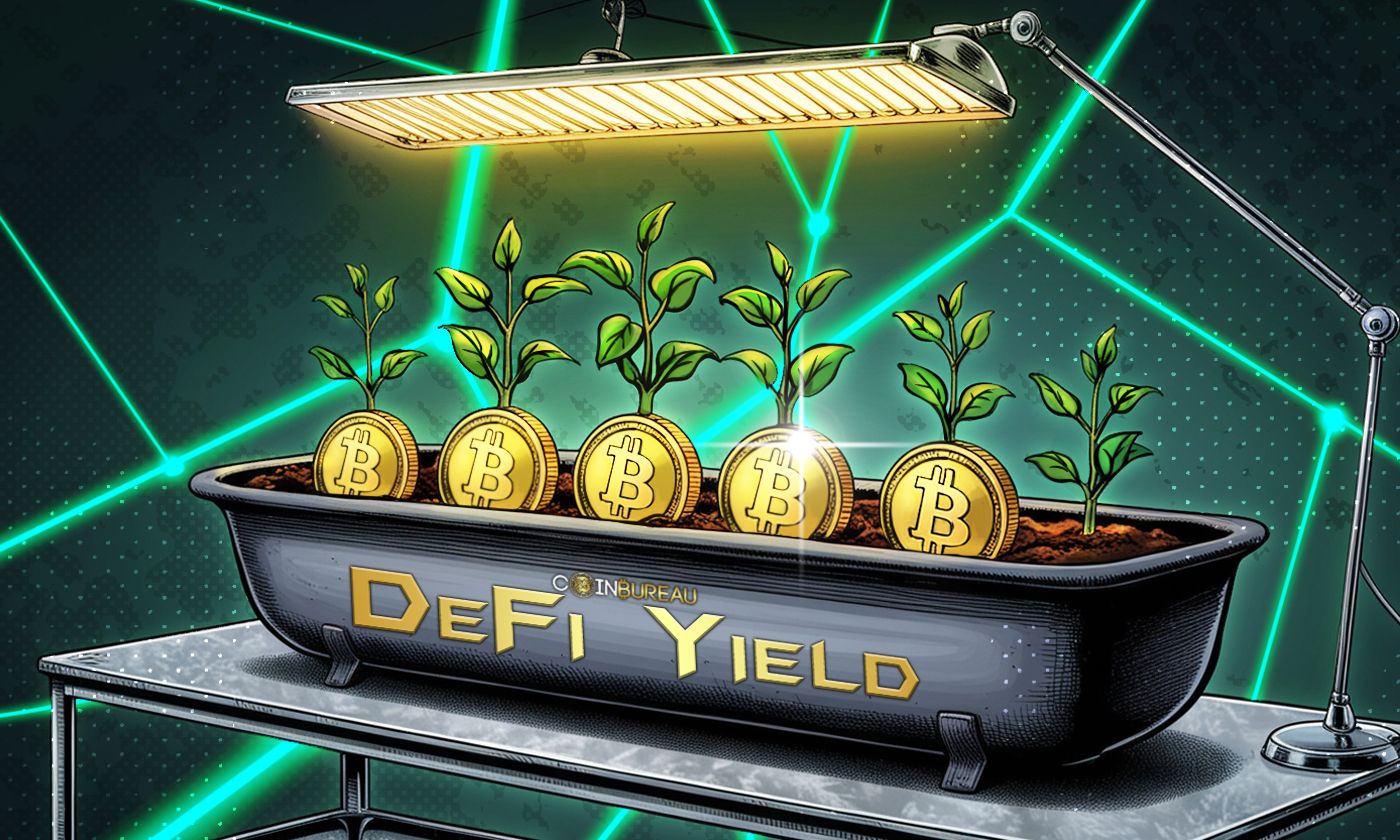
Real-world asset tokenization is reshaping DeFi yield strategies by introducing stability into a sector historically defined by volatility. By backing tokens with tangible assets like treasury bills and real estate, protocols offer yield-bearing alternatives that decouple returns from the wild swings of speculative crypto markets. This shift allows investors to access consistent income streams without the constant anxiety of market crashes.
The introduction of tokenized treasuries, such as those from Ondo Finance (ONDO), provides a direct link to traditional safe-haven assets. Instead of relying on volatile liquidity mining rewards, users can earn yields derived from actual interest rates on government debt. This creates a more predictable financial environment, effectively bridging the gap between traditional finance stability and decentralized accessibility.
Live market data reflects this growing institutional interest in stable, tokenized assets. The price action of leading RWA tokens often moves with more restraint compared to pure speculative altcoins, signaling a maturation of the sector. This stability is crucial for large-scale capital allocation, where preserving principal is as important as generating yield.
As asset tokenization accelerates, it is impacting capital markets by offering deeper liquidity and broader access to investment products. This trend suggests a future where DeFi protocols are no longer isolated from traditional finance but are integrated with its most reliable instruments, redefining what passive income looks like in a digital economy.
Key platforms and infrastructure
In 2026, the definition of a real-world asset tokenization platform has shifted from simple minting to complex interoperability. The leading platforms now function as bridges, connecting traditional finance compliance layers with on-chain settlement rails. This infrastructure handles the heavy lifting of regulatory reporting, identity verification, and cross-chain liquidity aggregation.
The market is consolidating around providers that can offer end-to-end solutions. Rather than separate tools for issuance and trading, institutions prefer integrated ecosystems that reduce counterparty risk. This shift explains why the global asset tokenization market is projected to grow from USD 2.1 trillion in 2026 to significantly higher figures in the coming years.

The infrastructure layer prioritizes stability over novelty. Platforms that survived the 2022-2023 market corrections have refined their security protocols and legal frameworks. Today’s top providers offer institutional-grade custody, automated compliance checks, and seamless fiat on-ramps. This maturity is what allows traditional asset managers to enter the space with confidence.
Regulatory landscape and risks
The regulatory environment for real-world asset tokenization has shifted from theoretical debate to enforced compliance. In the twelve months leading to mid-2026, the industry crossed a threshold from experimental pilots to a regulated market structure. On-chain value for tokenized real-world assets, excluding stablecoins, reached $33 billion, a milestone that required robust legal frameworks to achieve (Source: Stobox, 2026).
Institutional adoption now hinges on jurisdictional clarity. Major financial centers have introduced specific guidelines for security token offerings, reducing the legal ambiguity that previously deterred large-scale capital allocation. The World Economic Forum notes that this acceleration is fundamentally impacting capital markets by improving liquidity and broadening access to investment products (Source: WEF, 2026).
However, risks remain high. Investors must verify issuer compliance and regulatory status before engaging with any tokenized asset. Fragmented global standards mean that an asset compliant in one jurisdiction may face restrictions in another. As legal frameworks evolve, the gap between technological capability and regulatory approval remains the primary bottleneck for broader institutional participation.
Common questions about RWA tokenization
Real-world asset tokenization is moving from pilot programs to institutional adoption. These questions address the most frequent points of confusion for investors and developers entering the space.
Is XRP tokenizing real-world assets?
XRP Ledger (XRP Ledger) has actively pursued real-world asset tokenization through its XLS-37d amendment, which enables asset-issuing capabilities. Major financial institutions, including SBI Holdings, have launched tokenized funds on the ledger, positioning it as a bridge between traditional finance and blockchain infrastructure. Unlike purely speculative tokens, these assets represent tangible value.
What are the future prospects of real-world asset tokenization?
The sector is poised for significant expansion as regulatory frameworks mature. According to Whitebread Research, tokenization is likely to increase as more financial leaders embrace blockchain technology. However, growth will depend heavily on evolving laws and public awareness, particularly regarding compliance and custody standards.
Which company is leading in tokenization?
BlackRock is widely considered the institutional leader, particularly with its BUIDL fund, which tokenized U.S. Treasury bills on the Ethereum blockchain. This move signaled major Wall Street confidence in the technology. Other significant players include Franklin Templeton, which has a long history of tokenized money market funds, and Ondo Finance, which focuses on tokenized securities.
What real-world assets have been tokenized?
The most common assets are currently financial instruments like U.S. Treasuries, private credit, and money market funds. However, the scope is expanding to include tangible assets such as real estate, art, and commodities. Tokenizing these assets allows for fractional ownership and 24/7 liquidity, which was previously impossible with traditional holdings.
No comments yet. Be the first to share your thoughts!