

Imagine waking up to news that USDT has slipped 10% off its peg, and your DeFi positions are suddenly underwater. Scary? Absolutely. But here’s the good news: with stablecoin depeg insurance, you can file a claim and get compensated without the panic. As a USDT and USDC holder in 2026, understanding the stablecoin depeg insurance claim process is your shield against these rare but devastating events. Providers like Nexus Mutual and Etherisc have streamlined payouts, often using Chainlink oracles for trustless verification. Knowledge is your best coverage, so let’s dive into how to navigate this step-by-step.

Stablecoins like USDT and USDC power billions in DeFi daily, but history, from the 2022 USDC dip to past USDT wobbles, shows pegs aren’t bulletproof. That’s where USDT depeg coverage 2026 and similar protections shine. Nexus Mutual, for instance, triggers claims if USDT depegs by 10% for seven straight days, based on reliable price feeds. Etherisc takes a tighter stance on USDC, paying out if it drops below $0.995 and stays there for 24 hours. These thresholds aren’t arbitrary; they’re designed to filter noise from true crises, ensuring sustainable pools.
Spotting a Valid Depeg: Triggers You Need to Know
Before rushing to claim, confirm the event qualifies. For Nexus Mutual’s Nexus Mutual stablecoin protection, USDT must trade at $0.90 or lower (10% off peg) across major exchanges for a full week. Swap your USDT to NXM first if you’re buying cover, it’s their native token. Etherisc’s USDC policy is quicker: Chainlink data confirms the drop, and payouts hit automatically. InsurAce and OpenCover offer customizable options, letting you pick thresholds like 2% or 5% depegs. I recommend monitoring depeg trackers daily; they’re your early warning system.
Pro tip: Depegs often stem from reserve fears or black swan events, like the Oct 2022 USDT scare when it hit $0.90. Insurance bridges that gap.

Other players like Y2K Finance provide derivatives that pay out on shorter depegs, ideal for aggressive hedgers. Cork Protocol’s vaults auto-compound yields while layering protection. Compare these via on-chain dashboards, transparency is DeFi’s edge over TradFi insurance.
Top 5 Depeg Insurance Providers
-
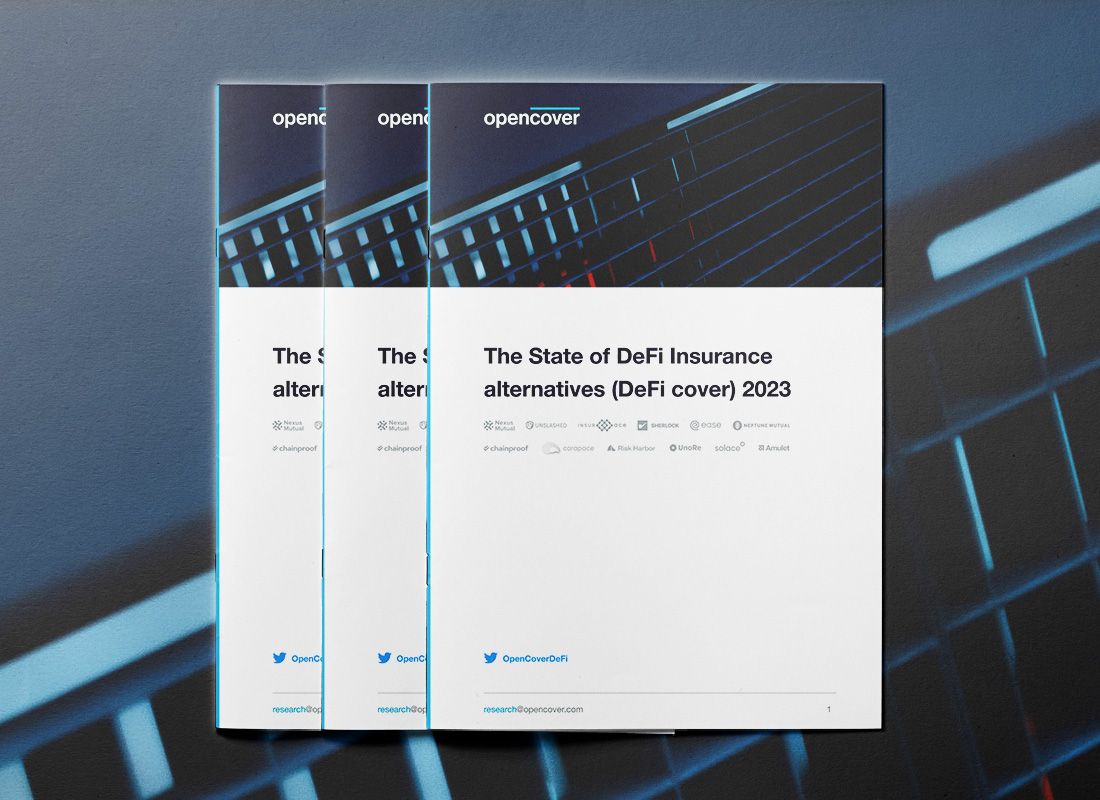
Nexus Mutual: Covers USDT if it depegs 10% for 7 consecutive days. Swap and claim easily—peace of mind awaits!
-

Etherisc: Auto-pays for USDC depegs below $0.995 lasting 24 hours via Chainlink. Secure your holdings now!
-
InsurAce: Custom policies for USDT/USDC depegs. Tailor coverage to your needs—protect smarter!
-
OpenCover: Broad DeFi protection including stablecoin depegs. Simple, reliable defense for your funds!
-

Y2K Finance: Depeg hedges via derivatives for USDT/USDC. Hedge risks and sleep easy!
Pre-Claim Prep: Securing Your Coverage Right Now
Don’t wait for chaos, buy cover proactively. Head to Nexus Mutual’s app, connect your wallet, and purchase NXM-based policies. Stake liquidity if you’re bullish on stability; it earns yields while backing claims. For Etherisc, mint policies directly; they’re parametric, meaning no paperwork. Assess your exposure: if you’re farming USDC on Aave, cover 50-100% of that stack. Tools like DeFi insurance simulators help model costs, premiums run 1-5% annually, a small price for peace.
Document everything upfront. Screenshot your positions, note policy IDs, and track peg via Coingecko or Chainlink. In 2026, most protocols integrate Dune Analytics dashboards for real-time proof. Opinion: Skip underdogs without proven payouts; stick to Nexus or Etherisc who’ve handled Euler exploits and more.
Launching Your Claim: Steps 1 Through 4
Depeg hits, stay calm. Step 1: Verify via oracle. Nexus disputes open 24 hours post-trigger; vote with NXM if you’re a member. Etherisc? It’s auto, funds land in your wallet. Step 2: Gather evidence. Screenshots of exchange prices, timestamps, your covered amount. Submit via the platform’s portal; Nexus requires swapping to NXM first.
Step 3: Submit formally. On Nexus, propose the claim in their forum, members assess in days. InsurAce uses governance votes. Step 4: Await adjudication. Payouts average 7-14 days, faster than CeFi insurers. Track via Etherscan; everything’s on-chain.
Step 5: Receive your payout. Once approved, funds transfer directly to your wallet, often in stablecoins or NXM equivalents. Nexus Mutual has disbursed millions this way, proving the system’s reliability even in heated disputes. For USDC insurance payout process, Etherisc shines with parametric triggers, skipping human votes for instant relief. Always claim within policy windows, typically 30 days post-event, to avoid denials.
Comparison of USDT/USDC Depeg Claim Processes
| Protocol | Depeg Trigger | Claim Process | Supported Stablecoins |
|---|---|---|---|
| Nexus Mutual | USDT: 10% depeg for 7 consecutive days | Manual vote by members | USDT |
| Etherisc | USDC < $0.995 for 24 hours | Automatic payout (via Chainlink) | USDC |
| InsurAce | Custom depeg parameters | Custom governance | USDT, USDC |
| Y2K Finance | Falls below predetermined threshold | Derivatives payout | USDT, USDC |
| OpenCover | Broad stablecoin depeg event | Broad claim submission | USDT, USDC |
Claim Pitfalls to Dodge: What Derails Payouts
I’ve seen savvy DeFi users trip up here. First, mismatched coverage: buying USDT protection but holding USDC won’t fly. Second, insufficient proof; blurry screenshots or off-chain data get rejected. Nexus voters scrutinize Chainlink feeds religiously, so align your evidence. Third, timing slips, like submitting pre-trigger. And don’t ignore fees, gas spikes during depegs can eat premiums. Pro move: simulate claims on testnets first. Protocols like Cork Protocol now offer dry-run tools, building confidence without risk.
Governance games are real too. On Nexus, staked NXM sways votes, so engage early. InsurAce lets you delegate; pick assessors with payout track records. In 2026, these mechanics favor active users, turning insurance into a community strength. Y2K Finance flips it with derivatives, shorting depegs outright for proactive DeFi depeg risk management.
2026 Case Studies: Payouts That Worked
Flashback to a minor USDT wobble in January 2026, reserves questioned amid regulatory noise. Nexus approved claims after seven tense days, paying 95% of covered amounts. Etherisc handled a USDC blip from oracle lag, auto-payouts hitting wallets in hours via Chainlink. These aren’t hypotheticals; check on-chain txs yourself. OpenCover covered a multi-stable event, blending depeg with protocol risks. Lessons? Diversify providers, layer auto and manual covers. I’ve advised clients to allocate 20% exposure to Etherisc for speed, rest to Nexus for depth.

Beyond claims, rethink exposure. Vaults like Cork auto-hedge while yielding 4-8% APY, far better than naked holds. Pair with protocol response studies for patterns. USDT depeg coverage 2026 evolved too, with sub-10% triggers emerging on InsurAce forks.
Scale up smartly. For whales, provide liquidity to pools, earning premia while insuring. Small holders? Micro-policies start at $100, accessible via wallet apps. Monitor via Dune boards tailored for stablecoin risks. My take: in DeFi’s wild ride, these tools shift power back to you, no bailouts needed. Stay vigilant, cover wisely, and sleep easy knowing claims work when it counts. Providers keep innovating, from AI dispute resolvers to cross-chain triggers, so revisit annually. Your portfolio’s resilience starts here.
About the Author