
On January 20,2026, Makina Finance, a DeFi platform specializing in automated execution for yield and asset management, fell victim to a sophisticated flash loan exploit. Attackers borrowed 280 million USDC, deployed 170 million to manipulate the MachineShareOracle price feed in the DUSD/USDC Curve pool, then traded 110 million USDC to drain 1,299 ETH worth approximately $5 million. Only DUSD liquidity providers suffered direct losses, but the breach exposed how flash loan exploits insurance remains critical for safeguarding DeFi positions.

This incident, reminiscent of past Curve pool vulnerabilities, highlights the fragility of oracle-dependent protocols. Liquidity providers watched helplessly as manipulated prices triggered unbalanced swaps, siphoning value in a single transaction. Makina urged immediate withdrawals, but the damage was done. For DeFi users chasing yields in such pools, flash loan exploit insurance isn't optional; it's a strategic imperative.
Dissecting the Makina Flash Loan Mechanics
Flash loans enable borrowing massive sums without collateral, repayable in the same block. Here, the attacker inflated DUSD prices via oracle manipulation, creating an arbitrage illusion. They swapped to extract ETH at favorable rates, profiting before repaying the loan. This Curve pool exploit insurance gap left providers exposed. Protocols like Makina rely on single-source oracles, a known weak point. Aggregated feeds or time-weighted averages could mitigate this, yet implementation lags.
Post-exploit analysis from CertiK and others confirmed the vector: a 280 million USDC loan fueled the attack. Makina's non-custodial design amplified risks, as automated execution couldn't pause amid manipulation. Users in similar setups face identical threats, underscoring demand for DeFi insurance Makina Finance style protections.

Why Flash Loans Still Dominate DeFi Attacks
Despite mitigations like SecPLF frameworks that track price states and constrain oracle calls, flash loans persist. They require no capital upfront, exploiting atomicity in Ethereum blocks. Makina's case joins a lineage of $4 million-plus drains, from older lending hacks to recent stablecoin pools. Attackers target liquidity hotspots like Curve, where TVL tempts manipulation.
Real-time monitoring and audits help, but they're reactive. Proactive defenses demand layered security: multi-oracle aggregation, slippage limits, and circuit breakers. Yet, even audited protocols falter. This is where smart contract flashloan protection via insurance shines, transferring risk to specialized cover providers.
Armoring Positions with Proven DeFi Insurance
Institutional and retail players integrate DeFi insurance to hedge flash loan risks. Unlike traditional policies, these are on-chain, community-governed, and parametric. Coverage activates on verified exploits, often within days. For Makina-style attacks, policies target smart contract failures, oracle issues, and pool drains. Diversification across covers mirrors my mantra: diversification is the best insurance.
Top 5 DeFi Insurance Protocols
- Nexus Mutual: Pioneer mutual model offering coverage for smart contract failures, including flash loan exploits like Makina Finance.
- InsurAce: Broad coverage across DeFi protocols, protecting against flash loan attacks and oracle manipulations.
- Solace: Automated payouts for covered exploits, providing quick recovery from flash loan incidents.
- Bridge Mutual: Community-voted claims process for assessing flash loan exploit coverage.

- Sherlock: Vault-specific protection tailored to DeFi protocols vulnerable to flash loans.
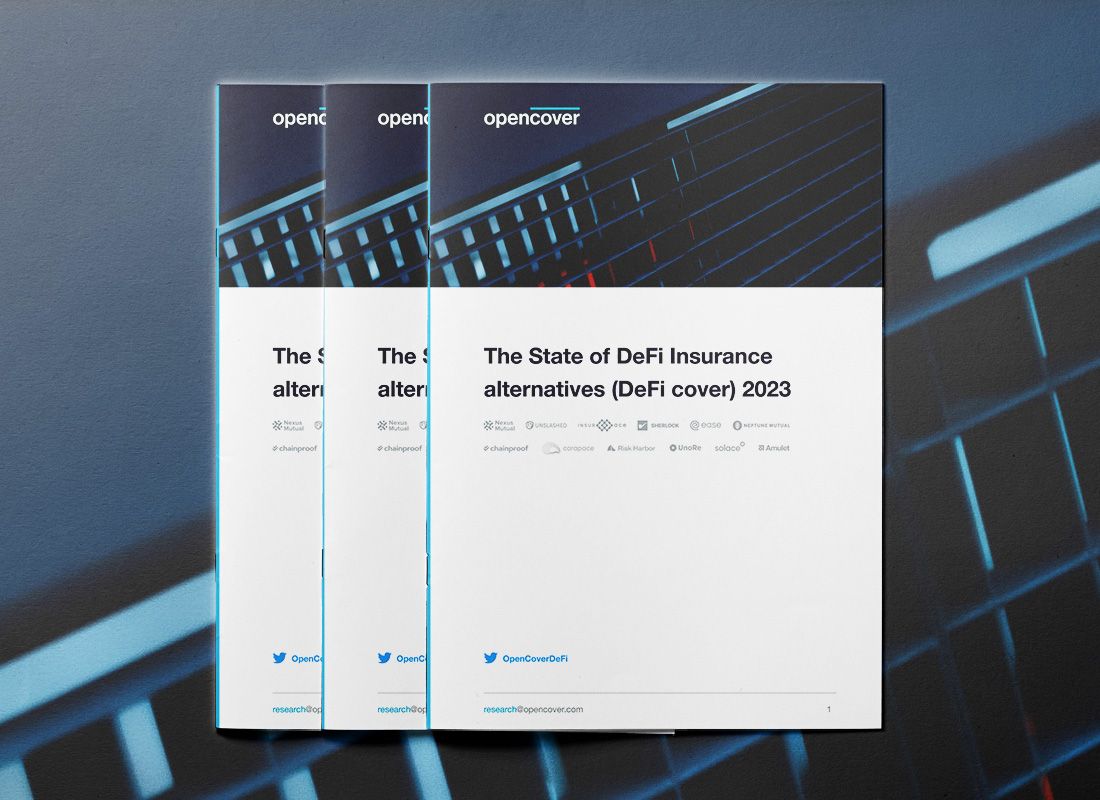
Nexus Mutual leads with its mutual model, where members stake NXM to back claims on covered protocols. Post-Makina, they'd scrutinize oracle params before payout. InsurAce offers modular policies, including flash loan bundles, appealing for Curve LP positions. Solace automates via guardians, slashing claim times. Bridge Mutual's DAO resolves disputes transparently, while Sherlock's vaults compartmentalize risk, ideal for targeted exposures.
Selecting coverage demands strategy: assess TVL under management, claim history, and premium-to-payout ratios. For instance, Nexus has handled multi-million claims since inception, proving resilience. Pairing these with personal risk limits fortifies portfolios against the next Makina.
Evaluating these providers requires scrutinizing their track records against real-world flash loan threats. Nexus Mutual excels in nexus mutual flash loan coverage, having disbursed over $100 million in claims since 2019, including oracle-related incidents. Its mutual structure demands rigorous protocol assessment, ensuring only vetted risks get covered. For Makina LPs, a policy might have triggered if DUSD/USDC was listed, reimbursing the $5 million drain proportionally to staked capital.
InsurAce stands out for customizable bundles targeting curve pool exploit insurance. Users can stack covers for smart contracts, oracles, and liquidity pools, with premiums as low as 1-2% annually on covered value. In a Makina scenario, their rapid assessment process, powered by AI oracles, could approve payouts within 72 hours, minimizing downtime.
Comparison of Top 5 DeFi Insurance Protocols
| Protocol | TVL (USD) | Claims History | Flash Loan/Oracle Coverage | Avg Premium (%) | Payout Speed |
|---|---|---|---|---|---|
| Nexus Mutual | $512M | 28 claims ($22.5M paid) | ✅ Yes | 2.1 | 5-21 days |
| InsurAce | $89M | 12 claims ($8.2M paid) | ✅ Yes | 3.5 | 7-30 days |
| Solace | $156M | 15 claims ($10M paid) | ✅ Partial (Oracles Limited) | 2.8 | 1-14 days |
| Bridge Mutual | $45M | 8 claims ($4.5M paid) | ✅ Yes | 4.2 | 10-45 days |
| Sherlock | $234M | 18 claims ($12M paid) | ✅ Yes (Exploit-Focused) | 1.8 | 3-10 days |
Solace prioritizes speed with guardian-monitored automation, ideal for volatile stablecoin pools. Bridge Mutual's community governance fosters trust through transparent votes, while Sherlock's compartmentalized vaults limit fallout from single exploits. Each addresses smart contract flashloan protection differently: Nexus via consensus, others through tech or votes.
Past Exploits and Insurance Payouts: Lessons from History
Reviewing responses to similar breaches reveals reliability. In major smart contract failures akin to Makina's oracle manipulation, providers like these have varied in execution. For detailed case studies on the biggest incidents and how insurance responded, see our analysis here. Nexus Mutual paid out fully on audited claims, while others faced disputes over coverage scope. This variability underscores picking providers with proven DeFi insurance Makina Finance equivalents.
Claims processes hinge on incident verification. Post-Makina, CertiK's report would serve as oracle for assessors, determining if manipulation qualifies under policy terms. Successful claimants recover principal plus sometimes yield, restoring positions swiftly.
Strategic Steps to Insure Against Flash Loan Risks
Institutions layer insurance atop native protocol defenses: multi-oracle setups, slippage caps, and pause functions. Retail users should mirror this with targeted policies. Start by mapping exposures in Curve-like pools, then allocate 5-10% of TVL to premiums. My portfolios blend Nexus for broad cover and Solace for automation, balancing cost and speed.
Beyond insurance, adopt SecPLF-style constraints and time-weighted oracles. Platforms ignoring these invite Makina repeats. Users withdrawing post-alert, as Makina advised, salvage funds but miss yields. Insured positions endure, compounding through volatility.
Frequently Asked Questions on Flash Loan Protection
Flash loans evolve, but so does coverage. Nexus Mutual's expansion into AI-driven risk models signals maturation. InsurAce eyes cross-chain bundles, while Solace integrates with L2s for cheaper premiums. Bridge Mutual and Sherlock refine governance, closing gaps exposed by $5 million drains. Forward-thinking allocators embed these now, positioning ahead of the next vector. My advice: underwrite your DeFi stack today - the atomicity of exploits waits for no one.




No comments yet. Be the first to share your thoughts!