
The DeFi landscape in 2024 has become a proving ground for both innovation and risk. As total value locked across protocols swelled past $100 billion, the sector’s rapid growth was matched by a surge in high-profile smart contract exploits. The resulting losses have made smart contract exploit insurance an essential tool for investors, builders, and DAOs seeking to protect digital assets from unforeseen vulnerabilities. But with more than a dozen platforms now offering coverage, how should users compare their options?
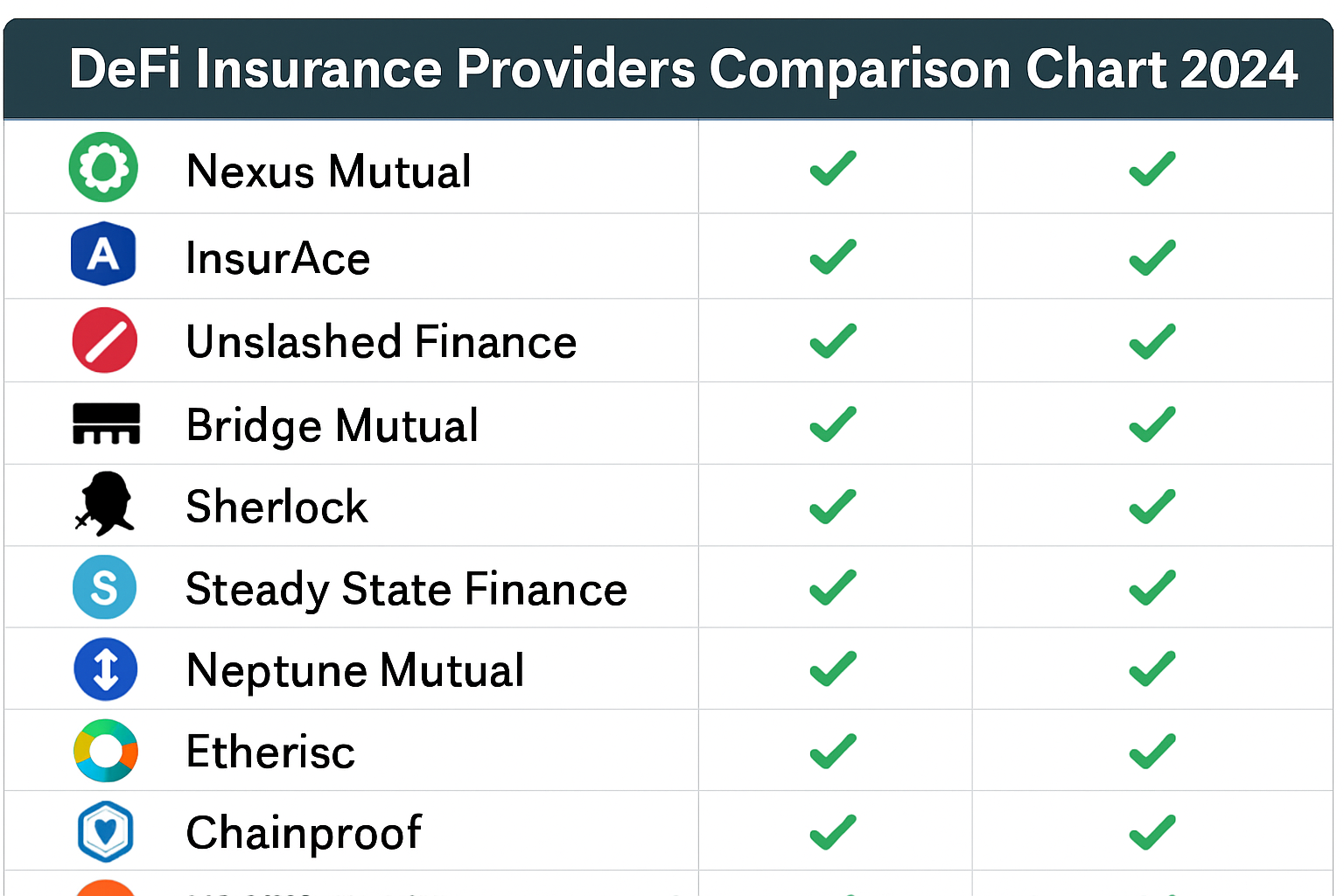
This guide breaks down the key factors and data points to consider when evaluating the top 11 DeFi insurance providers specializing in smart contract exploit coverage: Nexus Mutual, InsurAce, Unslashed Finance, Bridge Mutual, Sherlock, Steady State Finance, Neptune Mutual, Etherisc, Chainproof (by Quantstamp), Y2K Finance, and Solace.
Why Smart Contract Exploit Insurance Matters More Than Ever
The past year saw billions lost due to protocol hacks and economic attacks, often despite audits or formal verification. Even the most robust code can harbor hidden flaws. Decentralized insurance models now offer a way for users to hedge against these risks while minimizing reliance on centralized intermediaries. According to recent research from CoinLaw and IMA Financial Group, decentralized insurance can reduce administrative costs by up to 40% compared to traditional insurers.
Major players like Nexus Mutual and InsurAce have led the way with multi-chain coverage options and innovative pricing models. Meanwhile, specialized protocols such as Bridge Mutual focus on cross-chain bridge exploits, a growing attack vector in 2024, while others like Sherlock combine audit services with insurance for comprehensive protection.
The Core Criteria: How to Compare DeFi Insurance Providers
No two DeFi insurance protocols are identical. When comparing providers for smart contract exploit coverage, focus on these critical dimensions:
- COVERAGE SCOPE: Does the policy protect against only smart contract bugs or also include governance attacks, stablecoin depegs, or custodial risks? For example, InsurAce offers both smart contract and stablecoin depeg protection across multiple chains.
- CLAIM SUCCESS RATE: This metric reflects how reliably claims are paid out after incidents. In 2024, Bridge Mutual leads with a 97% success rate; Unslashed Finance is close behind at 91%, while Nexus Mutual offers strong reliability at 89%.
- PREMIUM COSTS: Annual premiums vary widely, from as low as 1.5% (Unslashed) up to over 8% (Bridge Mutual). Consider your portfolio size and risk tolerance when weighing cost versus coverage.
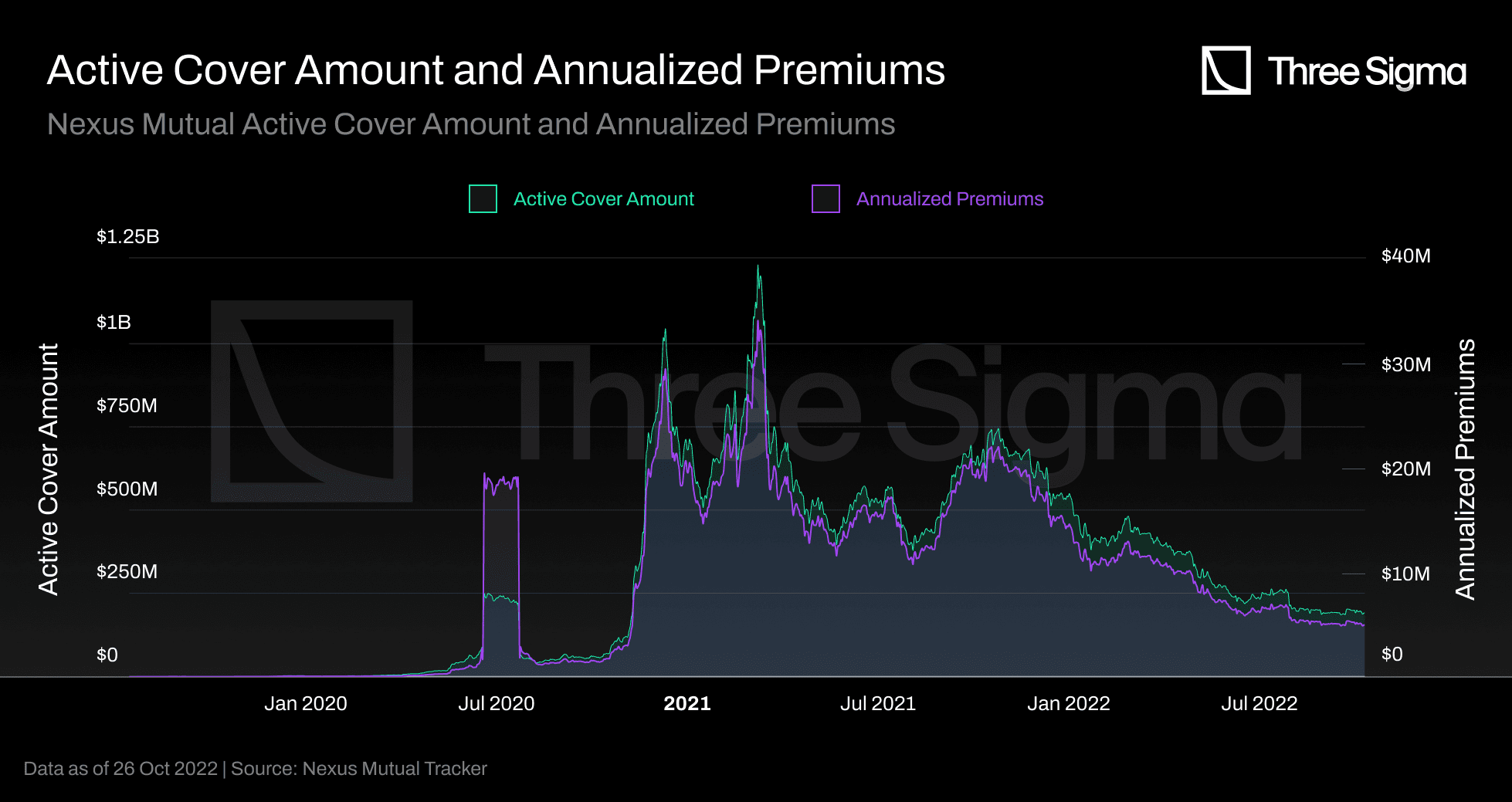
- CAPITAL BACKING: The larger the capital pool backing policies (e. g. , $1.2 billion for Nexus Mutual), the greater the confidence that claims will be paid even during systemic events.
- CLAIM PROCESSING TIME: After an exploit event, time is money. Bridge Mutual boasts industry-leading claim times of just 1-4 days; other top providers typically process claims within one to two weeks.
Comparison of Top 11 DeFi Insurance Providers for Smart Contract Exploit Coverage (2024)
| Provider | Coverage Scope | Claim Success Rate | Annual Premium Range | Capital Backing | Claim Processing Time |
|---|---|---|---|---|---|
| Nexus Mutual | Smart contracts, custodial risks | 89% | 2.4% - 6.5% | $1.2 billion | 5-14 days |
| InsurAce | Multi-chain (smart contracts, stablecoin de-pegging) | Not specified | Cost-effective, innovative pricing | Not specified | 7-14 days |
| Unslashed Finance | Smart contracts, governance | 91% | 1.5% - 4.8% | $560 million | 7-10 days |
| Bridge Mutual | Cross-chain bridges | 97% | 3.5% - 8.2% | $320 million | 1-4 days |
| Sherlock | Smart contract audits, exploit coverage | Not specified | Not specified | Not specified | Not specified |
| Steady State Finance | Smart contract exploit coverage | Not specified | Not specified | Not specified | Not specified |
| Neptune Mutual | Protocol cover, smart contracts | Not specified | Not specified | Not specified | Not specified |
| Etherisc | Parametric DeFi insurance | Not specified | Not specified | Not specified | Not specified |
| Chainproof (by Quantstamp) | Smart contract insurance, audits | Not specified | Not specified | Not specified | Not specified |
| Y2K Finance | Stablecoin depeg, protocol risks | Not specified | Not specified |
The Leading Platforms at a Glance
The following table summarizes key metrics for several of the top platforms:
- See our full breakdown of all top DeFi exploit insurers here
- Compare Nexus Mutual vs InsurAce vs Unslashed head-to-head
- Learn how DeFi exploit insurance actually works in practice
Nexus Mutual remains one of the most established names with deep capital reserves and broad protocol support. InsurAce stands out for its multi-chain flexibility and cost-effective premiums, especially attractive for diversified portfolios operating across Ethereum L2s or alternative chains. Unslashed Finance appeals to more price-sensitive users without sacrificing reliability or speed of claims processing.
You’ll also find highly specialized options among this year’s leaders: Bridge Mutual addresses cross-chain bridge exploits, a fast-growing threat vector, while Sherlock’s unique blend of audit services plus insurance is gaining traction among DAO treasuries prioritizing proactive risk management.
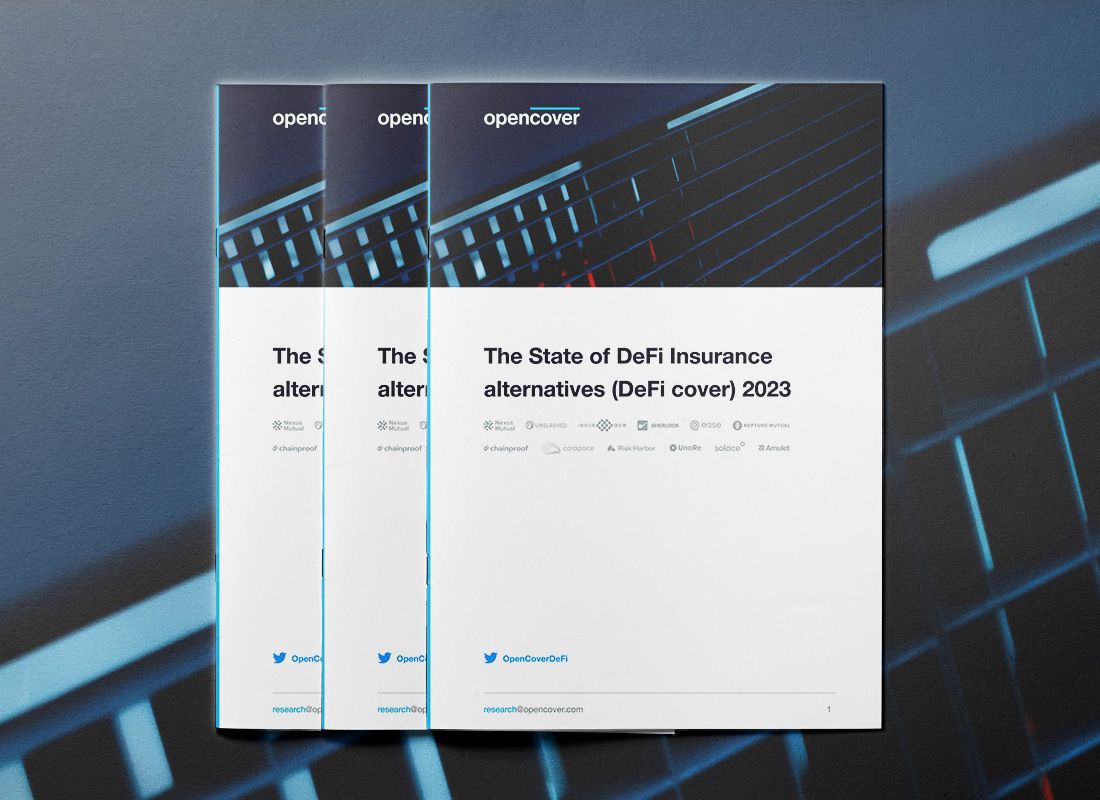
Beyond the headline names, several emerging providers are carving out niches that may appeal to users with specific risk profiles or protocol exposures. Steady State Finance and Neptune Mutual are focusing on scalable, capital-efficient risk pools designed for protocols seeking embedded insurance solutions. Etherisc, meanwhile, leverages parametric triggers, automated claim payouts based on on-chain events, to minimize disputes and accelerate compensation.
Chainproof (by Quantstamp) brings a security-audit-first approach, targeting institutional DeFi participants who require both technical due diligence and robust exploit protection. Y2K Finance and Solace, while newer to the scene, are innovating with modular coverage options and flexible user interfaces, aiming to democratize access to DeFi insurance for smaller investors and retail users.
Making Your Decision: Practical Steps for 2024
The optimal provider will depend on your unique risk exposure, asset allocation, and operational needs. Here’s a practical approach:
- Map Your Risks: List all DeFi protocols you interact with, lending platforms, DEXs, bridges, and identify which smart contract exploits or depeg scenarios pose the greatest threats.
- Narrow Down by Coverage: Use provider documentation or dashboards to confirm which protocols each insurer covers. For example, not all insurers protect against cross-chain bridge exploits or stablecoin depegs.
- Compare Financials: Review capital backing figures ($1.2 billion at Nexus Mutual vs $320 million at Bridge Mutual) and claim success rates to gauge reliability under stress.
- Assess Premiums vs Portfolio Size: Calculate annualized premium costs as a percentage of your portfolio. For high-value treasuries or DAOs, higher premiums may be justified by faster claims processing or broader coverage scope.
- User Experience and Claims Process: Test out demo claims flows if available; some providers offer streamlined web3 integrations while others rely on governance votes for payouts, impacting speed and transparency.
Top 11 DeFi Smart Contract Exploit Insurance Providers (2024)
- Nexus Mutual: A leading decentralized insurance protocol offering coverage for smart contract exploits and custodial risks. Boasts a claim success rate of 89%, capital backing of $1.2 billion, and annual premiums from 2.4% to 6.5%. Claims are typically processed within 5-14 days.

- InsurAce: Multi-chain protocol providing coverage for smart contract exploits and stablecoin de-pegging. Known for cost-effective premiums and innovative pricing. Claim processing time: 7-14 days.
- Unslashed Finance: Specializes in coverage for smart contracts and governance attacks. Features a 91% claim success rate, $560 million in capital backing, and premiums from 1.5% to 4.8%. Claims are processed in 7-10 days.

- Bridge Mutual: Focuses on cross-chain bridge exploit coverage, with a 97% claim success rate and $320 million capital backing. Premiums range from 3.5% to 8.2%. Fast claim processing: 1-4 days.
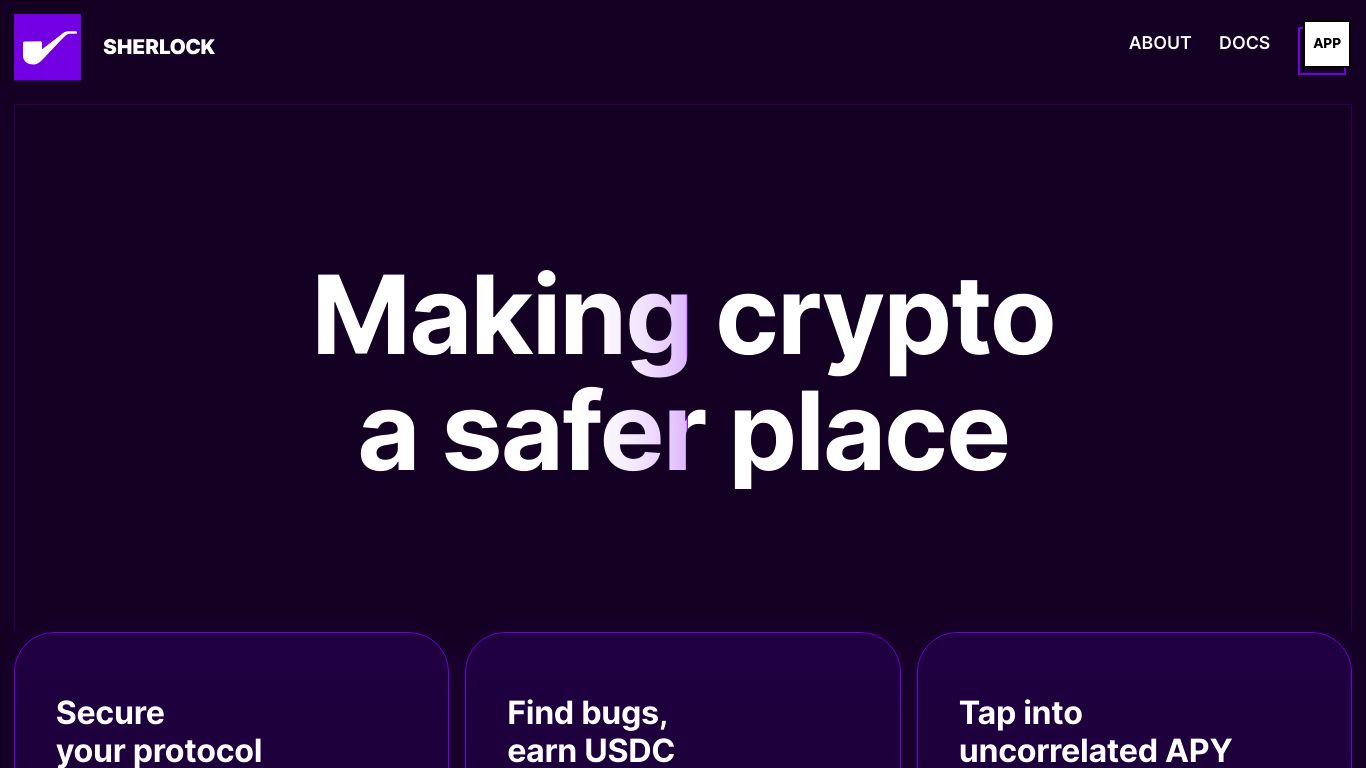
- Sherlock: Provides smart contract audit coverage and exploit insurance. Sherlock is recognized for its security-focused approach and integration with leading DeFi protocols. (Specific premium, claim rate, and capital data not disclosed.)
- Steady State Finance: Offers decentralized insurance solutions for DeFi protocols, focusing on risk pooling and dynamic pricing to enhance capital efficiency and user protection.

- Neptune Mutual: Specializes in parametric insurance for DeFi, providing instant payouts for smart contract exploit events using transparent and automated claim processes.
- Etherisc: Pioneers decentralized insurance infrastructure, allowing users to create and purchase custom policies, including smart contract exploit coverage. Known for open-source, community-driven development.

- Chainproof (by Quantstamp): Institutional-grade DeFi insurance platform backed by Quantstamp, offering regulated, audited smart contract coverage tailored for enterprises and large investors.
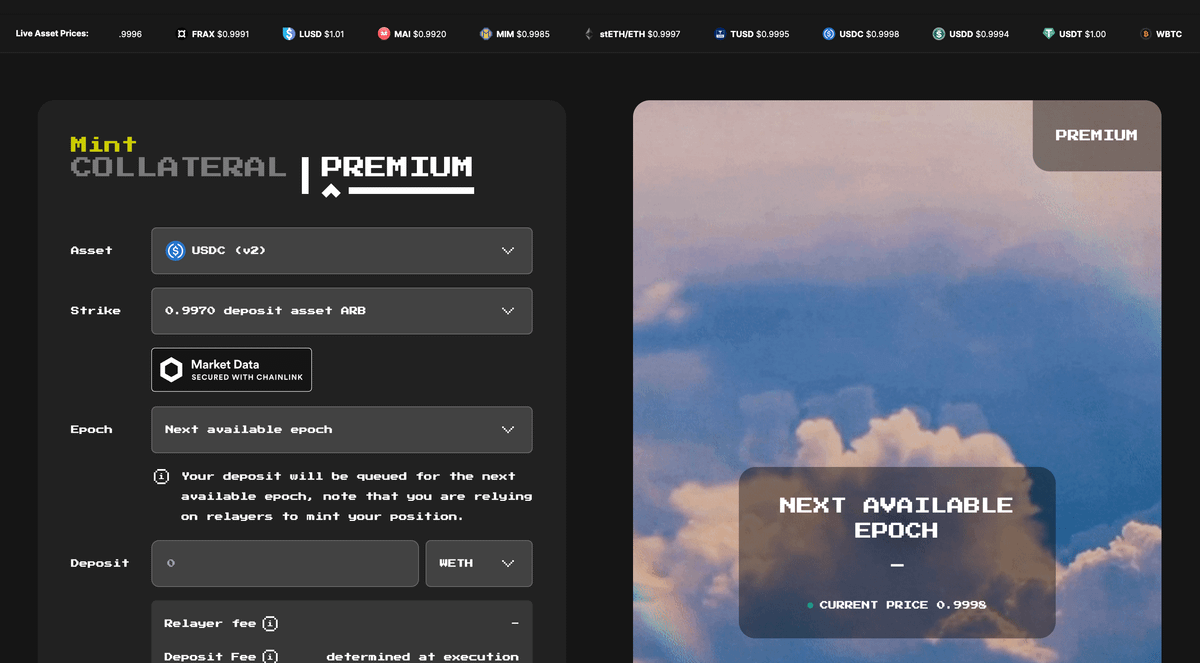
- Y2K Finance: Focuses on risk markets for DeFi events, including smart contract exploits and de-pegging incidents, using innovative vault and coverage mechanisms.
- Solace: Provides pay-as-you-go smart contract exploit insurance with automated claim assessments and a focus on user experience and transparency.

The data-driven investor should also keep an eye on evolving industry standards. As regulators scrutinize DeFi more closely in 2024-2025, providers like Chainproof, backed by established audit firms, may gain further traction among institutional users seeking compliance-ready solutions. Meanwhile, community-driven insurers such as Solace or Y2K Finance could appeal to those prioritizing decentralization and governance participation over traditional underwriting models.
What About Claims? Real-World Scenarios Matter
If you ever need to file a claim after a smart contract exploit, speed and clarity become paramount. Providers like Bridge Mutual (1-4 days) set the benchmark for rapid payouts; others may require lengthy governance processes or off-chain documentation. Always review past incident case studies when evaluating a protocol’s responsiveness, some offer detailed post-mortems that can reveal how efficiently claims were handled during major exploits.
If you’re new to this space or want a deeper dive into real-world insurance responses after major hacks, check out our dedicated guide: Case Study: The Biggest Smart Contract Exploits and How Insurance Responded.
No single provider is best for everyone. By rigorously comparing coverage scope, claims history, premium structure, capital reserves, and user experience across these top 11 platforms, Nexus Mutual, InsurAce, Unslashed Finance, Bridge Mutual, Sherlock, Steady State Finance, Neptune Mutual, Etherisc, Chainproof (by Quantstamp), Y2K Finance, and Solace, you’ll be well-positioned to mitigate risk while maximizing opportunity in an increasingly complex DeFi ecosystem.




No comments yet. Be the first to share your thoughts!