5 DeFi Yield Strategies for 2026: RWA and AI Liquidity
By 2026, DeFi yield generation has shifted from speculative liquidity mining to tangible asset backing and algorithmic stability. This section evaluates five concrete strategies leveraging Aave, Pendle, and Ethena to balance risk and return in a mature market.
1. Blue-Chip Lending on Aave and Morpho
Aave remains the foundational lending protocol, offering deep liquidity for major assets like ETH and USDC. Morpho enhances this by optimizing rates through peer-to-peer matching, often yielding slightly better returns than standard pools. This combination provides a secure, low-volatility entry point for conservative DeFi participants seeking steady, protocol-backed income without excessive complexity.
2. Stablecoin Vaults with sUSDe and USDY
Stablecoin strategies have evolved beyond simple holding. Ethena’s sUSDe combines staked ETH yields with delta-neutral hedging to generate consistent returns, while Ondo Finance’s USDY offers tokenized U.S. Treasury exposure directly on-chain. These instruments provide yield that is largely decoupled from crypto market volatility, appealing to investors seeking predictable, fiat-pegged income streams.
- Delta-neutral hedging
- On-chain treasuries
- Predictable income
3. RWA Tokenization via On-Chain Treasuries
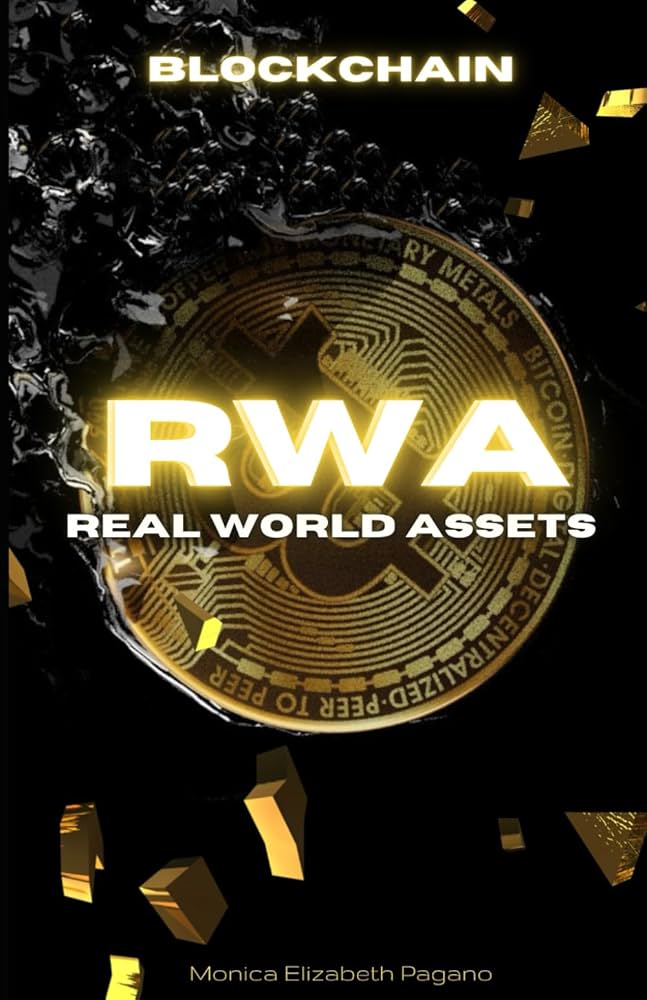
Real World Assets (RWA) bridge traditional finance with DeFi by tokenizing instruments like U.S. Treasuries. Protocols now allow direct on-chain ownership of these assets, offering yields derived from government bond interest rates. This strategy provides a tangible, regulatory-compliant yield source that benefits from the stability of traditional markets while maintaining the liquidity and transparency of blockchain technology.
4. AI-Driven Liquidity on Pendle
Pendle Finance enables the tokenization of yield-bearing assets, allowing users to trade future yields separately from principal. AI-driven strategies on Pendle optimize liquidity provision by dynamically adjusting positions based on market data and yield curves. This approach captures value from interest rate fluctuations, offering sophisticated investors a way to monetize yield volatility rather than just holding passive assets.

5. Curated Vaults from Gauntlet and Steakhouse
Gauntlet and Steakhouse Labs offer curated vaults that manage complex DeFi strategies autonomously. These vaults combine multiple protocols and risk parameters to maximize risk-adjusted returns. By leveraging expert modeling and automated rebalancing, they provide a hands-off approach to yield farming, suitable for investors who want professional-grade strategy execution without managing individual protocol interactions.
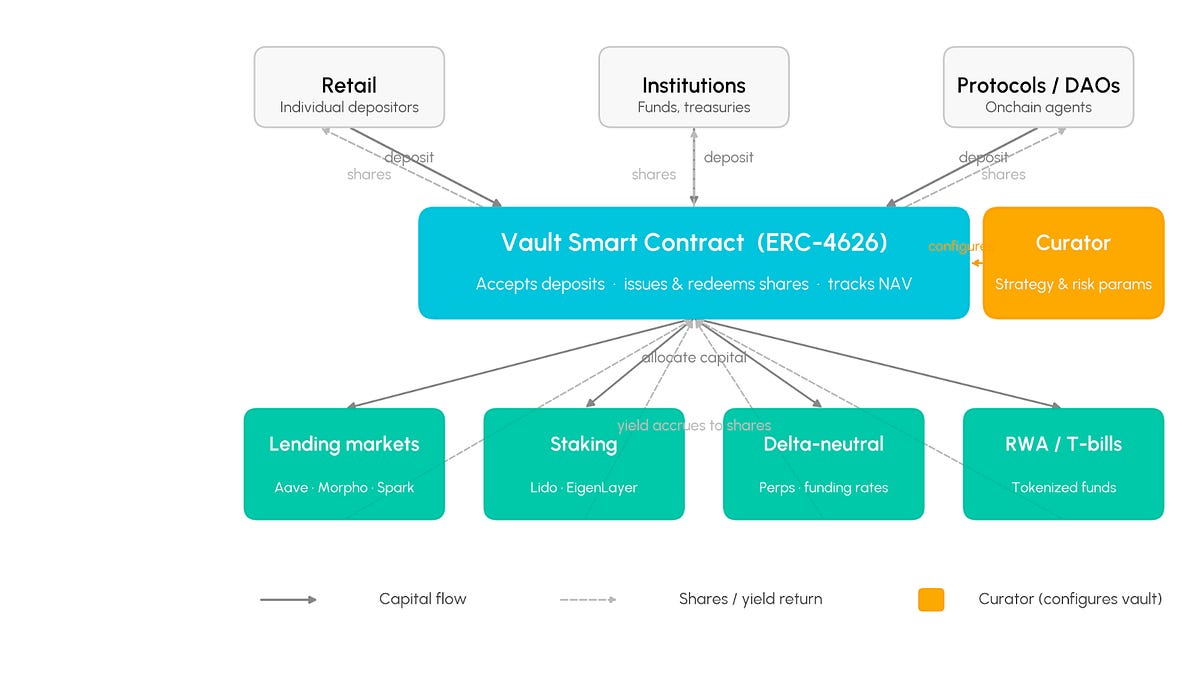
DeFi yield 2026: The shift to real yield
The speculative inflation rewards that defined previous crypto cycles have largely evaporated. In 2026, the market has pivoted toward sustainable, "real yield" strategies driven by institutional adoption and the tokenization of real-world assets (RWA). Investors are no longer chasing points for future airdrops; they are seeking predictable income generated from actual economic activity, such as treasury bills, private credit, and stablecoin borrowing.
This transition is anchored by three major protocols that have successfully integrated traditional finance mechanics into decentralized frameworks. Aave has become the primary venue for institutional-grade lending, where yields are derived from the borrowing interest paid by hedge funds and market makers. Pendle Finance has revolutionized fixed-income trading, allowing users to separate and trade the principal and yield components of RWA tokens, thereby providing liquidity to what was previously an illiquid market.
Ethena continues to dominate the stablecoin sector by generating yield through delta-neutral hedging. By holding spot stablecoins and shorting perpetual futures, Ethena captures funding rates paid by leveraged long positions. This mechanism provides a yield source that is less dependent on volatile token inflation and more tied to the broader crypto market's leverage cycles. These products represent the core of the current yield landscape, offering transparency and resilience in a post-inflation era.
DeFi Yield 2026: Risk and Security
DeFi yield strategies in 2026 are a toolkit for generating predictable income in crypto, but they carry inherent smart contract risks. Even established protocols operate in an environment where code vulnerabilities can lead to total loss. Understanding these risks is essential before allocating capital.
The average yield for DeFi protocols ranges between 3% and 10% APY, though temporary incentive campaigns can push rates higher. These elevated yields often reflect higher risk or temporary market conditions. Never assume high returns are sustainable or guaranteed.
Security is not optional. Always use hardware wallets for large holdings and review official audit reports before interacting with new protocols. Diversify across multiple reputable platforms to mitigate the impact of any single point of failure.
Frequently asked: what to check next
What is the average yield of a DeFi protocol?
Average yields vary significantly based on the asset and risk profile. Stablecoin strategies on platforms like Aave or Ethena typically offer 3% to 10% APY, driven by borrowing demand and protocol fees. Real yield strategies, such as those found on Pendle, can occasionally reach higher rates during periods of strong liquidity demand, but these rates are volatile and never guaranteed.
Is Ethereum a good investment in 2026?
Ethereum remains the primary settlement layer for most DeFi yield strategies. While price predictions vary, the network's dominance in tokenized real-world assets (RWA) and AI-driven liquidity pools supports its long-term utility. Investors should focus on yield generation mechanisms rather than speculative price targets, as the ecosystem's value is tied to transaction volume and staking demand.
How do I choose between Aave, Pendle, and Ethena?
Your choice depends on your risk tolerance and yield source. Aave is best for low-risk, stablecoin lending. Ethena offers synthetic dollar yields backed by staked ETH and hedging positions. Pendle allows you to trade future yield, ideal for those who want to lock in rates or speculate on yield volatility. Each platform serves a distinct purpose in a diversified 2026 portfolio.
No comments yet. Be the first to share your thoughts!