DeFi RWA tokenization in 2026
By 2026, real-world asset (RWA) tokenization has moved past the experimental phase into core institutional finance. The narrative has shifted from theoretical blockchain innovation to practical, yield-generating infrastructure that operates in sync with traditional markets. This convergence is not just about digitizing assets; it is about creating liquid, compliant channels for capital that were previously locked behind regulatory friction.
Institutional finance is now driving this wave, bringing capital efficiency and regulatory clarity to DeFi protocols. The result is a market where tokenized treasuries, real estate, and private credit offer predictable yields with on-chain transparency. For investors, this means accessing traditional asset classes with the speed and programmability of digital finance, but without the usual custodial bottlenecks.
However, navigating this landscape requires a clear understanding of the tradeoffs. While the potential for higher yields exists, the integration of real-world legal structures introduces new compliance layers. Success in 2026 depends on selecting protocols that prioritize regulatory alignment and asset backing over speculative growth. The following sections break down the most viable strategies for participating in this maturing market.
RWA tokenization strategies for 2026
Real-world asset (RWA) tokenization has shifted from experimental blockchain innovation to a core component of institutional finance in 2026. The market has matured, with over $33.5 billion in tokenized assets sitting on-chain, excluding stablecoins. This growth represents a 400% increase since early 2025, driven by regulatory clarity and institutional demand for yield. However, not all RWA strategies are created equal. The tradeoffs between liquidity, regulatory safety, and yield potential are distinct and require careful evaluation. Investors must weigh the benefits of traditional asset backing against the complexities of smart contract risk and market fragmentation.
Liquidity vs. Lock-Up Periods
Tokenized assets often face liquidity constraints that differ significantly from traditional securities. While secondary markets are growing, they remain fragmented across multiple blockchains and platforms. Assets like private credit or real estate tokens may have longer lock-up periods compared to liquid equities. This illiquidity premium can offer higher yields but limits the ability to exit positions quickly during market stress. Investors should assess the depth of the secondary market for specific RWA types before committing capital.
Regulatory Safety vs. Yield Potential
Regulatory compliance is a major differentiator in the 2026 RWA landscape. Tokenized assets issued under clear regulatory frameworks, such as those in the EU or US, offer greater safety but often come with lower yields. Conversely, assets issued in less regulated jurisdictions may offer higher returns but carry increased legal and operational risks. The tradeoff here is between the certainty of legal recourse and the potential for higher, albeit riskier, returns. Investors must evaluate the jurisdictional risk and the robustness of the issuer's compliance infrastructure.
Smart Contract Risk vs. Traditional Counterparty Risk
RWA tokenization introduces smart contract risk, which is distinct from traditional counterparty risk. While the underlying asset may be secure, the code governing its transfer and yield distribution can contain vulnerabilities. Traditional finance relies on established legal entities and custodians, whereas DeFi RWA relies on code and decentralized protocols. The tradeoff involves evaluating the audit history and security track record of the protocol against the financial strength and reputation of the traditional counterparty. A highly audited protocol may still face novel exploits, while a traditional counterparty may face bankruptcy or fraud.
Market Fragmentation vs. Interoperability
The RWA market is currently fragmented across various blockchains, including Ethereum, Polygon, and specialized chains. This fragmentation can limit interoperability and increase the complexity of managing multi-chain portfolios. While it allows for specialized solutions, it also creates silos of liquidity. Investors must consider the costs and risks associated with bridging assets between chains. The tradeoff is between the benefits of specialized chain features and the inefficiencies of cross-chain transfers. A unified standard for RWA tokenization could reduce these friction points in the future.
| Factor | Traditional Finance | RWA Tokenization | Key Tradeoff |
|---|---|---|---|
| Liquidity | High, established markets | Variable, fragmented secondary markets | Speed of exit vs. yield premium |
| Regulatory Clarity | Well-defined, legal recourse | Evolving, jurisdiction-dependent | Safety vs. higher potential returns |
| Counterparty Risk | Financial institutions, custodians | Smart contracts, protocol code | Legal protection vs. code audit history |
| Market Access | Institutional barriers, high minimums | Lower barriers, fractional ownership | Exclusivity vs. democratized access |
Evaluate RWA Tokenization and Yield Strategies in 2026
Real-world asset (RWA) tokenization has transitioned from experimental blockchain innovation to a core component of institutional finance. In 2026, DeFi protocols and traditional finance infrastructure are operating in sync, offering yield strategies that combine the liquidity of decentralized finance with the stability of real-world collateral. Navigating this landscape requires a disciplined approach to risk and regulatory compliance.
Use the following decision framework to select the most appropriate yield strategy for your portfolio. Each step addresses a critical dimension of the 2026 RWA ecosystem, ensuring your choices align with both your risk tolerance and the evolving regulatory environment.
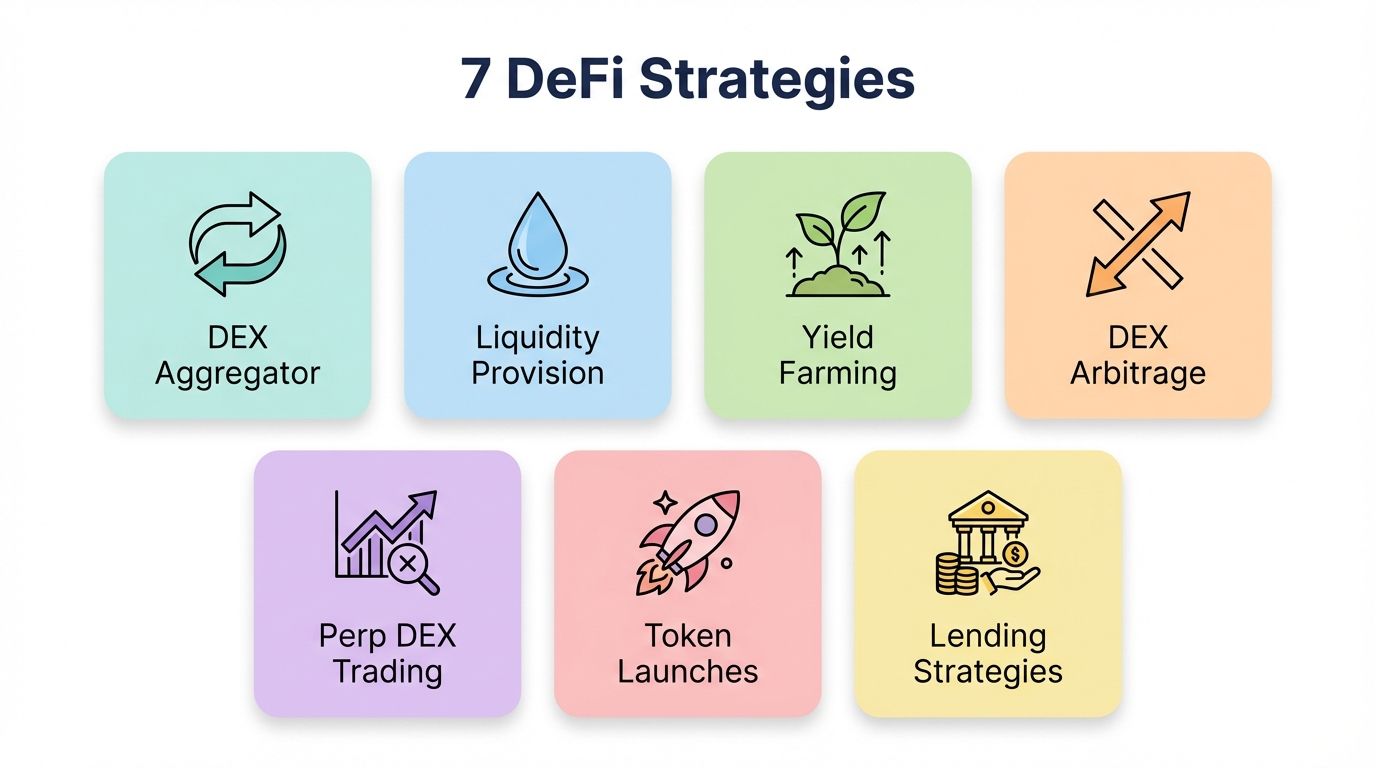
Start by confirming that the RWA issuer and the underlying protocol are registered with relevant financial authorities. In 2026, regulatory clarity is the primary differentiator between sustainable yield and speculative risk. Prioritize platforms that publish audited legal opinions and maintain transparent relationships with central banks or financial regulators, as these entities are now actively integrating RWA tokenization into their reporting systems.
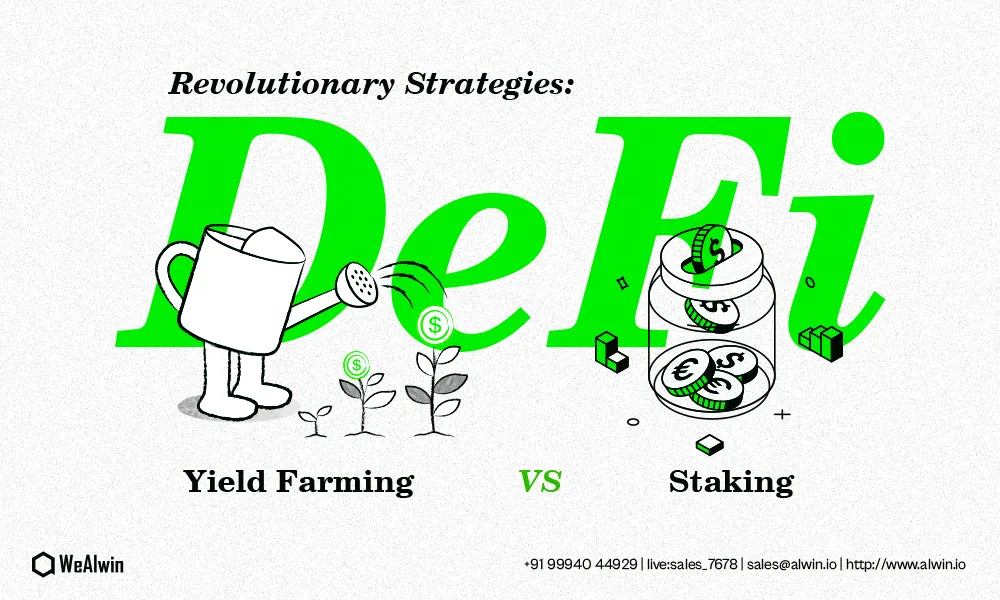
Examine the underlying asset backing the tokenized yield. High-quality RWAs include short-term government bonds, trade finance receivables, and real estate with verified property titles. Avoid strategies that rely on unverified or illiquid assets. The value of your yield is directly tied to the stability of the real-world asset; ensure the collateral is regularly audited and that the redemption mechanism is legally enforceable in the asset's jurisdiction.
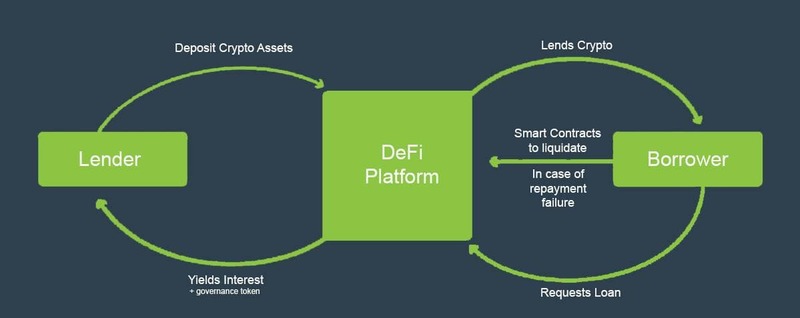
DeFi yield strategies often promise high returns, but liquidity is the true constraint. Evaluate how quickly you can exit the position without significant slippage. In the 2026 RWA market, look for protocols that offer secondary marketplaces or institutional-grade liquidity pools. A strategy is only viable if you can convert your tokenized assets back to stablecoins or fiat during periods of market stress, so test the exit path before committing capital.
Gross APY figures are often misleading. Subtract all protocol fees, gas costs, and potential tax liabilities from the projected yield. In many jurisdictions, RWA tokenization triggers specific tax events upon token transfer or redemption. Use a net-yield calculator to determine the actual return on investment. A lower gross yield with lower fees and favorable tax treatment often outperforms a high-gross strategy burdened by hidden costs and regulatory penalties.


As an Amazon Associate, we may earn from qualifying purchases.
Spotting Weak RWA Yield Plays
As Real-World Asset (RWA) tokenization moves from experimental blockchain projects to core institutional finance, the yield landscape is shifting. In 2026, protocols claiming "institutional-grade" returns often mask structural risks. You need to separate genuine yield from misleading marketing.
1. The Liquidity Illusion
Many RWA tokens promise daily redemptions, but the underlying assets—such as private credit or real estate—are illiquid. If the issuer cannot sell the asset quickly, you may face redemption gates or significant discounts. Always check the asset's secondary market depth before committing capital.
2. Double-Dipping Fees
Some platforms layer management fees, performance fees, and on-chain gas costs on top of the base yield. A 12% APY might look attractive, but after fees, your net return could drop below traditional Treasury bills. Calculate the net annual percentage yield (APY) using the protocol's fee schedule, not the advertised headline number.
3. Regulatory Arbitrage Risks
Platforms operating in regulatory gray zones may offer higher yields by bypassing compliance costs. However, this exposes you to potential freeze orders or asset seizures if regulators tighten rules. Stick to protocols with clear legal opinions and registered entities to avoid sudden, irreversible losses.
Defi rwa tokenization 2026: what to check next
Real-world asset (RWA) tokenization has moved past the experimental phase. In 2026, the market holds over $60 billion across 7,000+ products, driven by institutional adoption and clearer regulatory frameworks. This section addresses the practical hurdles remaining for yield seekers.
Are RWAs safe for DeFi yields?
Safety depends on the underlying asset. Tokenized U.S. Treasuries offer the highest security, backed by direct custodial claims. Other assets, like private credit or real estate, carry higher default risks. Always verify the legal structure of the token and the auditor’s reputation before committing capital.
How do regulations affect yield stability?
Regulatory clarity in 2026 has stabilized yields by reducing legal uncertainty. Protocols compliant with MiCA and U.S. guidelines face less risk of sudden shutdowns. However, compliance costs can slightly lower net yields compared to unregulated DeFi pools. The trade-off is operational resilience.
What are the main liquidity risks?
RWAs are less liquid than native crypto assets. Redemption windows often exist, meaning you cannot exit instantly during market stress. Additionally, secondary markets for tokenized assets are still developing. Ensure you understand the lock-up periods and redemption mechanisms before investing.
Which RWAs offer the best risk-adjusted returns?
Tokenized government bonds and short-term commercial paper currently offer the most reliable risk-adjusted returns. While higher-yielding options exist in private credit, they come with significant credit risk. For most DeFi participants, diversified exposure to tokenized treasuries provides a stable baseline in 2026.
No comments yet. Be the first to share your thoughts!