


Tokenized liquidity insurance markets are rapidly reshaping the landscape of DeFi risk coverage in 2025. As decentralized finance continues its explosive growth, with the global DeFi market projected to expand at a CAGR of 81% from 2025-2029, the need for robust and transparent insurance solutions has never been more acute. The integration of blockchain-native insurance protocols with real-world asset (RWA) tokenization is redefining how users, protocols, and institutions manage risk exposure in a sector traditionally plagued by smart contract exploits and stablecoin depegs.

Decentralized Insurance Protocols: Customization Meets Automation
The emergence of decentralized insurance platforms like Tidal Finance and Risk Harbor marks a pivotal shift toward customizable, trustless coverage. Tidal enables the creation of bespoke insurance pools where users can underwrite or purchase protection against smart contract failures, exchange hacks, or token loss. Its pool-based model aligns incentives across liquidity providers and insured parties, leveraging transparent on-chain data for pricing and claim assessment.
Risk Harbor advances this paradigm with automated market makers that dynamically price risk and offer parametric DeFi coverage. Instead of subjective claims processes, payouts are triggered automatically based on predefined criteria such as oracle-reported price feeds or contract events. This approach slashes settlement times from weeks to minutes while minimizing human intervention – a critical innovation for real-time DeFi insurance.
Tokenized Real-World Assets: Anchoring DeFi Portfolios
The fusion of RWA tokenization with decentralized insurance is one of 2025’s most significant trends. Platforms such as MakerDAO’s RWA vaults and Centrifuge’s Tinlake now allow investors to collateralize loans or earn yield using tokenized U. S. Treasury bills, corporate bonds, or real estate cash flows. As of October 2025, the total value locked in tokenized RWAs reached approximately $33 billion.
This influx of off-chain assets provides two key benefits for DeFi risk management:
- Diversification: Tokenized RWAs reduce systemic crypto risk by introducing non-correlated yield streams.
- Stability: Insurance pools backed by real-world cash flows can weather crypto-specific shocks (e. g. , stablecoin depegs) more effectively than purely digital reserves.
Notably, institutional giants like BlackRock and JPMorgan have begun issuing tokenized money market funds on permissioned chains – reflecting not just technical feasibility but regulatory acceptance as well.
Institutional Adoption and Regulatory Clarity Fueling Growth
The exponential rise in institutional engagement with tokenized liquidity insurance markets stems from two converging forces: regulatory clarity and demand for compliant risk tools. Standard Chartered forecasts that tokenized RWAs could reach $2 trillion in capitalization by 2028 – rivaling the size of the entire stablecoin sector. This scale signals that decentralized coverage models are no longer fringe experiments but core infrastructure for both crypto-native and traditional financial players.
At DAW London 2025, panels highlighted how digital custody advances and improved securities servicing are making it easier for large asset managers to participate in on-chain reinsurance pools or provide underwriting capital directly via smart contracts. For an in-depth look at how these pools deliver real yield transparently to both investors and insurers, see this resource.
Yet, as the market matures, new challenges have emerged around liquidity and secondary trading of insurance tokens. Despite the technical progress of tokenization, KPMG’s 2025 analysis points out that many RWA-backed tokens still suffer from shallow order books and limited participation outside core DeFi circles. This friction can delay claim settlements or reduce capital efficiency for underwriters, issues that must be solved before DeFi insurance can fully rival traditional reinsurance markets.
Protocols are responding with innovative liquidity mining incentives and cross-chain settlement mechanisms. For example, some decentralized insurance pools now reward market makers with governance tokens or a share of underwriting yield for providing deep two-sided liquidity. Others are experimenting with flash loan-enabled rebalancing, allowing insurance capital to flow instantly where coverage demand spikes, whether due to a smart contract exploit or a sudden stablecoin depeg.
Automation and Transparency: The New Standard for DeFi Risk Coverage
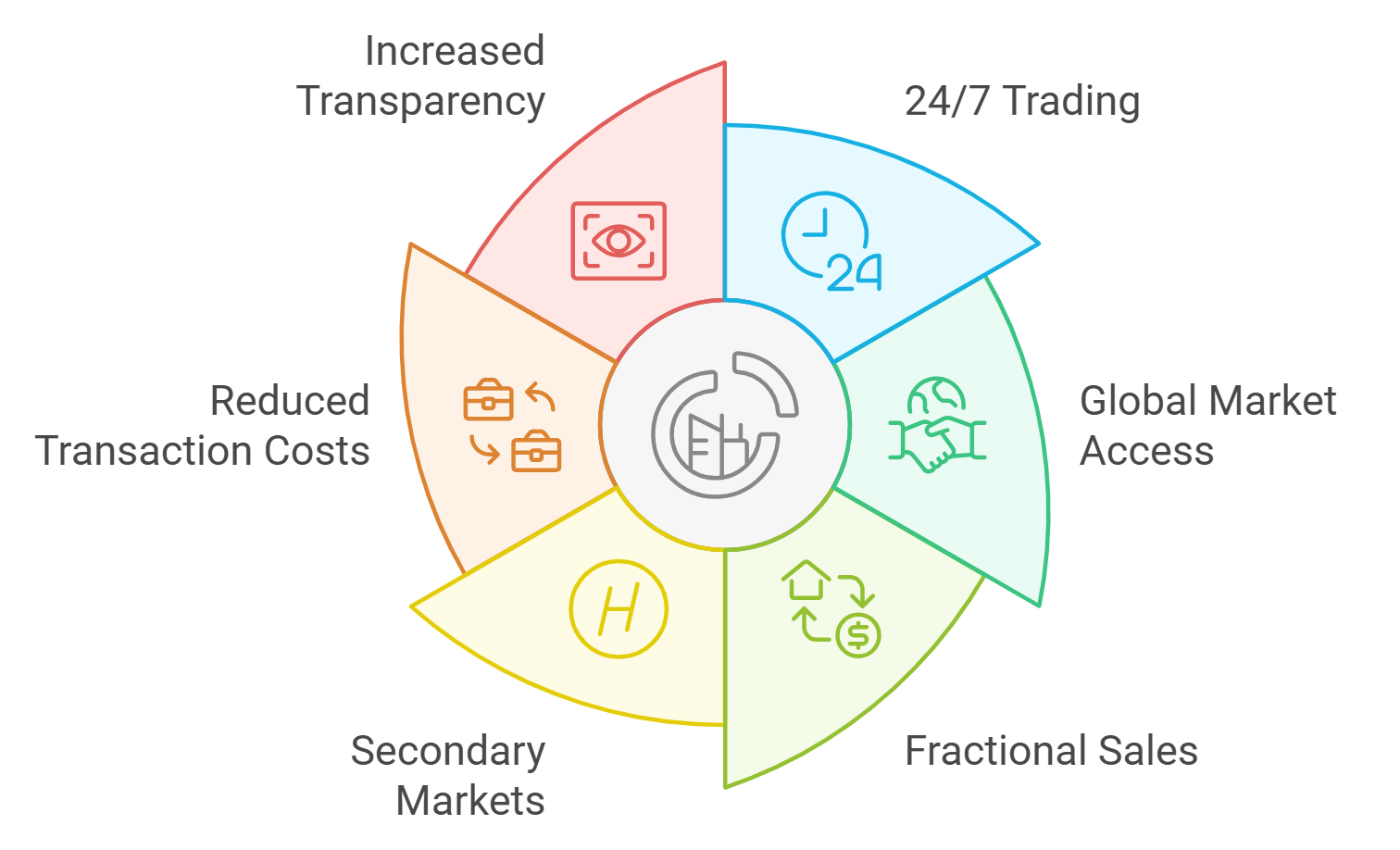
The defining feature of DeFi risk coverage in 2025 is radical transparency. All underwriting terms, claim triggers, and payout flows are encoded on-chain. Users can audit reserves in real time and verify that claims are settled according to objective, algorithmic criteria, not opaque committee decisions. This shift is especially important as institutional allocators seek auditable proof that their capital is protected by more than just code; they want process transparency and regulatory compliance baked into every transaction.
Real-time DeFi insurance also means faster response to black swan events. During the Q1 2025 downturn, when DEX volumes fell by 18.9% and wallet creation dropped 22%: protocols with robust parametric coverage were able to settle claims within minutes, restoring user confidence while centralized providers lagged behind. This agility is winning over not just crypto-native projects but also fintechs and asset managers looking for programmable risk transfer options.
What’s Next: Scaling Up DeFi Insurance Innovation
The next wave of growth will likely come from improved interoperability between tokenized insurance protocols and broader financial infrastructure. Expect to see integrations with digital custody solutions, on-chain credit scoring, and even AI-powered risk assessment engines that dynamically price coverage based on evolving smart contract vulnerabilities or macroeconomic data.
There’s also growing interest in tokenized reinsurance pools, which enable insurers themselves to hedge exposure by pooling risk across multiple protocols or geographies, a structure familiar to traditional finance but now executed transparently via smart contracts.
Ultimately, tokenized liquidity insurance markets are not just a niche product, they’re rapidly becoming foundational infrastructure for the entire decentralized economy. As technical barriers fall and market participation broadens, expect these innovations to set new standards for how financial systems manage risk: automated, auditable, and accessible to anyone with an internet connection.
About the Author