

AI is ripping through DeFi smart contracts like a hot knife through butter, spotting exploits faster than any human auditor ever could. Tools like the Pashov audit AI tool are lighting up Twitter with users reporting fresh AI smart contract vulnerabilities, while benchmarks show specialized agents nailing 92% of real-world DeFi exploits. But here’s the kicker: when these bugs blow up, who’s covering your assets? DeFi insurance for smart contract exploit coverage is surging, yet most protocols still fly uninsured. In Q1 2026 alone, claims hit $412 million – a 340% jump – with 62% tied to code flaws like reentrancy and logic errors.

Traders, this isn’t hype. Premiums spiked 45% on average, squeezing smaller teams, while $120-160 billion in DeFi TVL sits exposed – 95-98% uninsured. Nexus Mutual, InsurAce, and others are stepping up with policies tailored for these AI-detected threats, but coverage gaps remain wide open.
AI Detection Tools Outpace Human Audits in DeFi
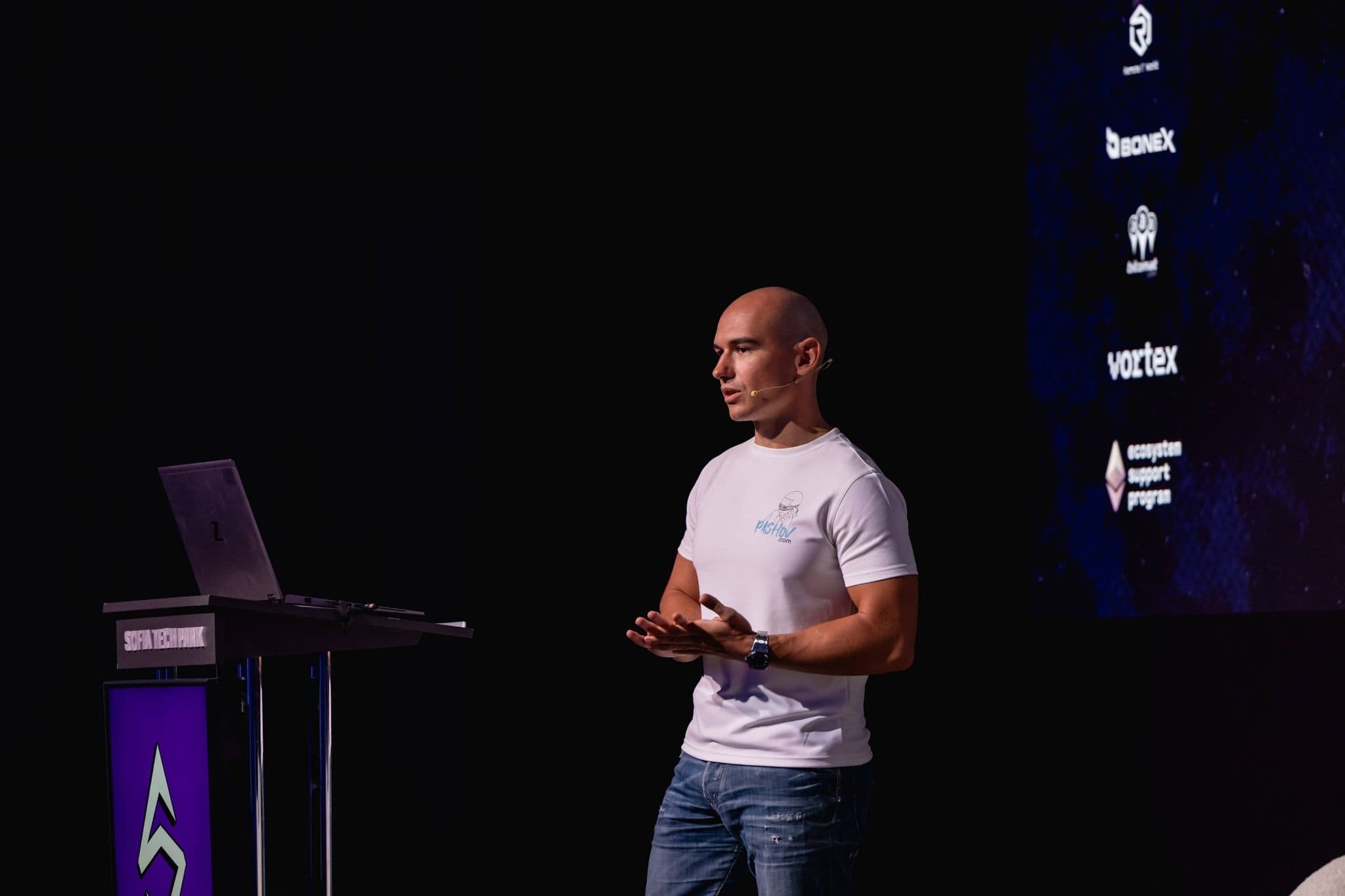
Pashov Audit Group’s new AI security tool has users buzzing on X, claiming discoveries of critical flaws in live contracts. It’s not alone: a purpose-built AI agent crushed 92% detection rates on exploited DeFi protocols per CoinDesk benchmarks, leaving general coding LLMs in the dust. Anthropic’s agents even unearthed $4.6 million in potential exploits, including unprotected read-only functions ripe for token inflation.

Bankless warns AI is advancing dangerously good at this, hitting 70% on exploits, while EVMbench tests show 72% end-to-end success in exploiting real vulns. Domain-specific AIs outperform generics across the board. For DeFi users, this means proactive scans via tools like Pashov could flag risks before attackers pounce – but insurance is the real backstop when prevention fails.
Q1 2026 Claims Tsunami Highlights Coverage Gaps
DeFi insurance protocols processed $412 million in claims last quarter, up 340% from prior. Smart contract vulnerabilities drove 62%, dominated by reentrancy and logic slips. This explosion forced 45% premium hikes, hitting affordability hard. Nexus Mutual, InsurAce, Armor. fi, Sherlock Protocol, and Bridge Mutual now shield over $8.2 billion in policies, focusing on DeFi insurance exploits including AI-flagged ones.
Yet the market’s data-starved: with $120-160 billion TVL, nearly all remains uninsured. Protocols must adapt fast – integrating AI scans into underwriting could slash false positives and tighten risk models. Traders stacking yield on uninsured pools? You’re playing with fire in this AI arms race.
Top Protocols Tackling AI-Spotted Smart Contract Risks
Nexus Mutual leads the pack, pioneering on-chain coverage for smart contract failures with community-voted risk assessments. Their policies explicitly back exploits like those Pashov flags, covering up to millions per incident. InsurAce follows close, offering parametric payouts for verified vulns – no lengthy claims process. Both have ramped up for AI-detected threats, recognizing tools like EVMbench expose flaws humans miss.
Armor. fi brings modular protection, stacking smart contract exploit coverage with phishing safeguards – crucial as approval phishing spikes alongside AI audits. Sherlock Protocol gamifies security via liquidity pools funding covers, rewarding stakers on safe protocols while insuring against Pashov-style finds.
Bridge Mutual closes the top five, delivering straightforward, multi-chain coverage with a focus on bridges and high-risk contracts. Their model prioritizes quick payouts for verified exploits, making them a go-to for yield farmers chasing cross-chain opps without the drag of slow claims. These protocols – Nexus Mutual, InsurAce, Armor. fi, Sherlock Protocol, and Bridge Mutual – aren’t just insuring; they’re evolving to tackle AI smart contract vulnerabilities head-on, from Pashov tool discoveries to EVMbench benchmarks exposing 72% exploit success rates.
Side-by-Side: Picking Your Exploit Shield
Stacking these up reveals clear edges. Nexus Mutual’s crowd-sourced assessments crush centralized models, but Sherlock’s gamified pools offer yield on top of protection – double dip for aggressive traders. InsurAce parametric triggers fire fast on oracle fails or reentrancy, while Armor. fi layers in DeFi approval phishing insurance as AI audits uncover signature scams. Bridge Mutual keeps it simple for multi-chain exposure. With $8.2 billion covered collectively, they’re absorbing the Q1 claims tsunami, but premiums jumping 45% screams urgency: lock in before your pool’s next.
Top 5 DeFi Insurance Protocols Comparison for Smart Contract Exploits
| Protocol | Key Coverage (e.g., reentrancy, logic errors) | Payout Style (parametric/community) | TVL/Capacity proxy ($B) | AI Vuln Adaptation (yes/no/examples) |
|---|---|---|---|---|
| Nexus Mutual | Reentrancy, logic errors, oracle manipulation | Community | 4.2 | Yes (evolving for AI-detected exploits) |
| InsurAce | Reentrancy, flash loan attacks, logic errors | Parametric | 1.5 | Yes (AI vuln scanning partnerships) |
| Armor.fi | Smart contract failures, reentrancy, custody risks | Parametric | 1.0 | Yes (AI-powered risk assessment) |
| Sherlock Protocol | Logic errors, reentrancy, protocol-specific covers | Community | 0.9 | Yes (adapting to AI benchmarks) |
| Bridge Mutual | Bridge exploits, smart contract logic errors | Community | 0.6 | Yes (Pashov-like AI tool coverage) |
Traders, I’ve swing-traded through enough DeFi blowups to know: uninsured TVL is dead money. That $120-160 billion exposed? 95-98% naked to AI-flagged bugs like unprotected functions or token inflation plays Anthropic agents spotted. Protocols ignoring Pashov scans or 92% detection AIs are begging for a $4.6 million drain. These covers bridge the gap, but pick based on your stack – high-volume lending? Sherlock. Cross-chain bridges? Bridge Mutual.
Underwriting’s shifting too. Insurers now eye AI reports in risk pools, slashing odds on Pashov-vetted contracts. Nexus Mutual voters factor tool outputs directly, tightening spreads. Yet data deficits persist – claims data lags exploits by weeks, inflating premies. Solution? Mandate pre-deployment AI audits for discounted rates. Armor. fi’s already prototyping this, blending phishing guards with vuln scans for modular stacks.
Real Risks, Rapid Remedies: Claims in Action
Picture this: Pashov flags a logic flaw mid-yield farm. Attackers hit before patch – boom, reentrancy drains millions. InsurAce pays out parametric-style in hours, no disputes. Sherlock stakers earn regardless, as pools diversify risk. I’ve seen traders pivot from uninsured pain to covered gains, flipping exploits into edge. Q1’s 62% vuln-driven claims prove it: smart contract exploit coverage isn’t optional; it’s your momentum play in the AI arms race.
DeFi’s TVL balloons, exploits accelerate via AI scouts, but these top protocols arm you first. Nexus for community trust, InsurAce for speed, Armor. fi against phishing combos, Sherlock for yields, Bridge Mutual for chains. Dive in, assess your exposure, buy cover before the next scan lights up X. Your portfolio’s momentum depends on it – uninsured is for bagholders.
Learn how smart contract exploit insurance works Protect against Anthropic’s $4.6M AI-detected vulns
About the Author