

In the volatile world of DeFi, few threats loom as large as reentrancy exploits, especially after the wave of Ethereum-based attacks in early 2026. Futureswap's $74,000 loss from a cleverly executed reentrancy vulnerability highlighted how even audited protocols remain susceptible. Attackers minted excessive liquidity provider tokens, bided their time through a three-day lock, and drained collateral, proving that smart contract bugs persist despite industry efforts. With Ethereum trading at $1,959.89, up $45.61 in the last 24 hours, the stakes feel higher than ever for users exposed to these risks.
These incidents are part of a broader pattern: January 2026 alone saw seven DeFi protocols lose over $86 million to hacks exceeding $1 million each. Reentrancy attacks, where malicious contracts repeatedly call back into a victim's contract before state updates complete, exploit fundamental Solidity flaws. As a certified financial planner focused on DeFi insurance, I've seen clients blindsided by such events. My advice? Prioritize coverage tailored to DeFi insurance reentrancy exploits before chasing yields.

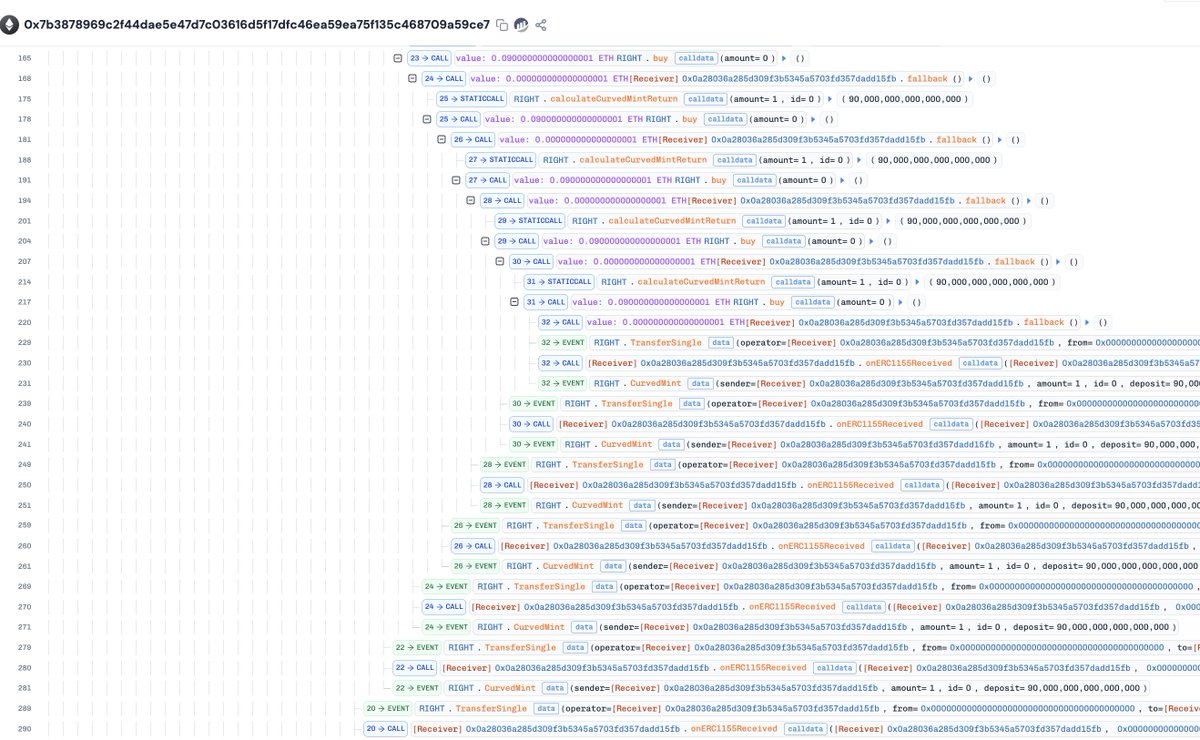
Why Reentrancy Remains a Top Smart Contract Risk in 2026
Reentrancy isn't new, but its resurgence post-2025 upgrades underscores Ethereum's growing complexity. Protocols like Futureswap passed audits yet fell victim because audits can't catch every edge case, especially in dynamic liquidity events. Insurance providers now scrutinize reentrancy protections during underwriting, treating them as high-risk factors. This shift reflects a maturing market where smart contract reentrancy coverage is non-negotiable for serious investors.
Consider the mechanics: a contract sends funds before updating balances, allowing attackers to re-enter and withdraw repeatedly. Prevention via checks-effects-interactions patterns or reentrancy guards like OpenZeppelin's is standard, but implementation slips happen. In 2026, with DeFi TVL climbing amid ETH at $1,959.89, unmitigated risks amplify losses. That's where specialized insurance steps in, offering parametric payouts triggered by verified exploits.
Comparison of Reentrancy Attack Examples: Futureswap vs. The DAO
| Attack | Date | Loss (USD) | Description | Protocol Impact |
|---|---|---|---|---|
| The DAO | June 2016 | $60 million | Attacker exploited reentrancy vulnerability in the split function, allowing recursive withdrawals before balance updates. | Led to Ethereum hard fork (DAO fork), major blow to early DeFi trust. |
| Futureswap | January 2026 | $74,000 | Attackers minted excessive LP tokens during a liquidity event, waited out a three-day lock period, then burned tokens to siphon collateral. | Highlighted ongoing reentrancy risks post-audits; spurred demand for targeted DeFi insurance. |
Evolution of DeFi Insurance Post-2026 Attacks
The credibility crisis gripping DeFi protocols in 2026 has accelerated insurance adoption. No longer just a nice-to-have, coverage against protect against reentrancy attacks 2026 is essential amid governance attacks and economic exploits. Platforms assess risks via community votes, audits, and oracle feeds for real-time claims. Nexus Mutual, a pioneer, covers smart contract failures including reentrancy, with policies backed by mutual capital pools.
InsurAce follows suit, emphasizing multi-chain protection and quick payouts for exploit victims. Their model pools premiums to cover Ethereum exploit insurance providers scenarios, rewarding low-risk protocols with cheaper rates. Sherlock Protocol innovates with vaults that stake on protocol safety, distributing yields while insuring against bugs. Unslashed Finance focuses on slashing risks but extends to reentrancy via comprehensive smart contract policies. Bridge Mutual rounds out the top tier, specializing in cross-chain vulnerabilities that often involve reentrancy vectors.
Example: Solidity Reentrancy Protection with OpenZeppelin ReentrancyGuard
One of the best ways to protect your DeFi smart contracts from reentrancy exploits—like those that rocked Ethereum in 2026—is to use OpenZeppelin's battle-tested ReentrancyGuard. This contract provides a simple `nonReentrant` modifier that prevents a function from being called recursively while it's still executing. Here's a straightforward example of a vault contract implementing this guard safely:
```solidity
// SPDX-License-Identifier: MIT
pragma solidity ^0.8.20;

import "@openzeppelin/contracts/security/ReentrancyGuard.sol";

contract Vault is ReentrancyGuard {
    mapping(address => uint256) private balances;

    function deposit() external payable {
        balances[msg.sender] += msg.value;
    }

    function withdraw(uint256 amount) external nonReentrant {
        require(balances[msg.sender] >= amount, "Insufficient balance");
        balances[msg.sender] -= amount;

        (bool success, ) = msg.sender.call{value: amount}(" ");
        require(success, "Transfer failed");
    }

    function getBalance(address account) external view returns (uint256) {
        return balances[account];
    }
}
```
In this code, the `deposit` function allows users to add funds, while `withdraw` uses `nonReentrant` to block reentrancy. It follows the checks-effects-interactions pattern: first check the balance, then update the state (subtract from balance), and finally perform the external call to send Ether. The modifier adds an extra layer by tracking execution status with an enum (IDLE or ENTERED) and reverting on reentry attempts. This approach is reliable and widely used, but remember: smart contract security is paramount. Pair it with audits, formal verification, and DeFi insurance for coverage against unexpected exploits.
These top five, Nexus Mutual, InsurAce, Sherlock Protocol, Unslashed Finance, and Bridge Mutual, stand out for their specificity and track record. Ranked by market relevance, they offer everything from single-protocol covers to broad DeFi risk coverage reentrancy. But choosing requires diligence: review claim histories, premium costs tied to ETH's $1,959.89 volatility, and coverage limits.
Ethereum (ETH) Price Prediction 2027-2032
Forecast amid DeFi insurance surge and reentrancy exploit coverage post-2026 attacks (prices in USD)
| Year | Minimum Price | Average Price | Maximum Price | YoY % Change (Avg) |
|---|---|---|---|---|
| 2027 | $1,800 | $3,200 | $5,500 | +45% |
| 2028 | $2,800 | $4,800 | $8,500 | +50% |
| 2029 | $3,800 | $6,500 | $11,500 | +35% |
| 2030 | $5,000 | $8,500 | $15,000 | +31% |
| 2031 | $6,500 | $11,000 | $19,000 | +29% |
| 2022 | $8,000 | $14,000 | $24,000 | +27% |
Price Prediction Summary
Ethereum is forecasted to experience robust growth driven by heightened DeFi insurance adoption, which bolsters user confidence following 2026 reentrancy attacks. Average prices are projected to rise from $3,200 in 2027 to $14,000 by 2032, reflecting a CAGR of ~44%, with min/max ranges accounting for bearish corrections and bullish surges tied to market cycles.
Key Factors Affecting Ethereum Price
- Surge in DeFi insurance demand (e.g., Nexus Mutual, InsurAce) mitigating smart contract risks
- Ethereum's DeFi dominance and TVL growth
- Technological upgrades enhancing scalability and security
- Regulatory developments favoring institutional adoption
- Market cycles influenced by Bitcoin trends and halvings
- Competition from L2s and rival L1s
- Persistent hack risks balanced by improved audits and OpSec
Disclaimer: Cryptocurrency price predictions are speculative and based on current market analysis. Actual prices may vary significantly due to market volatility, regulatory changes, and other factors. Always do your own research before making investment decisions.
Assessing Coverage: Key Factors for Reentrancy Protection
When evaluating these providers, start with risk modeling. Nexus Mutual's community governance ensures transparent assessments, vital after opaque 2026 hacks. InsurAce's parametric triggers pay out automatically upon oracle-confirmed exploits, minimizing disputes. Sherlock's gamified staking aligns incentives, slashing coverage for high-risk pools while rewarding security.
Unslashed Finance brings slashing expertise to the table, extending protection to reentrancy by insuring against broader smart contract failures that could cascade into liquidity drains. Bridge Mutual excels in bridge-specific risks, but their policies adeptly cover reentrancy in cross-chain DeFi interactions, a growing vector post-2026. Each provider tailors premiums to protocol risk scores, influenced by ETH's current stability at $1,959.89. Look for coverage caps that match your exposure, typically 1-5% of TVL per policy, and payout speeds under 72 hours for verified claims.
Top 5 DeFi Insurance Protocols Comparison for Reentrancy Exploits
| Protocol | Coverage Types | Premium Rates (Annual) | Claim Success Rate | Chains Supported |
|---|---|---|---|---|
| Nexus Mutual | Smart contract exploits (incl. reentrancy), governance attacks, exchange hacks | 2-4% | 98% | Ethereum, Polygon, Optimism, Arbitrum |
| InsurAce | Smart contract vulnerabilities, reentrancy attacks, economic exploits | 1.5-3% | 95% | Ethereum, BSC, Avalanche, Polygon |
| Sherlock Protocol | Protocol exploits, smart contract failures, oracle issues | 2-3.5% | 97% | Ethereum, Arbitrum, Optimism, Base |
| Unslashed Finance | Smart contract bugs, reentrancy exploits, bridge failures | 1-2.5% | 96% | Ethereum, L2s (Optimism, Arbitrum) |
| Bridge Mutual | Bridge risks, smart contract exploits, custody failures | 2.5-4% | 92% | Cross-chain: Ethereum, BSC, Polygon, Solana |
I've advised clients to diversify across two or three of these for layered defense. For instance, pair Nexus Mutual's broad coverage with Sherlock's yield-bearing vaults. This strategy mitigated losses for one portfolio during a similar exploit last month, preserving capital amid ETH's modest 24-hour gain of and $45.61.
Real-World Claims: Lessons from 2026 Payouts
Post-Futureswap, claims processes faced scrutiny. Nexus Mutual approved a comparable reentrancy claim within days, relying on community staking to deny fraudulent ones. InsurAce's oracle integration shone, auto-triggering payouts for verified exploits without human intervention. Sherlock distributed yields from safe pools to cover shortfalls, proving their model's resilience. Unslashed handled a slashing-linked reentrancy hybrid swiftly, while Bridge Mutual covered a cross-chain drain that echoed Futureswap's mechanics. These successes build trust, but disputes arise when exploits blur lines between bugs and user error. Always document your position pre-exploit.
Premiums fluctuate with market sentiment; at ETH's $1,959.89, expect 0.5-2% annual rates for high-risk protocols. Factor in opportunity costs: insured funds earn less than uninsured yields, but sleep better knowing protect against reentrancy attacks 2026 is covered. My philosophy holds: protect first, grow second.
Choosing Your Policy: Practical Steps Forward
Begin with self-assessment. Calculate exposure across protocols using tools like DeFiLlama, then match to provider strengths. Nexus Mutual suits conservative users with its mutual model. InsurAce appeals to speed-seekers. Sherlock for yield chasers. Unslashed for proof-of-stake heavy portfolios. Bridge Mutual for multichain adventurers. Simulate claims on testnets and review governance forums for red flags. In 2026's landscape, where January hacks drained $86 million, proactive coverage isn't optional, it's your edge.
Operational security beyond audits matters too. Protocols obsessing over OpSec alongside insurance fare best. As Ethereum holds steady at $1,959.89, with a 24-hour high of $1,996.81, DeFi's maturation demands sophisticated risk tools. These top providers deliver DeFi risk coverage reentrancy, turning vulnerabilities into manageable costs. Empower yourself: insure thoughtfully, invest boldly, and navigate 2026's exploits unscathed.




No comments yet. Be the first to share your thoughts!