
Stablecoins are the backbone of decentralized finance (DeFi), acting as a trusted medium of exchange and a key source of collateral for lending, trading, and yield strategies. Yet, when a stablecoin loses its peg, a scenario known as a depeg, the ripple effects can be catastrophic, triggering rapid-fire liquidations across DeFi protocols and eroding billions in user value almost overnight. In 2025 alone, over 600 stablecoin depegging events have been recorded, underscoring just how urgent it is to understand these risks and adopt robust protection strategies.
How Stablecoin Depegs Unleash Liquidation Cascades in DeFi
Let’s break down why a seemingly minor price slip in a stablecoin, say from $1.00 to $0.93, can spark an outsized crisis in DeFi markets. Most lending protocols require users to lock up collateral, often in the form of stablecoins like USDC or DAI, to borrow against it. These systems depend on accurate valuations: if your $10,000 worth of USDC suddenly becomes worth $9,300 due to a depeg event (as happened with FDUSD on April 2,2025), your position may fall below required collateralization ratios.
The result? Automated smart contracts trigger liquidations en masse to protect protocol solvency. This process dumps collateral into the market, further depressing prices and fueling a feedback loop of forced selling. The October 2025 crypto flash crash saw over $19 billion wiped out in hours as leveraged positions across multiple chains unraveled following a stablecoin scare.
Key insight: Unlike traditional banks, DeFi platforms have no deposit insurance or centralized backstop. Liquidation cascades are swift and unforgiving, making risk management essential for every participant.
Real-World Case Studies: TerraUSD and FDUSD
No discussion about depeg risk is complete without examining two notorious events:
- Terra (LUNA) Collapse: The algorithmic UST stablecoin lost its peg dramatically in 2022 when reserves proved insufficient and supply algorithms failed under stress. The resulting death spiral incinerated billions in user funds and forced protocols to rethink their reliance on algorithmic stabilizers.
- FDUSD Plunge (April 2025): When FDUSD dropped from $1.00 to $0.93 amid insolvency rumors against its issuer, panic withdrawals ensued across DeFi platforms relying on FDUSD as collateral or liquidity pairings. Liquidity pools became imbalanced within minutes, causing further slippage and compounding losses for participants who had not hedged their exposure.
If you want to dive deeper into how these real-world cases triggered cascading liquidations, and what lessons they offer for protecting your portfolio, check out this detailed analysis at Depeg Watch.
Mechanisms That Amplify Depeg Risk Across Protocols
The architecture of DeFi itself amplifies the impact of any single stablecoin losing its peg:
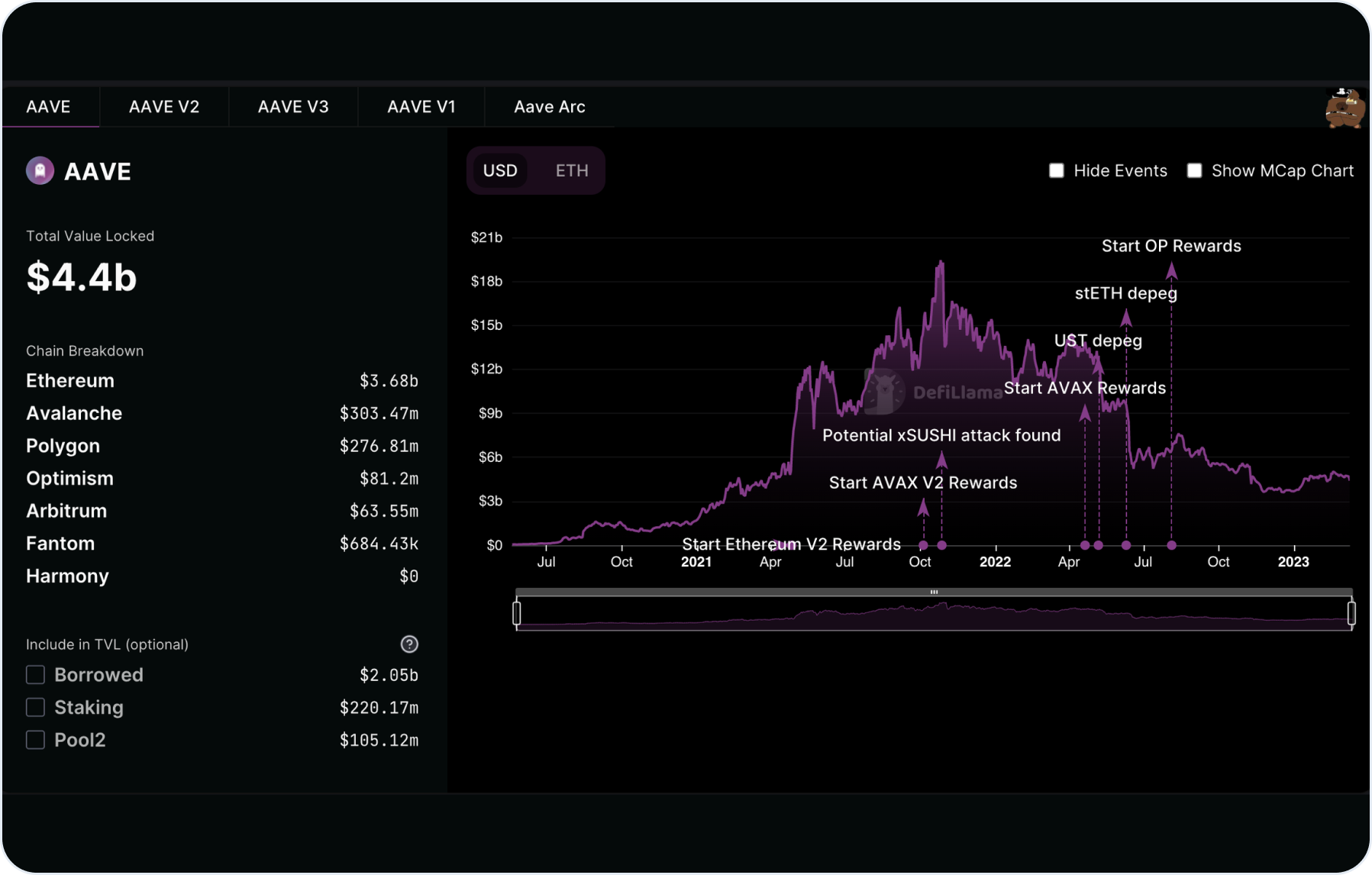
- Lending Protocols: Platforms like Aave or Compound use automated liquidation bots that act instantly when collateral values drop, no human intervention required.
- Liquidity Pools: Stablecoins serve as base pairs in AMMs like Uniswap; if one leg depegs, pool ratios skew rapidly and arbitrageurs drain value from unsuspecting LPs.
- Synthetic Assets and Derivatives: Many synthetic tokens are pegged or settled using popular stablecoins; any deviation undermines trust and can set off margin calls platform-wide.
This interconnectedness means that even a brief dip below $1 can send shockwaves through every corner of the ecosystem, a reality highlighted by recent data showing hundreds of cascading liquidation events tied directly to short-lived depegs.
Toward Smarter Protection: Essential Strategies for DeFi Users
The good news? There are actionable steps you can take right now to reduce your exposure to these risks:
- Use Depeg Insurance Products: Platforms like Etherisc and others now offer automated coverage for major stablecoins, such as USDC, that pay out if a depeg event occurs. This acts as a safety net for your DeFi positions and can help you recover some or all of your losses if a supported asset drops below its peg. For more on how these tools work and which protocols offer them, see this guide to hedging stablecoin depeg risks.
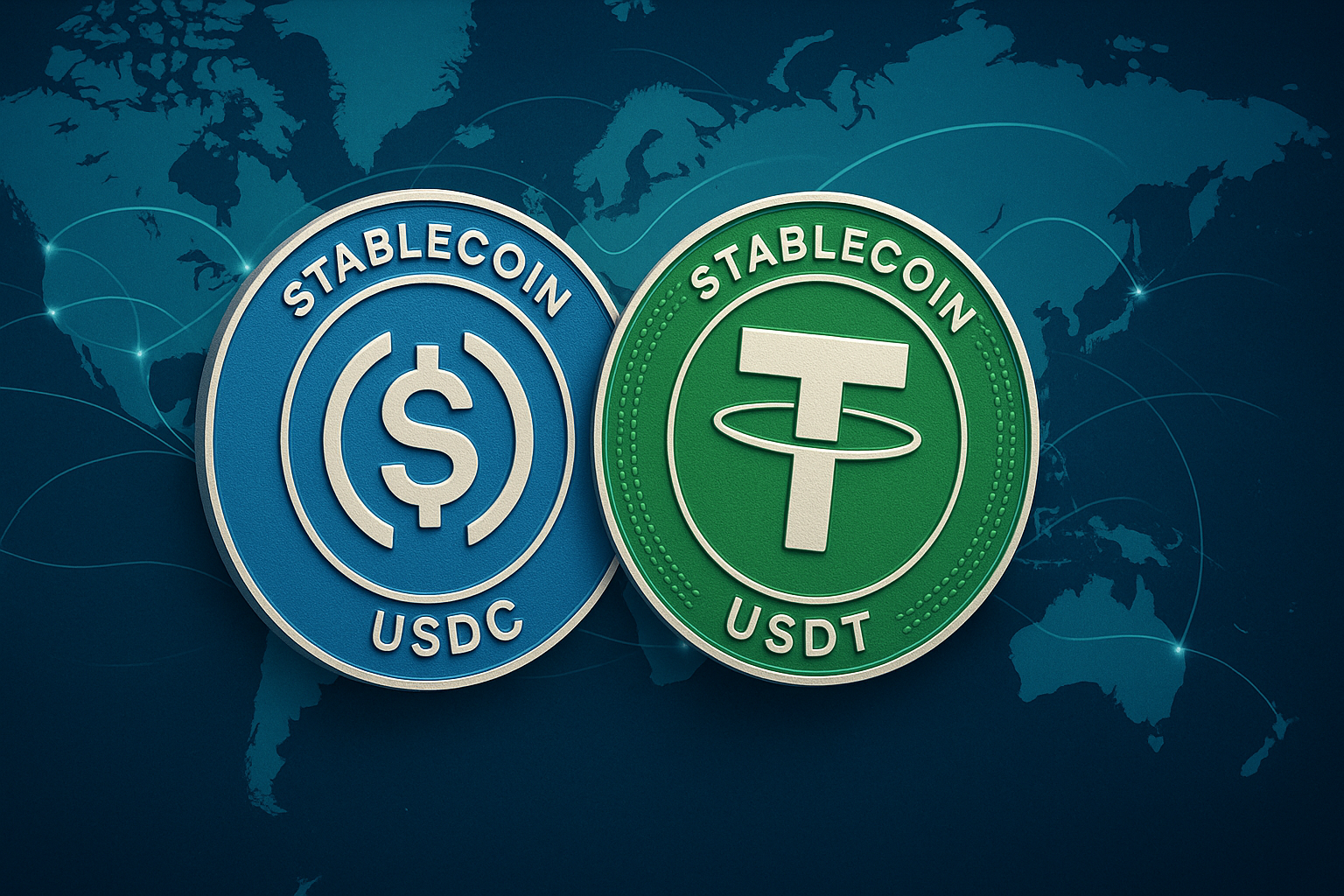
- Diversify Stablecoin Exposure: Don’t put all your eggs in one basket. By holding a blend of centralized (e. g. , USDC, USDT) and decentralized (e. g. , DAI) stablecoins, you lower the chance that a single failure will wipe out your portfolio.
- Monitor Collateral Ratios Actively: Stay above minimum collateralization thresholds, especially during periods of market stress. Consider setting up alerts or using automation tools to adjust your positions before liquidation risk spikes.
- Favor Protocols with Robust Oracle Systems: Choose lending and trading platforms that aggregate data from multiple sources and employ time-weighted averages to minimize manipulation risk during volatile periods.
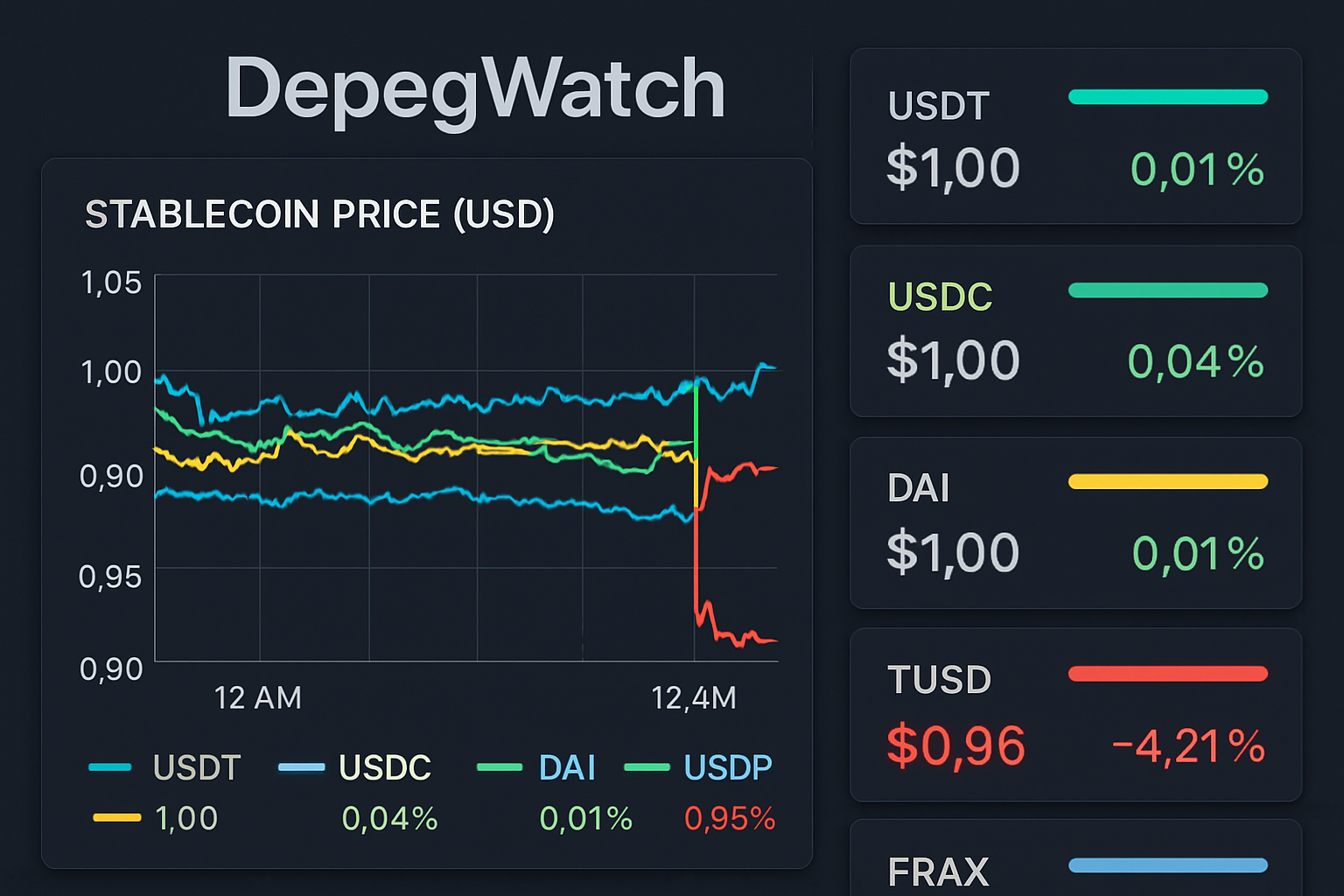
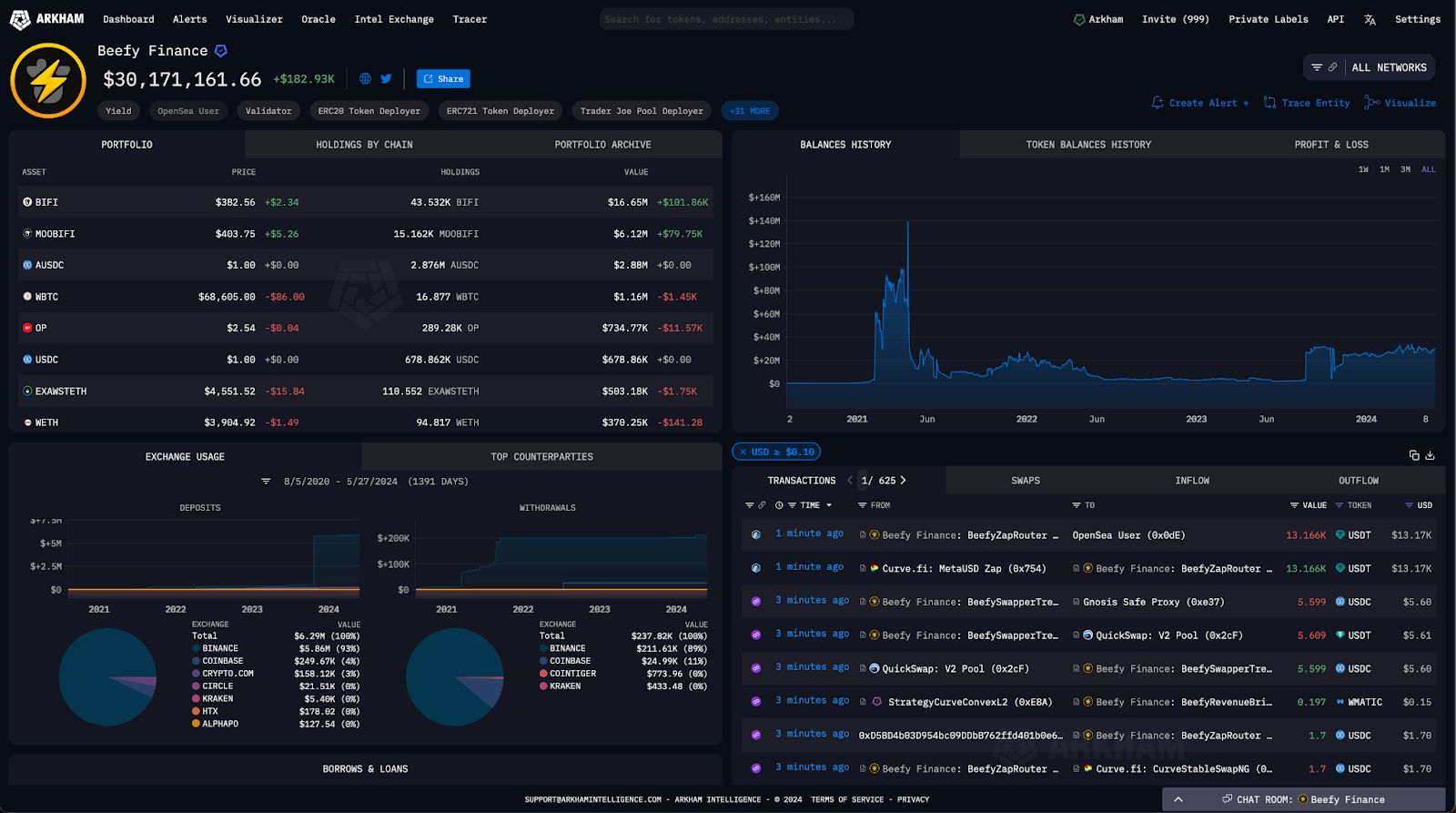
- Utilize Real-Time Analytics Tools: Leverage dashboards that track stablecoin health metrics, peg deviations, and protocol-wide liquidation events so you can respond quickly if trouble is brewing.
Actionable Strategies to Safeguard DeFi Assets from Stablecoin Depegs
- Diversify Across Multiple Stablecoins: Reduce risk by allocating funds among established stablecoins such as USDC, USDT, and decentralized options like DAI. This limits exposure to any single depeg event.
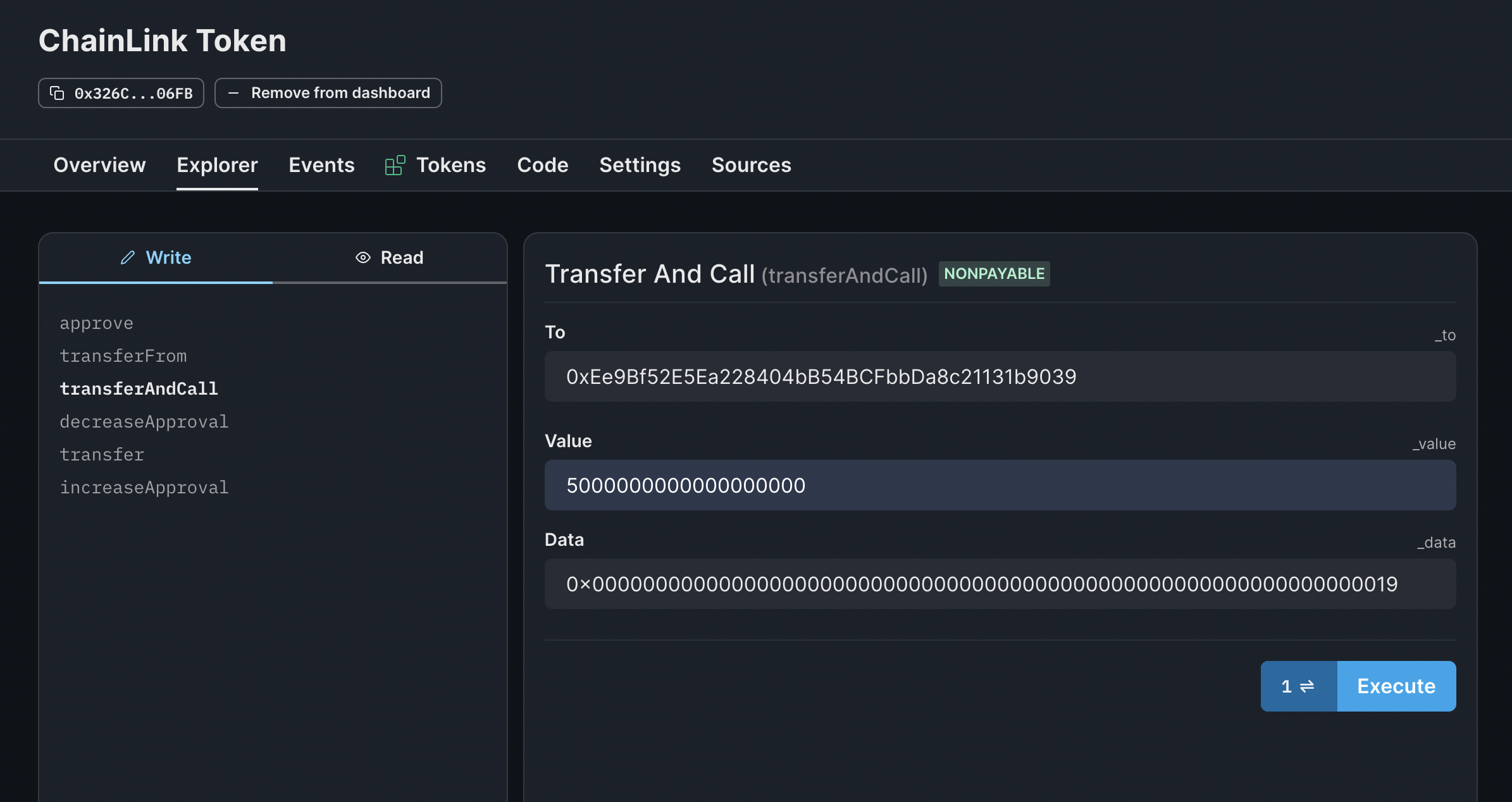
- Utilize Robust Oracle Solutions: Engage DeFi protocols that implement resilient oracles, such as Chainlink, which aggregate data from multiple sources to ensure accurate collateral valuations and reduce manipulation risks.
- Monitor Stablecoin Health in Real Time: Employ tools like DepegWatch and DefiLlama Stablecoins to track price, liquidity, and depeg alerts, enabling swift action when instability is detected.
What to Watch: Early Warning Signs of an Impending Depeg
If you’re active in DeFi, knowing the red flags can mean the difference between proactive defense and reactive loss. Key signals include:
- Sustained deviation of a stablecoin price below $1.00 on multiple exchanges
- Spike in redemption requests or on-chain burns for the affected token
- Negative news about issuer solvency or reserve audits
- Peg instability spreading across liquidity pools or AMMs
- Sudden changes in protocol collateral requirements referencing the at-risk stablecoin
The earlier you spot these signs, the more options you have, whether it’s rebalancing collateral, swapping into safer assets, or activating insurance coverage.
Building Resilience: The Future of Stablecoin Risk Management in DeFi
The wave of high-profile depegs in recent years has forced both users and developers to rethink assumptions about stability. Expect to see more protocols integrating native insurance modules, offering dynamic collateralization based on real-time volatility measures, and providing direct access to risk analytics within user dashboards. Regulatory scrutiny is also intensifying around reserve transparency, a trend likely to benefit those projects willing to prove their backing on-chain.
This new era of "protect first, grow second" will reward those who stay vigilant and invest in layered defenses, from smart contract audits through to tailored insurance products. The next time a stablecoin stumbles off its peg (and history suggests it will), the most resilient portfolios will be those built with redundancy and rapid response in mind.




No comments yet. Be the first to share your thoughts!